 Campaigns & Style
 In-Store Events
 Sweepstakes & Perks
Where GUESS Style Comes to Life
The lifestyle blog and event hub for GUESS and Marciano — featuring campaign launches, in-store celebrations, sweepstakes, and style editorials from the world of GUESS.
"Because some things never go out of style." — Celebrating the GUESS + Marciano Spring '18 Campaign
Caring for raw denim and preserving its character
Raw denim has a reputation for being mysterious: rigid at first, deeply coloured and able to record everyday wear. It is denim woven and finished without the wash that softens most jeans, so its fibres and indigo dye remain more responsive. Care is less about preserving a factory-perfect surface and more about managing the changes you want to see.
Before you start, separate the labels. Raw denim usually means unwashed, but it is not automatically selvedge; selvedge describes the loom’s finished self-edge. Some pairs are sanforized to limit shrinkage, while others are shrink-to-fit and will move when washed. Check the description and sewn-in label, because denim containing elastane needs a gentler approach than rigid, all-cotton denim.
For an Australian wardrobe, a good routine balances sun, humidity, salt air and practical laundry habits with the goal of wearing your jeans often. The aim is not to freeze denim in time. It is to clean it when needed, protect its strength and let wear develop in a way that feels personal.
Understanding raw denim before the first wash
Fresh raw denim can feel almost board-stiff because the cotton yarns retain their shape and the fabric may contain mill starch. Indigo sits on the surface as well as within the yarn, so friction lifts it gradually. Knees, seats, pockets and seams develop lighter areas before a full wash, and the pace depends on the weave, weight, dye and movement. Repeated bending creates whiskers across the thighs and honeycombs behind the knee, so two people can wear the same jeans and record different results.
For a fresh view of how jeans work with the rest of a modern wardrobe, everyday denim styling is a useful companion to the care decisions ahead. When deciding when to wash, balance gradual contrast with the need to remove sweat, oil and grime. Many raw-denim wearers leave a first pair unwashed for several months, while others clean it sooner for hygiene or comfort. There is no prize for neglecting a garment, so start with the least severe method that will do the job:
| Care choice | Best for | Main trade-off |
|---|---|---|
| Delay the first wash | Gradual fade development | Dirt and oil remain on fibres |
| Spot-clean between washes | Small marks and fresh wear | A full wash may still be needed |
| Hand-wash in cool water | Precise control | Less agitation but more time |
| Gentle machine wash | Regular hygiene | Some indigo movement; follow the label |
| Air-dry after washing | Protecting shape and fibres | Needs space and time |
If the jeans are only dusty, brush them off rather than washing the whole garment. If they carry an odour or noticeable mark, clean the affected area. A full wash is useful when the fabric needs a reset, not because a calendar says a new month has begun. Once you know the fabric’s behaviour, the rest of your routine becomes easier to judge.
Building a care routine that suits your life
Your routine should fit the way you dress. If you wear raw denim for travel, office days and long weekends, make an inspection habit: check the waistband, pockets and cuffs after a few hours, and deal with small marks before they set. Keep a soft toothbrush, clean cotton cloth and mild detergent nearby. These inexpensive tools are more useful than a shelf full of specialist products.
Always read the care label before the first wash. Fibre composition, shrinkage information and the recommended cycle can change the safest approach. A pair labelled cold wash, gentle cycle and line dry should not go through a hot tumble cycle. If a label is missing or unclear, ask the retailer for guidance and keep the receipt; Australian textile-labelling standards set requirements for fibre and care information on most clothing.
Before a new pair wears for a full day, try it at home and move through sitting, walking and bending. Notice where it pulls, where the hem rises and whether the waist feels secure. If the fit is close, consider a professional adjustment or a slightly larger size instead of relying on washing to alter it. This fitting session can prevent discomfort and unnecessary shrinkage.
Washing for colour, comfort and longevity
When a full wash is due, prepare the garment rather than tossing it in. Empty pockets, close fasteners, turn the jeans inside out and check for loose threads. Wash them separately from pale clothing for the first few cycles, since surface indigo can transfer. A mesh bag adds protection, but water temperature, detergent and spin cycle matter more.
Choose cold water and mild detergent without bleach, optical brighteners or fabric softener. Softener can coat cotton fibres and reduce the breathability that makes denim comfortable in warm weather. If you prefer a machine, use a front-loader on a gentle cycle; a top-loader with an agitator can twist heavy denim and abrade it. At an Australian neighbourhood laundromat, select the smallest drum, cold water and a short cycle, and avoid the commercial dryer.
Hand-washing gives you more control. Put the jeans in a clean basin, add cool water and a small amount of mild detergent, gently compress the fabric, then rinse without wringing. Do not soak them for hours or twist the waistband. Some washers add fragrance or sanitiser, which can affect dyed cotton. GUESS campaigns bring styling and photography together, and behind the scenes offers a closer look at how that visual language is created.
Drying and finishing without heat damage
Heat is denim’s fastest enemy. Tumble drying can shrink cotton, make a rigid waistband uncomfortable and encourage dye loss, so skip it whenever the label allows. After washing, press out excess water with a towel, reshape the waistband and legs, and hang or lay the jeans in a shaded, ventilated place. A clothesline works well in a breezy Australian yard, but avoid fierce afternoon sun.
Raw denim dries slowly in humid weather, especially in Sydney or Brisbane. Turn hanging jeans occasionally and avoid bunching the legs into a damp heap, which can leave creases and encourage mildew. In a small apartment, use a drying rack near an open window instead of a heated rack. If you must move them before they are dry, use a broad hanger to support the waistband and let the wet fabric settle naturally.
Steam is a gentle alternative to ironing when a crease appears. Hold a steamer a short distance from the denim, work from the inside and test an inconspicuous area first. If an iron is the only option, use low heat, press the fabric inside out and avoid rivets or metal hardware. Never use high heat to speed drying; patience preserves the yarn and keeps the fit predictable.
Protecting fibres and managing marks
Raw denim rewards regular inspection rather than constant laundering. Look at pocket corners, belt loops, fly stitching and the back of the knee, where abrasion starts. A small tear can be stitched before it travels, and a worn pocket lining can be replaced while the panel has strength. A capable local tailor or denim-repair service can extend a favourite pair’s life for less than replacement.
For oil or sunscreen, resist rubbing hard. Blot excess with a clean paper towel, then dab with a barely damp cloth and a drop of mild detergent from the underside. Rinse by patting with a second damp cloth and let the area dry. For salt, chlorine or red dust, use cool water and gentle pressure; hot water can set some marks or spread the indigo.
Colour transfer is normal on a new raw pair. It can happen when pale socks, a white shirt or canvas sneakers rub against the indigo surface. Lower the risk with darker layers underneath, separate washing when needed and a colour catcher in the load. If you enjoy mixing textures, the velvet styling guide offers ideas for balancing denim’s matte surface with richer fabric.
Denim across Australian conditions
Australian conditions change the care equation. Melbourne’s weather can move from a cold morning to a warm afternoon in one day, Sydney’s humidity can slow drying, and strong UV in Perth or Adelaide can fade a garment left outside. Inland dust, beach salt and sunscreen add local challenges. Adapt where you dry denim and inspect it, rather than leaving raw jeans unworn.
Rotate raw denim with lighter pieces when the forecast is hot, and let the pair rest between wears so moisture can leave the fibres. Cotton breathes, but a stiff waistband can rub in humid conditions; gentle movement and a well-chosen size help more than scrubbing. Carry a cloth for sweat and sand, then rinse salt-heavy jeans with fresh water when you return home.
The local market mixes global labels with Australian names such as Country Road, Adriano Goldsworthy and jeanswest, giving shoppers ways to compare fibre content, weight and repairability. Op-shops and community clothing swaps can offer well-broken-in denim, provided the previous wear pattern suits you. Under the Australian Consumer Law, goods must be of acceptable quality and not mislead you about their characteristics, while textile-labelling rules support clear fibre and care information. Keep the label, receipt and instructions together, and raise any mismatch with the retailer.
Making raw denim last
The best care decision lets you keep wearing the jeans. Buy the size you genuinely want, accept that rigid denim will soften through movement and washing, and repair small areas early. Choose a detergent you can use confidently, wash only when the garment needs it and dry it in shade. Store dry jeans folded or on a broad hanger in breathable cotton, away from damp cupboards and direct sun. These habits limit fibre stress and reduce unnecessary water and detergent use.
In a GUESS or Marciano wardrobe, treat raw denim as a partnership between you and the maker. The designer sets the silhouette, the mill establishes the weave and the first wear begins the conversation; every wash and repair adds another line. There is no perfect fade chart. Denim worn for errands, styled for an evening and kept for a special event records each use differently, and that variety is part of the appeal.
Make your next care decision count. Check the label of your favourite pair, choose one low-effort habit and wear it with confidence. Let the marks become yours, then keep the story going.

Campaigns
From the GUESS Summer 2017 campaign to the Jennifer Lopez x GUESS + Marciano Spring '18 collection, GUESS Journal showcased seasonal advertising and celebrity collaborations. Charlotte McKinney, a #GUESSGirl, shared her spring shopping list — every piece under $100 — as seen on E! News. The Marciano Pre-Fall 2017 collection brought runway-inspired trends to stores with a three-day fashion event.
In-Store Events
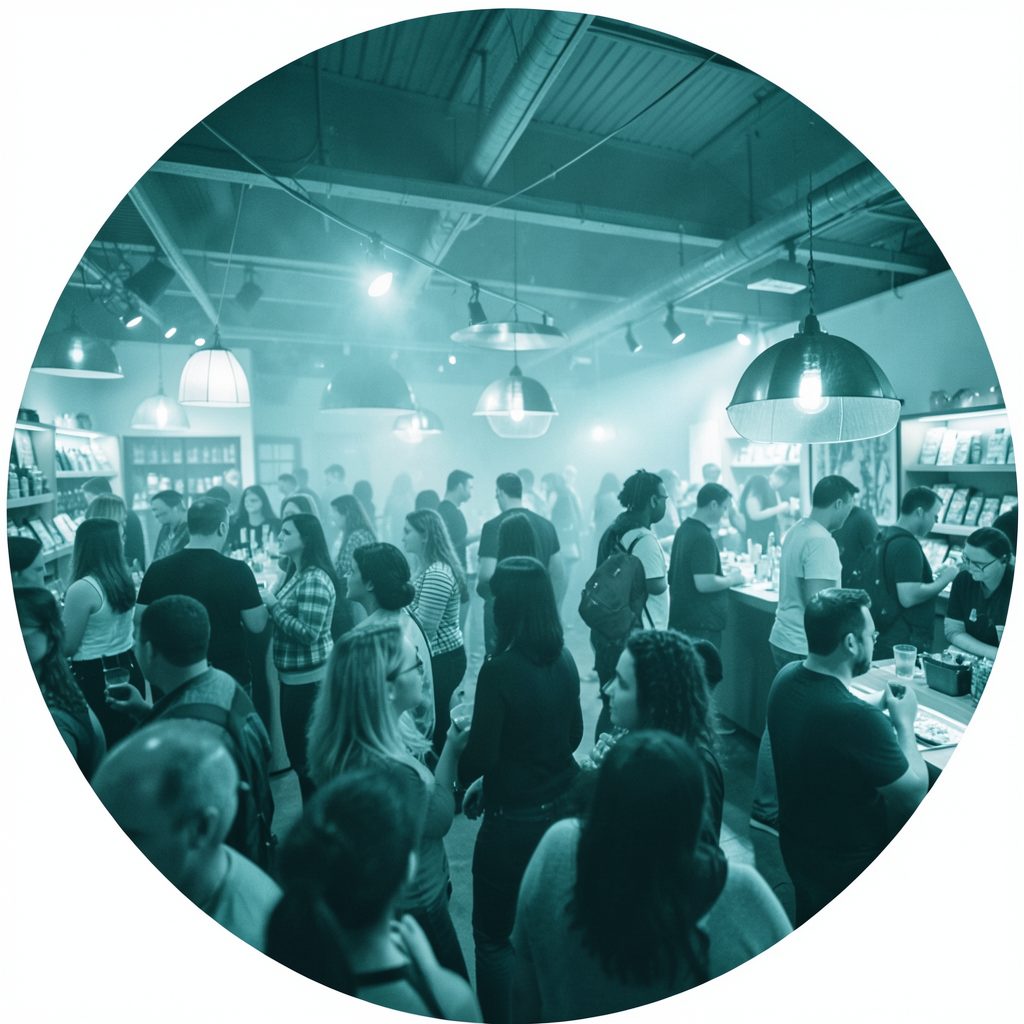
GUESS and Marciano stores hosted memorable events across the US and Canada. The Chasing the Sun Events on June 9, 2018 featured live DJs, in-store treats, and a Ping Pong Paddle Set for GUESS List members with a $125+ purchase. Marciano Summer Store Events offered VIP treatment, sweets by Sugarfina, sparkling sips, triple points, and a custom embroidered straw beach hat with a $200+ purchase.

#DenimDay Europe
GUESS?, Inc. joined Fundación Ana Bella and Peace Over Violence in Barcelona to kick off #DenimDay Europe. Paul Marciano, Co-founder and Creative Director of GUESS?, Inc., delivered a keynote speech. Elsa Pataky served as the official #DenimDay Spain Ambassador, with fashion blogger Honey Dressing also in attendance. DenimDay was observed on May 27, 2016 in Europe and April 27, 2016 in North America.
Get in Touch
Questions about past events, campaigns, or the GUESS Journal? Reach out and we'll get back to you.