 Campaigns & Style
 In-Store Events
 Sweepstakes & Perks
Where GUESS Style Comes to Life
The lifestyle blog and event hub for GUESS and Marciano — featuring campaign launches, in-store celebrations, sweepstakes, and style editorials from the world of GUESS.

"Because some things never go out of style." — Celebrating the GUESS + Marciano Spring '18 Campaign
The first GUESS store and the making of a fashion icon
In 1981, GUESS introduced a new point of view to American fashion. Founded by the Marciano brothers, the brand brought European-inspired design, California ease, and a sharper approach to denim into a retail scene ready for something different. The opening of its first store in Beverly Hills gave that vision a physical address and a direct connection with shoppers.
The store was more than a place to purchase jeans. It was an early expression of the GUESS world: youthful, confident, polished, and unmistakably connected to Los Angeles. From the beginning, the brand understood that a retail space could communicate a lifestyle as powerfully as a campaign image or a carefully styled collection.
Looking back at that first location helps explain why GUESS became known for memorable denim, distinctive advertising, and an ability to turn everyday clothing into a statement. The story begins with a store, but it quickly expands into a larger story about brand identity, cultural timing, and the experience of getting dressed.
A European vision arrives in California
The Marciano brothers brought a European sensibility to the United States after building experience in the fashion business. Their perspective was shaped by the clean lines, fitted silhouettes, and expressive styling associated with European clothing. In California, they saw an opportunity to reinterpret those ideas through the energy of American casualwear.
Denim became the ideal starting point. Jeans were already a familiar part of everyday dressing, but GUESS approached them with a more fashion-focused eye. The brand emphasized shape, wash, detail, and attitude, turning a practical garment into a centerpiece of personal style. That combination helped GUESS stand apart from labels that treated denim primarily as workwear or basics.
The first retail store gave this design philosophy room to breathe. Customers could see the clothing together, understand the proportions, and experience the difference between a standard pair of jeans and a deliberately styled GUESS look. Retail became part of the design language rather than a separate step after production.
The Beverly Hills beginning
Opening in Beverly Hills placed GUESS in a setting associated with luxury, entertainment, and international attention. It was a strategic environment for a young company with ambitions beyond regional recognition. The store could welcome local shoppers while also benefiting from the area’s visibility among visitors, stylists, and people connected to the entertainment industry.
Its location mattered because GUESS was selling a complete mood. The brand’s early appeal came from the contrast between relaxed California dressing and a more refined, body-conscious silhouette. Beverly Hills offered a natural stage for that blend. A shopper could enter looking for denim and leave with a clearer sense of the aspirational lifestyle the label represented.
The first store also established a relationship between GUESS and physical experience. Product, styling, atmosphere, and visual presentation worked together. That approach remains relevant to modern retail, where customers often discover a brand through the feeling of a space as much as through individual garments.
Why denim became the signature
Early GUESS jeans helped redefine what consumers expected from denim. The brand’s designs featured distinctive washes, fitted cuts, and details that made the garment immediately recognizable. Rather than allowing jeans to fade into the background, GUESS placed them at the center of an outfit and, eventually, at the center of its identity.
This strategy connected with the early 1980s appetite for fashion that felt expressive and visible. Clothing was becoming an important part of image-making, and denim could carry that message without losing its everyday appeal. GUESS gave shoppers a way to look casual while still appearing considered, current, and confident.
The idea of upgrading a familiar essential continues across fashion cycles. A well-made basic can define an entire wardrobe when its fit, fabrication, and styling are intentional. GUESS Journal explores that principle in its white tee guide, a useful reminder that the simplest pieces can have the strongest style impact.
From storefront to visual identity
The first store and the early campaigns supported each other. Retail introduced the garments in person, while photography and advertising gave the brand a broader, more cinematic presence. GUESS became associated with images that made fashion feel adventurous, romantic, and connected to a recognizable California fantasy.
That visual identity helped the brand move beyond product recognition. A customer did not simply identify a pair of jeans; they recognized a particular attitude. The styling, poses, locations, and emphasis on denim created a consistent universe that could be carried from a store window to a magazine page and then into a customer’s own wardrobe.
The relationship between fashion and imagery remains central to GUESS storytelling. Campaigns can establish a season’s tone, while stores translate that tone into touch, proportion, and movement. The first retail location was an early example of this integrated approach, showing that a brand’s personality must be experienced across multiple settings.
| Element | Role in the early GUESS story | Lasting influence |
|---|---|---|
| Beverly Hills store | Created a visible home for the new label | Retail became part of brand storytelling |
| European-inspired design | Added polish and structure to casual clothing | GUESS developed a distinctive fashion point of view |
| Signature denim | Turned jeans into a recognizable statement piece | Denim remains central to GUESS identity |
| Campaign imagery | Expanded the brand beyond the store | Visual storytelling continues across media |
| California setting | Connected fashion with optimism and lifestyle | The brand keeps its energetic West Coast spirit |
The store as a customer experience
In 1981, shopping was already social, but the role of a branded store was becoming more significant. Customers wanted discovery, guidance, and a sense of belonging alongside the transaction. GUESS responded with a space where clothing could be explored as a coordinated lifestyle rather than selected as isolated items.
That approach encouraged shoppers to imagine complete looks. Denim could be paired with a fitted top, a jacket, or accessories that reinforced the same point of view. The store helped communicate how the pieces were meant to be worn, while leaving enough room for individual interpretation.
This emphasis on experience can be seen in the way GUESS continues to connect fashion with events and community. Retail openings, seasonal activations, and in-store moments create opportunities for customers to engage with the brand in person. The original store set an important precedent: a GUESS location should feel like an invitation into the brand’s world.
How an early idea became a global language
The significance of the first GUESS store is clearest when viewed as the beginning of a scalable formula. The formula was not simply “sell denim in a stylish shop.” It involved a clear product signature, a compelling visual vocabulary, a strong sense of place, and a customer experience that made the brand memorable.
As GUESS expanded, those elements could travel. A store in another city could adapt to its surroundings while preserving the central codes of the label: confident silhouettes, expressive denim, polished casualwear, and a sense of movement. This balance between consistency and local presence helped the brand build recognition across markets.
The story also reflects a broader shift in fashion retail. Successful labels increasingly became destinations with their own tone and rituals. Their stores, advertisements, packaging, and events worked as connected parts of a single identity. GUESS was an early and influential participant in that movement.
Style lessons from the original GUESS spirit
The first store’s legacy offers several practical ideas for building a modern wardrobe. GUESS began with familiar pieces, then used design and styling to make them feel fresh. That remains a useful approach for anyone who wants clothing that is versatile without becoming anonymous.
- Start with denim that has a clear shape, flattering fit, and distinctive finish.
- Pair everyday essentials with one expressive detail, such as a bold jacket, hardware, or statement accessory.
- Build outfits around proportion, balancing fitted pieces with relaxed layers.
- Treat styling as part of the purchase, so each new item works with clothing already in the wardrobe.
- Choose pieces that express confidence while remaining comfortable enough for real life.
These principles connect the Beverly Hills beginning with the way people dress now. Fashion changes quickly, yet the desire for recognizable personal style remains constant. A strong retail concept can influence customers long after they leave the store because it gives them ideas they can reinterpret for themselves.
GUESS also understands that customer engagement extends beyond clothing. Digital stories, brand news, and community updates keep the conversation active between store visits. Readers can follow the latest GUESS social channels for fashion moments, campaigns, and experiences that continue the original spirit in contemporary formats.
The first GUESS retail store in 1981 stands as an important chapter in the brand’s history because it brought a bold idea into everyday view. It made denim feel directional, made retail feel cinematic, and showed how a store could express a complete lifestyle. The address was the starting point; the lasting achievement was the creation of a language customers could recognize and make their own.
That language continues through new collections, store experiences, and the stories shared by the GUESS community. Discover the latest brand moments, explore current fashion inspiration, and enter the weekend getaway wardrobe sweepstakes for another way to step into the GUESS world.
Campaigns
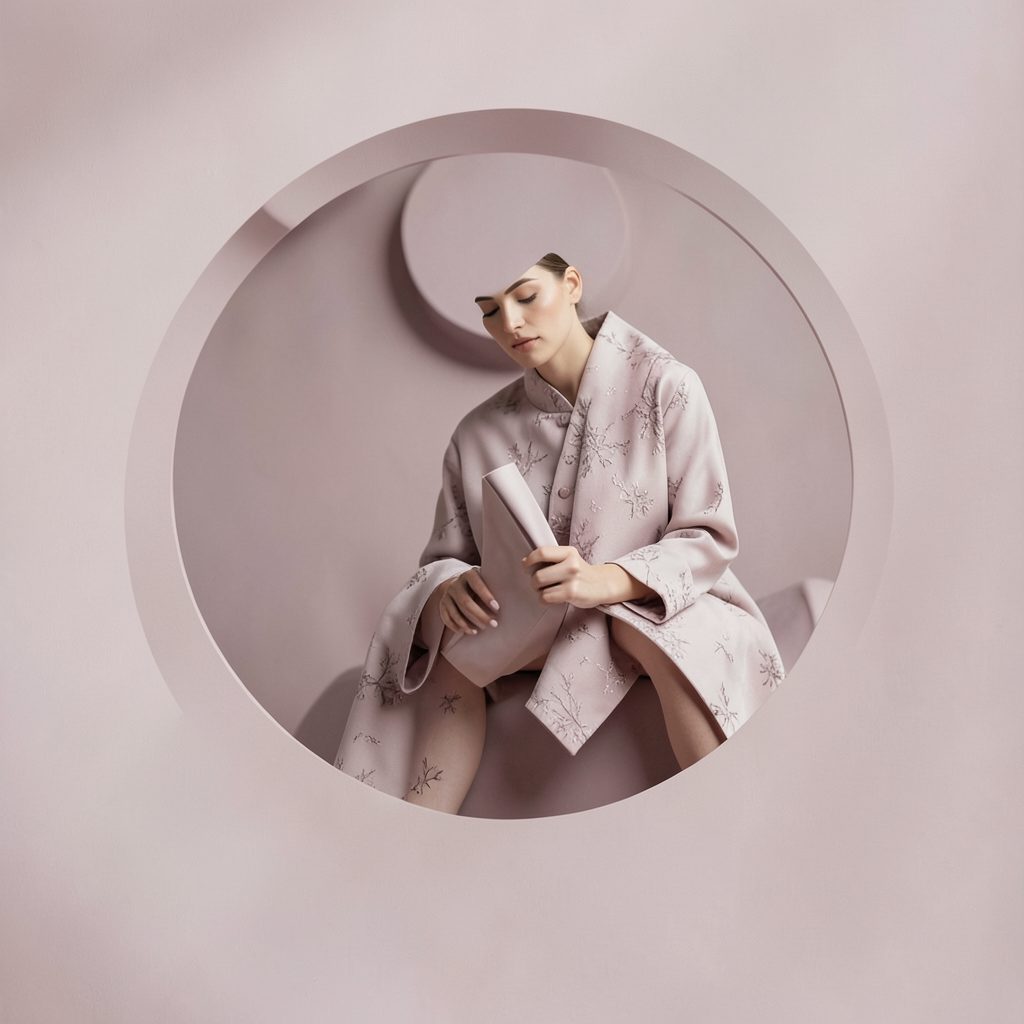
From the GUESS Summer 2017 campaign to the Jennifer Lopez x GUESS + Marciano Spring '18 collection, GUESS Journal showcased seasonal advertising and celebrity collaborations. Charlotte McKinney, a #GUESSGirl, shared her spring shopping list — every piece under $100 — as seen on E! News. The Marciano Pre-Fall 2017 collection brought runway-inspired trends to stores with a three-day fashion event.
In-Store Events
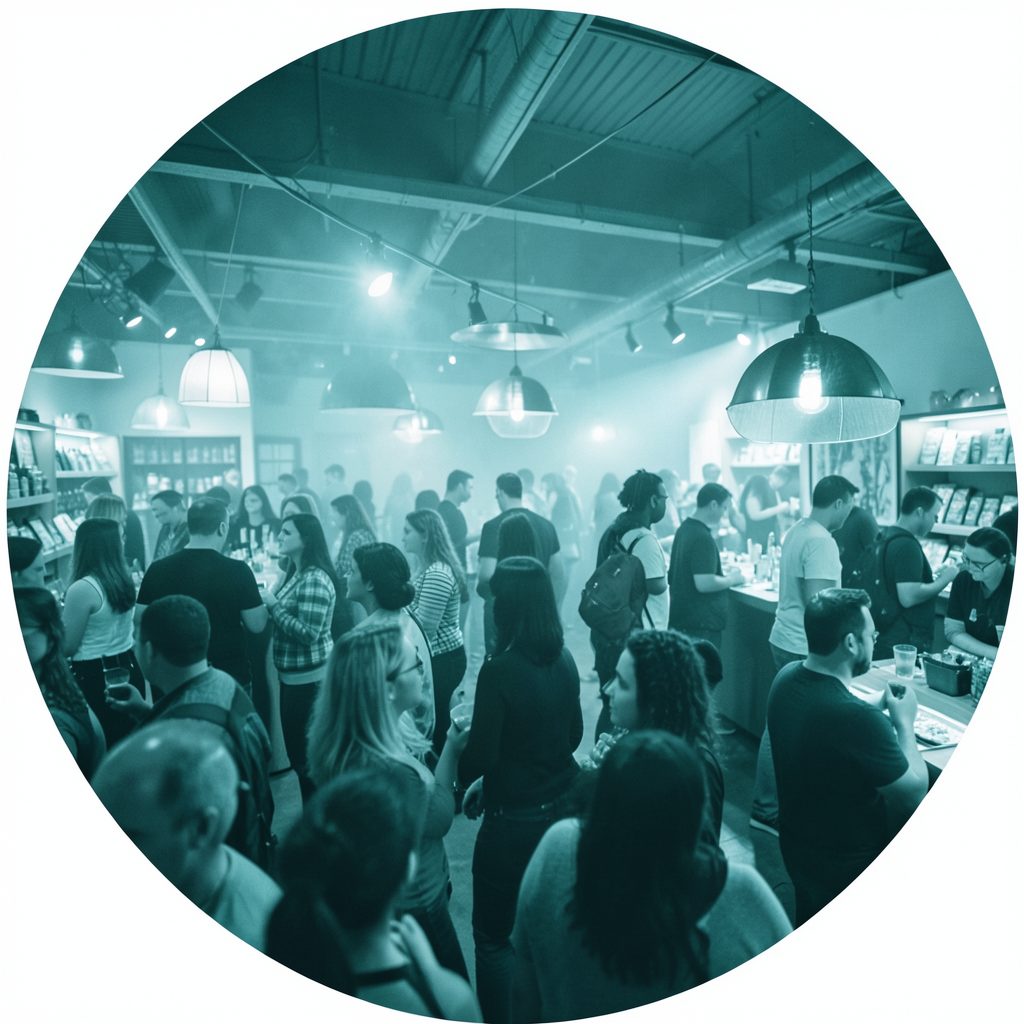
GUESS and Marciano stores hosted memorable events across the US and Canada. The Chasing the Sun Events on June 9, 2018 featured live DJs, in-store treats, and a Ping Pong Paddle Set for GUESS List members with a $125+ purchase. Marciano Summer Store Events offered VIP treatment, sweets by Sugarfina, sparkling sips, triple points, and a custom embroidered straw beach hat with a $200+ purchase.

#DenimDay Europe
GUESS?, Inc. joined Fundación Ana Bella and Peace Over Violence in Barcelona to kick off #DenimDay Europe. Paul Marciano, Co-founder and Creative Director of GUESS?, Inc., delivered a keynote speech. Elsa Pataky served as the official #DenimDay Spain Ambassador, with fashion blogger Honey Dressing also in attendance. DenimDay was observed on May 27, 2016 in Europe and April 27, 2016 in North America.
Get in Touch
Questions about past events, campaigns, or the GUESS Journal? Reach out and we'll get back to you.