 Campaigns & Style
 In-Store Events
 Sweepstakes & Perks
Where GUESS Style Comes to Life
The lifestyle blog and event hub for GUESS and Marciano — featuring campaign launches, in-store celebrations, sweepstakes, and style editorials from the world of GUESS.
"Because some things never go out of style." — Celebrating the GUESS + Marciano Spring '18 Campaign
From Runway Energy To Festival Culture
Music festivals have become powerful stages for fashion brands. They bring together live performance, street style, celebrity culture, photography, and highly engaged communities in a setting where clothing becomes part of the experience. For GUESS, that environment has offered a natural extension of the brand’s visual language: confident, youthful, glamorous, and designed to be seen.
The story of GUESS event sponsorship at music festivals is connected to a wider shift in brand marketing. Fashion companies moved beyond traditional advertisements and began creating physical spaces where guests could discover collections, meet friends, take photographs, and associate products with memorable performances. GUESS developed this approach through a blend of event partnerships, branded hospitality, artist relationships, and retail experiences.
Rather than treating a festival appearance as a single logo placement, the brand’s most effective activations have made fashion part of the atmosphere. Denim, statement accessories, seasonal collections, and distinctive styling have all helped connect the GUESS identity with the energy of live music.
The Brand’s Early Entertainment Connection
GUESS was founded in 1981, when its stonewashed denim quickly became associated with a provocative, cinematic approach to fashion advertising. The company’s early campaigns helped establish a world of sunlit landscapes, bold silhouettes, polished glamour, and youthful rebellion. That imagery shared a visual rhythm with music culture, where performers and audiences used clothing to communicate identity.
During the 1980s and 1990s, music videos, concert tours, and celebrity appearances became increasingly important to fashion marketing. A pair of jeans worn by a performer could reach audiences in a way that a conventional product photograph could not. GUESS benefited from this environment because its designs were instantly recognizable and visually strong under stage lights, in editorial photography, and on crowded city streets.
This foundation mattered when festivals began evolving from local gatherings into major cultural destinations. As attendance grew, brands saw that festival audiences were seeking a complete lifestyle experience. Fashion could appear through artist styling, hospitality areas, limited-edition products, and curated spaces that extended the personality of the event.
How Festival Sponsorship Became An Experience
Early event sponsorship often centered on visibility. A brand might place its name on signage, provide merchandise, or support a specific performance. As audiences became more selective, sponsorship developed into experiential marketing. Guests expected something they could participate in, photograph, and remember after the final set.
GUESS’s festival strategy fits this broader transformation. A branded space can function as a styling destination, social meeting point, photo backdrop, or product discovery area. These details turn a sponsorship into an interaction. Visitors do not simply see the brand; they encounter its colors, textures, campaign imagery, and approach to dressing in a setting associated with freedom and self-expression.
The strongest activations also understand the rhythm of a festival day. Guests may want a quick refresh between performances, a place to create content, or an opportunity to discover a new look before heading back into the crowd. Retail-inspired displays, customized details, and carefully designed hospitality can make the brand feel like a host rather than an advertiser.
Denim, Styling, And The Festival Wardrobe
Festival fashion has long embraced denim because it is durable, adaptable, and easy to personalize. GUESS brought added emphasis to the fabric through fitted jeans, denim jackets, mini skirts, corset-inspired pieces, and coordinated separates. These items could be styled for daytime heat, evening performances, or a more polished after-hours event.
The brand’s festival presence also reflects the way audiences mix references. A guest might pair vintage-inspired denim with metallic accessories, western boots, a graphic top, or a tailored jacket. GUESS collections have supported that kind of styling flexibility, allowing a recognizable brand signature to sit alongside individual creativity.
Accessories play an equally important role. Sunglasses, handbags, belts, watches, and jewelry can complete a festival look without requiring a full wardrobe change. They also translate well into event photography and social content, where a distinctive detail may communicate a complete mood in a single frame.
Festival dressing has become less about following a fixed uniform and more about building a personal visual story. That shift gives a heritage fashion brand room to reinterpret familiar codes for a new audience. Classic denim can be presented with sharper tailoring, stronger proportions, or a more elevated finish while retaining its connection to everyday style.
| Festival Element | Brand Role | Audience Experience |
|---|---|---|
| Denim and ready-to-wear | Establishes a recognizable fashion signature | Gives guests versatile pieces to style and wear |
| Accessories | Adds visual impact and shareable details | Helps complete or refresh a festival look |
| Branded spaces | Extends campaign imagery into a physical setting | Creates a destination for photos, discovery, and socializing |
| Artist and celebrity relationships | Connects collections with contemporary music culture | Builds relevance through trusted cultural figures |
| Retail and loyalty engagement | Links live events with ongoing brand interaction | Encourages guests to remain connected after the festival |
From Sponsorship To Branded Hospitality
As festival partnerships matured, hospitality became a central part of the format. Invited guests, creators, artists, and media could experience a more curated setting while remaining close to the event’s energy. For GUESS, this approach aligns with the brand’s history of combining fashion presentation with social occasion.
A hospitality area can communicate a collection through its environment. Furniture, lighting, refreshments, music programming, and staff styling all contribute to the impression. When these choices reflect a campaign’s visual world, the activation feels cohesive rather than temporary.
This model resembles the thinking behind a flagship store opening. A retail location is more than a place to purchase clothing; it can be a setting for discovery, community, and brand storytelling. Coverage of the VIP flagship preview illustrates how an exclusive event can introduce guests to a space through atmosphere, access, and personal experience.
Festival hospitality also creates room for storytelling that cannot fit into a standard advertisement. Guests may learn about a collection, see how pieces are styled, or encounter a campaign through a live installation. The result is a deeper connection between the product and the occasion surrounding it.
The Role Of Artists And Cultural Visibility
Music festival sponsorship works best when it respects the culture of music rather than using performance as a decorative background. Artist relationships, guest appearances, and creator participation can help a fashion brand enter the conversation authentically. They provide movement and personality, showing how clothes behave in the real world.
GUESS has historically used celebrity-led imagery to make its collections culturally recognizable. In a festival setting, that tradition can take the form of artist dressing, appearances, campaign participation, or shared content. The connection is especially effective when the talent’s own style complements the brand instead of feeling imposed on it.
The visual nature of festivals multiplies this effect. Performance photography, backstage moments, guest portraits, and social posts can circulate long after the event. A single look may appear in several contexts: under stage lights, in a hospitality lounge, on a city street, or in a fan’s personal post. Each setting adds another layer to the brand story.
This is also where Marciano can contribute a more refined dimension. Its tailoring, eveningwear, and elevated silhouettes speak to the transition from daytime festival activity to nightlife and formal events. Together, GUESS and Marciano can represent different expressions of the same occasion: casual confidence in the crowd and polished glamour after dark.
Digital Coverage And Community Participation
Festival sponsorship now continues across digital channels before, during, and after the event. Announcements build anticipation, live coverage gives audiences a sense of access, and post-event galleries preserve the atmosphere. This editorial layer allows a brand to reach people who are not physically present at the festival.
For a lifestyle publication, the goal is to provide more than a record of who attended. Strong coverage explains the setting, highlights styling details, identifies the mood of the activation, and shows how guests interacted with the experience. It turns event photography into a useful source of inspiration for readers planning their own wardrobes and occasions.
The official GUESS Journal brings these strands together through fashion stories, campaign news, retail announcements, event coverage, promotions, and brand experiences. Its role is particularly important because festival activity becomes part of a larger calendar rather than an isolated marketing moment.
Digital participation can also connect festival excitement with customer programs. A guest may discover a new collection at an activation, enter an official sweepstakes, follow a campaign, or join the GUESS List loyalty program. These touchpoints create a path from cultural experience to ongoing relationship without making the original event feel transactional.
What Makes A Festival Partnership Last
A successful sponsorship leaves a clear memory. That memory may come from a striking installation, an unexpected performance, a memorable guest look, or the feeling of being welcomed into a carefully designed environment. The most durable partnerships are consistent with the brand’s identity while still responding to the character of each festival.
Relevance is essential. A summer event in a desert setting calls for different materials, colors, and guest experiences than an urban music weekend or an evening concert series. The brand must adapt to the audience and location without losing its recognizable codes. This balance helps an activation feel specific rather than copied from one event to another.
The relationship between fashion and music is also becoming more participatory. Guests document their own outfits, share styling ideas, and influence what other attendees wear. A sponsorship can encourage this creativity through customizable details, editorial portrait stations, or spaces that reward personal interpretation.
Looking ahead, the history of GUESS festival sponsorship points toward increasingly integrated experiences. Retail, content, hospitality, celebrity culture, and community engagement can work together as one narrative. The central idea remains simple: fashion becomes most memorable when people can see it, wear it, and experience it in a place charged with emotion.
Festival partnerships have helped GUESS translate its campaign heritage into live culture. From denim-centered styling to curated hospitality and digital storytelling, the brand’s event presence reflects how fashion and music continue to shape one another. Explore the latest fashion stories, event announcements, and brand experiences through GUESS Journal, and follow the moments where the next chapter of the story comes to life.
Campaigns
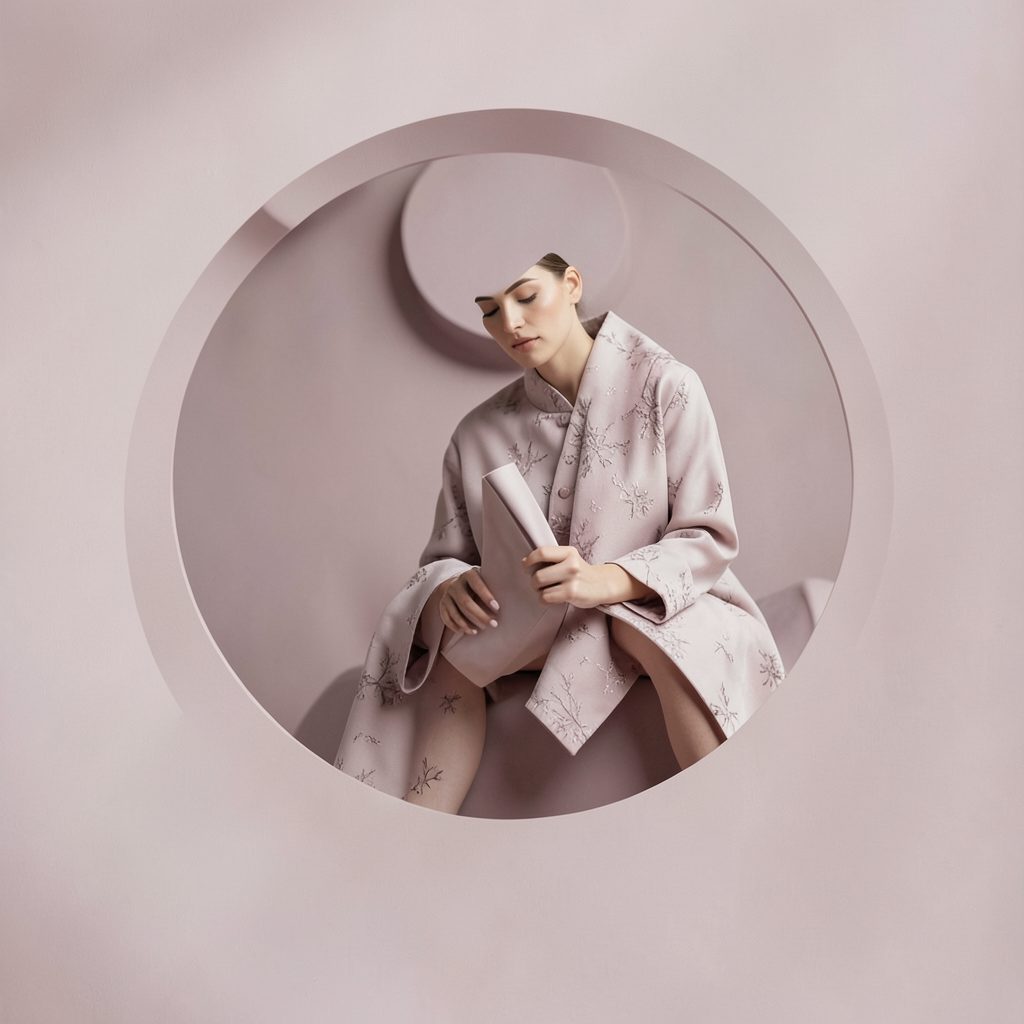
From the GUESS Summer 2017 campaign to the Jennifer Lopez x GUESS + Marciano Spring '18 collection, GUESS Journal showcased seasonal advertising and celebrity collaborations. Charlotte McKinney, a #GUESSGirl, shared her spring shopping list — every piece under $100 — as seen on E! News. The Marciano Pre-Fall 2017 collection brought runway-inspired trends to stores with a three-day fashion event.
In-Store Events
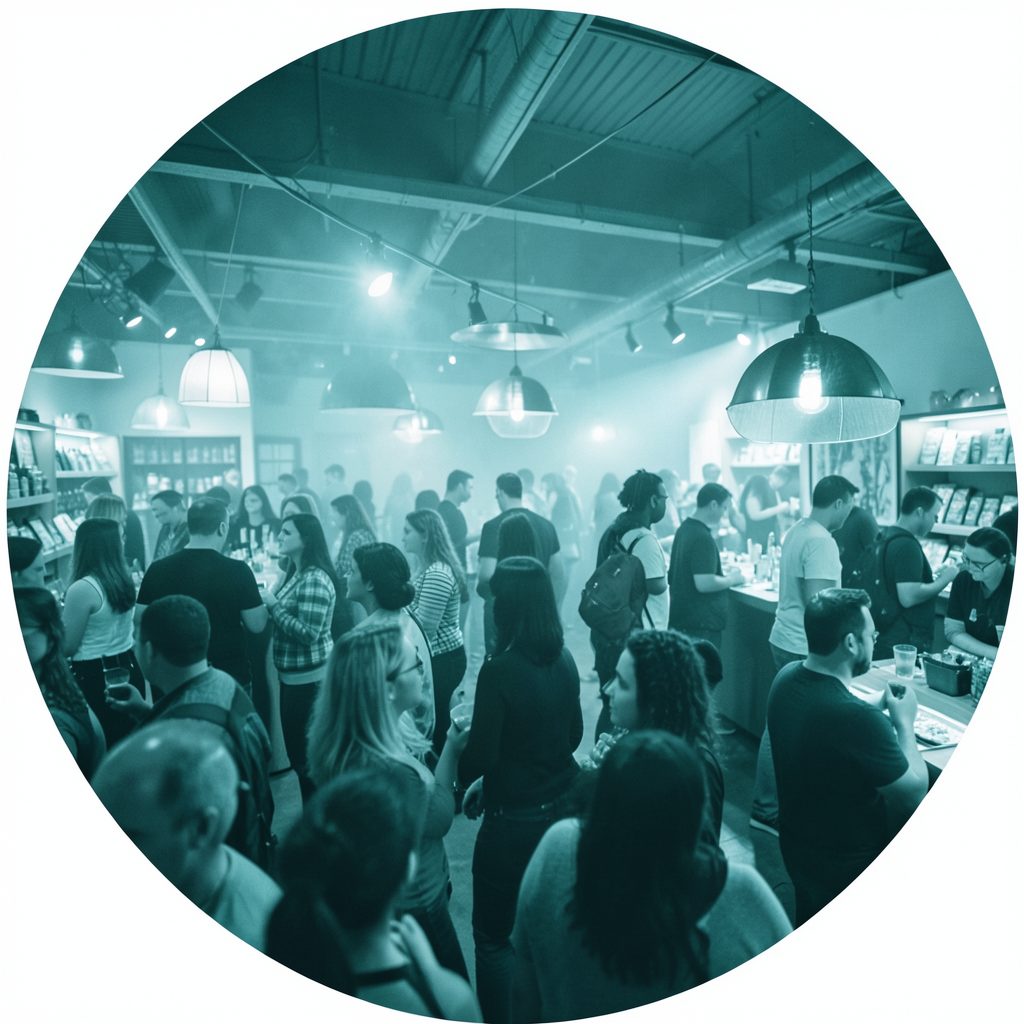
GUESS and Marciano stores hosted memorable events across the US and Canada. The Chasing the Sun Events on June 9, 2018 featured live DJs, in-store treats, and a Ping Pong Paddle Set for GUESS List members with a $125+ purchase. Marciano Summer Store Events offered VIP treatment, sweets by Sugarfina, sparkling sips, triple points, and a custom embroidered straw beach hat with a $200+ purchase.

#DenimDay Europe
GUESS?, Inc. joined Fundación Ana Bella and Peace Over Violence in Barcelona to kick off #DenimDay Europe. Paul Marciano, Co-founder and Creative Director of GUESS?, Inc., delivered a keynote speech. Elsa Pataky served as the official #DenimDay Spain Ambassador, with fashion blogger Honey Dressing also in attendance. DenimDay was observed on May 27, 2016 in Europe and April 27, 2016 in North America.
Get in Touch
Questions about past events, campaigns, or the GUESS Journal? Reach out and we'll get back to you.