 Campaigns & Style
 In-Store Events
 Sweepstakes & Perks
Where GUESS Style Comes to Life
The lifestyle blog and event hub for GUESS and Marciano — featuring campaign launches, in-store celebrations, sweepstakes, and style editorials from the world of GUESS.
"Because some things never go out of style." — Celebrating the GUESS + Marciano Spring '18 Campaign
How Holiday Windows Became a GUESS Signature
Holiday windows have long served as the first scene in a retail experience. Before shoppers enter a store, they encounter a carefully composed moment of color, light, texture, and attitude. For a fashion brand such as GUESS, that moment has the added responsibility of expressing a recognizable point of view while still capturing the warmth and anticipation associated with the season.
The evolution of the brand’s holiday window displays reflects a wider change in fashion retail. Early seasonal presentations often focused on merchandise arranged against decorative backdrops. Over time, storefronts became more immersive, more editorial, and more closely connected to campaigns, social content, and in-store events. The window stopped being a simple frame for products and became part of the brand story.
GUESS and Marciano bring a distinctive visual vocabulary to that story: denim, polished accessories, glamorous silhouettes, bold graphics, and a sense of confident California energy. Holiday dressing gives those signatures a festive setting, allowing the displays to shift from one season to the next while remaining immediately recognizable.
From product display to brand theater
The earliest holiday storefronts in fashion retail were often highly practical. Their purpose was to show shoppers what was available and to create a seasonal reason to visit. Mannequins wore occasion-ready looks, giftable accessories were positioned near eye level, and traditional holiday colors provided an instant signal that the shopping season had arrived.
As visual merchandising developed, the storefront became more expressive. Instead of presenting several separate outfits, designers began building a complete scene around them. A mannequin might appear within a glittering cityscape, a mirrored installation, or a highly stylized party setting. The products remained important, but the surrounding world gave them emotional context.
For GUESS, this shift suits the character of the brand. A pair of jeans can represent everyday confidence, yet a holiday window can place that denim beside metallic heels, statement jewelry, tailored outerwear, or a dramatic evening dress. The result is a display that communicates versatility: the same fashion identity can move from daytime gatherings to late-night celebrations.
The visual language of holiday glamour
Holiday windows often depend on contrast. Soft illumination can make crystal details feel warmer, while reflective surfaces amplify movement and create depth after sunset. Velvet, satin, faux fur, polished chrome, sequins, and glossy finishes can all suggest celebration without relying on a conventional red-and-green palette.
GUESS displays frequently benefit from a more fashion-led interpretation of the season. Black and white may provide the foundation, with silver, gold, icy blue, or rich jewel tones adding seasonal emphasis. This approach keeps the presentation connected to the brand’s established image instead of making the window feel like a generic holiday decoration.
Styling is equally important. A festive visual does not need every garment to sparkle. A structured blazer can balance a sequin skirt, while a classic denim jacket can make an embellished dress feel more approachable. Accessories provide another layer of storytelling, from handbags placed as focal points to sunglasses, belts, and jewelry that complete a recognizable GUESS look.
The strongest displays also understand proportion. A single dramatic silhouette may command attention from a distance, while smaller details reward people who stop to look closely. This rhythm turns the window into a visual composition rather than a crowded product arrangement.
When storefronts became shareable experiences
Digital culture changed the role of a retail window. A display is now viewed by pedestrians, photographed by shoppers, recorded in short videos, and shared across social platforms. That means designers must consider how a storefront appears from several distances and angles, including through a phone camera.
Lighting has become a particularly powerful tool. Layered illumination can create a clear focal point, emphasize a campaign image, or make a window appear different during the day and evening. Animated elements, illuminated logos, moving graphics, and digital screens may add energy, although technology works best when it supports the fashion instead of overwhelming it.
This development connects holiday merchandising with the broader world of brand experiences. A storefront can announce a seasonal launch, direct attention toward an in-store event, or create an image associated with a sweepstakes and other customer engagement activity. The physical window becomes one part of a larger campaign that may continue through email, social media, e-commerce, and the GUESS Journal editorial environment.
The shift also makes consistency more valuable. When the colors, typography, styling, and visual motifs of a window match a campaign, shoppers receive the same message across multiple touchpoints. That continuity helps a seasonal installation feel intentional, even when it appears in different stores or markets.
A changing balance between display and storytelling
| Era of holiday merchandising | Primary visual focus | Shopper experience | Role of technology |
|---|---|---|---|
| Early seasonal windows | Merchandise and traditional decorations | Quick product recognition | Limited or indirect |
| More editorial presentations | Coordinated looks and themed scenes | A stronger emotional connection | Studio lighting and refined staging |
| Campaign-led storefronts | Brand imagery, styling, and seasonal narratives | A direct extension of the fashion story | Photography, video, and graphic integration |
| Immersive retail moments | Layered environments and interactive details | Participation, discovery, and sharing | Digital screens, lighting effects, and social-friendly design |
| Current direction | Flexible storytelling across physical and digital spaces | A seamless brand experience | Connected content, adaptable visuals, and data-informed engagement |
This progression does not mean that one approach completely replaces another. Product visibility remains essential, especially during a busy shopping period. The difference is that merchandise now works within a stronger narrative. Shoppers can understand what is being sold while also sensing the mood, lifestyle, and confidence associated with the brand.
A well-designed holiday window therefore serves several purposes at once. It catches attention from the street, communicates seasonal relevance, supports commercial goals, and reinforces brand memory. The visual message may be absorbed in seconds, but its influence can last well beyond the initial glance.
Denim, occasionwear, and the art of contrast
GUESS has a particular opportunity during the holiday season because its product range can move naturally between casual and elevated dressing. Denim remains a core expression of personal style, while partywear, outerwear, shoes, and accessories introduce polish and drama. A window can bring those categories together without making them feel disconnected.
That balance matters because holiday shoppers rarely dress for a single type of occasion. They may need an outfit for a family gathering, a gift exchange, a company celebration, or a night out with friends. A storefront that combines familiar wardrobe staples with statement pieces helps shoppers imagine several possibilities rather than presenting one rigid definition of festive style.
The relationship between fit and fantasy is important as well. A glamorous display becomes more inviting when the clothing feels wearable. Shoppers looking for denim can explore the curvy-fit denim guide for ideas about choosing a flattering silhouette, then use the seasonal window as inspiration for styling that pair with heels, boots, a tailored jacket, or a sparkling top.
This is where visual merchandising can support confidence. A mannequin is not simply displaying a garment; it is demonstrating proportion, layering, and attitude. The best styling encourages shoppers to translate the look into their own wardrobe, whether they prefer a classic, glamorous, relaxed, or fashion-forward interpretation.
Windows that connect retail and community
Seasonal storefronts also create a sense of occasion around shopping itself. A striking window can draw people toward a store, where the experience continues through music, merchandising zones, special promotions, event announcements, and attentive service. The holiday display becomes an invitation to participate in the life of the brand.
This connection is especially relevant for GUESS Journal, which covers the space between fashion editorial and customer engagement. A window may appear as part of a larger retail moment involving a campaign, a store opening, a special appearance, or an opportunity connected to the GUESS List loyalty program. In that context, visual merchandising helps turn a product launch into a memory.
Promotional activity can also gain energy from strong seasonal presentation. A contest offering a year of favorite jeans becomes more memorable when the surrounding creative work gives the prize a clear lifestyle context. The window, the editorial announcement, and the in-store experience can all reinforce the excitement without relying on identical imagery.
The most effective retail storytelling leaves room for discovery. A shopper may first notice the lighting, then the styling, then a particular handbag or jacket. That layered sequence mirrors the way people encounter a fashion brand in real life: through an image, a feeling, a product, and eventually a personal connection.
Principles for memorable seasonal displays
Future holiday windows will likely continue blending physical craftsmanship with digital flexibility. Designers can refresh content more quickly, adapt messages for different locations, and create visual moments that work equally well in person and on a screen. Yet the fundamentals remain remarkably stable: strong styling, clear composition, useful product visibility, and an emotional point of view.
For GUESS and Marciano, the most compelling direction is one that protects the brand’s signature while allowing each season to feel new. The display should look current without chasing every trend, festive without becoming predictable, and aspirational without losing the sense that the clothes belong in real wardrobes.
A thoughtful approach can be guided by a few principles:
- Build the scene around a clear seasonal mood before adding decorative details.
- Use contrast between denim, occasionwear, accessories, and texture to create visual movement.
- Design key moments to read well from the sidewalk, inside the store, and through a smartphone camera.
- Keep the styling connected to current campaigns, promotions, and the wider GUESS brand experience.
- Give shoppers an idea they can take home, whether it is a new way to layer, accessorize, or dress up a familiar piece.
These principles explain why holiday windows remain relevant even as shopping becomes increasingly digital. Their purpose is not simply to decorate a storefront. They make fashion visible in a shared public space and give a brand an opportunity to express its personality with immediacy.
From merchandise-led displays to immersive, campaign-connected installations, the holiday window has become a living part of GUESS visual culture. Each season adds another interpretation of glamour, confidence, and celebration, while the recognizable foundations of the brand keep the story connected.
Explore the latest GUESS Journal stories for seasonal style inspiration, campaign updates, retail events, promotions, and opportunities to experience the brand beyond the storefront.
Campaigns
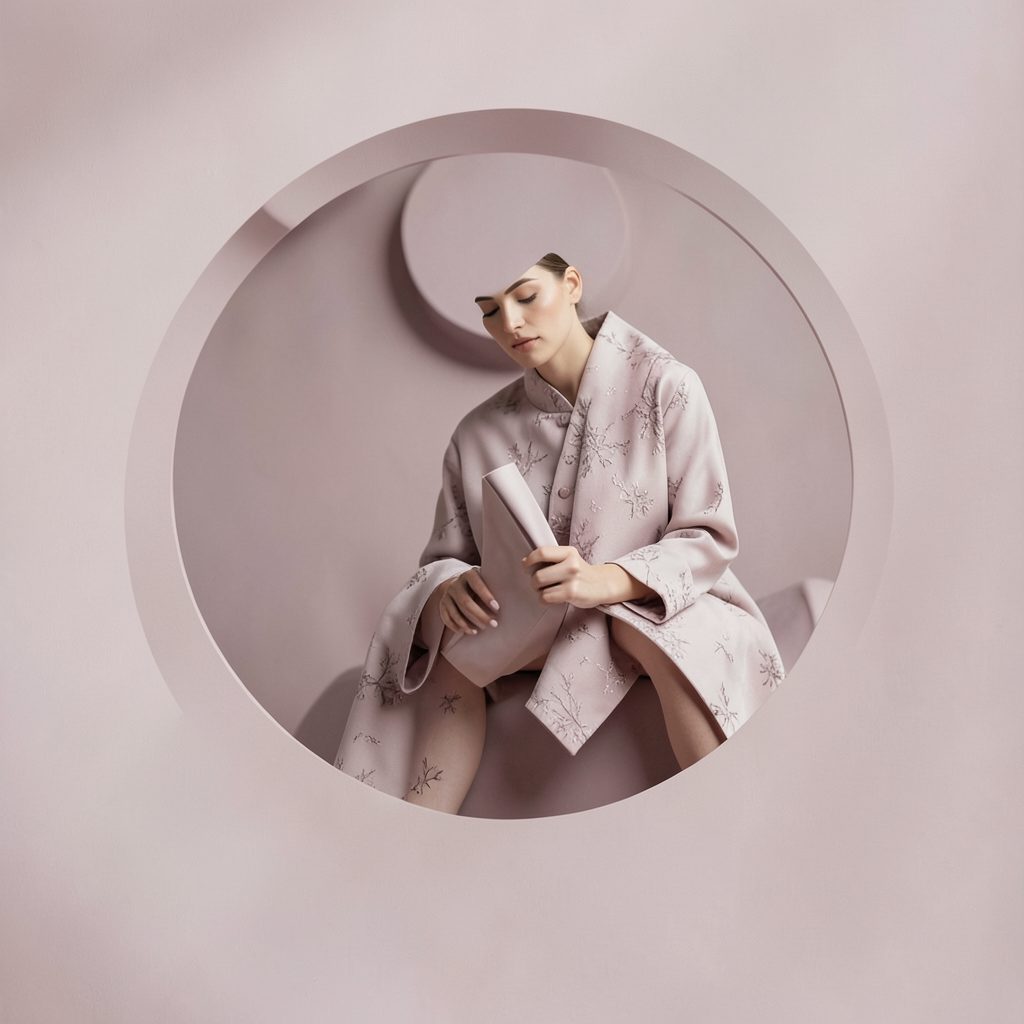
From the GUESS Summer 2017 campaign to the Jennifer Lopez x GUESS + Marciano Spring '18 collection, GUESS Journal showcased seasonal advertising and celebrity collaborations. Charlotte McKinney, a #GUESSGirl, shared her spring shopping list — every piece under $100 — as seen on E! News. The Marciano Pre-Fall 2017 collection brought runway-inspired trends to stores with a three-day fashion event.
In-Store Events
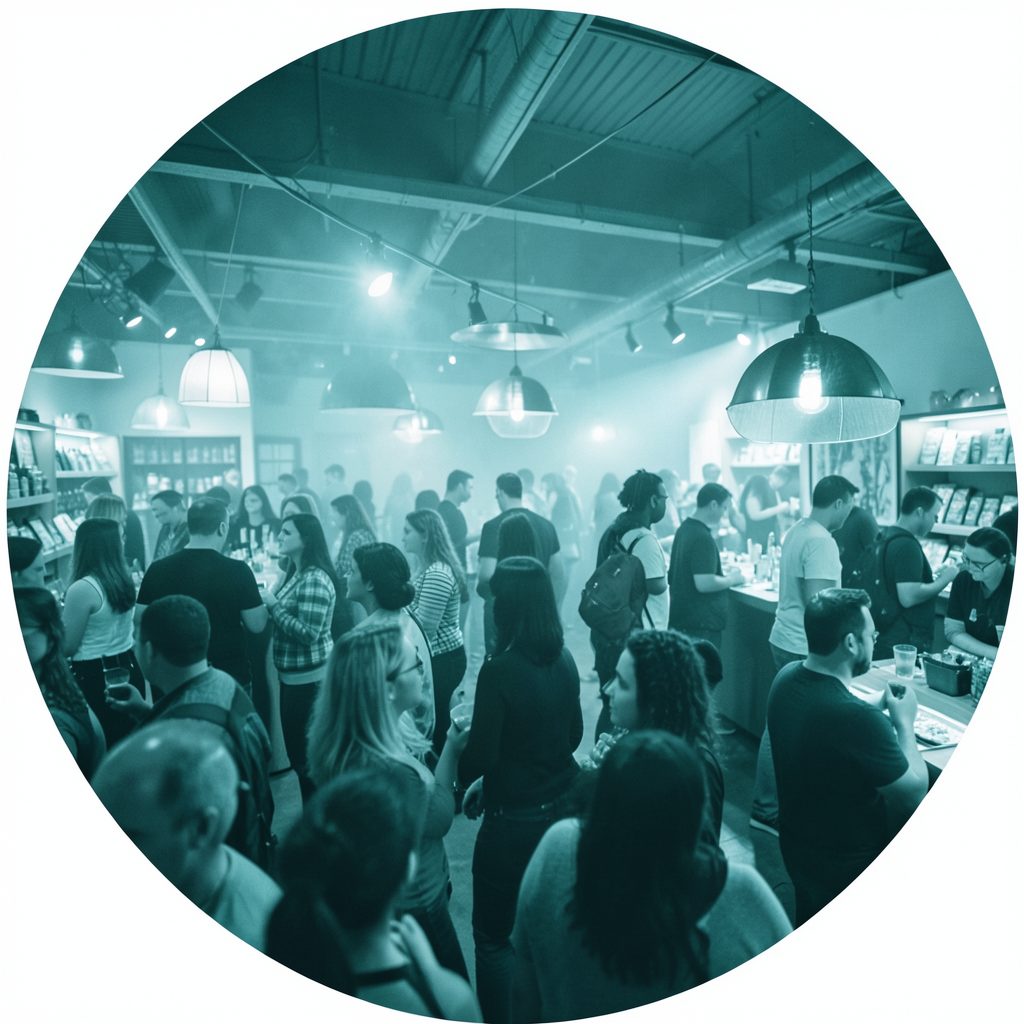
GUESS and Marciano stores hosted memorable events across the US and Canada. The Chasing the Sun Events on June 9, 2018 featured live DJs, in-store treats, and a Ping Pong Paddle Set for GUESS List members with a $125+ purchase. Marciano Summer Store Events offered VIP treatment, sweets by Sugarfina, sparkling sips, triple points, and a custom embroidered straw beach hat with a $200+ purchase.

#DenimDay Europe
GUESS?, Inc. joined Fundación Ana Bella and Peace Over Violence in Barcelona to kick off #DenimDay Europe. Paul Marciano, Co-founder and Creative Director of GUESS?, Inc., delivered a keynote speech. Elsa Pataky served as the official #DenimDay Spain Ambassador, with fashion blogger Honey Dressing also in attendance. DenimDay was observed on May 27, 2016 in Europe and April 27, 2016 in North America.
Get in Touch
Questions about past events, campaigns, or the GUESS Journal? Reach out and we'll get back to you.