 Campaigns & Style
 In-Store Events
 Sweepstakes & Perks
Where GUESS Style Comes to Life
The lifestyle blog and event hub for GUESS and Marciano — featuring campaign launches, in-store celebrations, sweepstakes, and style editorials from the world of GUESS.
"Because some things never go out of style." — Celebrating the GUESS + Marciano Spring '18 Campaign
The Evolution Of The Brand’s Sustainability Efforts
Fashion is shaped by change: shifting silhouettes, new materials, changing expectations, and a growing awareness of how products are made and enjoyed. For a global lifestyle brand such as GUESS, sustainability has become part of that wider conversation. The focus now extends beyond the look of a garment or accessory to include its materials, durability, production journey, packaging, and place in a customer’s wardrobe.
The evolution of the brand’s sustainability efforts reflects a broader movement across the fashion industry. Customers increasingly want style with greater transparency, considered consumption, and practical choices that can remain relevant beyond a single season. These expectations create an opportunity to connect design, retail, and responsible business practices in a way that feels authentic to the GUESS and Marciano identity.
Readers can follow the latest campaigns, events, and style stories through the GUESS Journal, where brand culture and customer experiences come together. Sustainability fits naturally into that editorial world because it influences how fashion is designed, presented, purchased, and worn.
From seasonal fashion to lasting value
Earlier fashion conversations often centered on seasonal novelty. Today, the definition of value is broader. A well-designed piece should bring visual impact while offering enough quality and versatility to earn repeated wear. This shift places durability, timeless appeal, and wardrobe flexibility alongside trend awareness.
For GUESS, that perspective is especially relevant across denim, ready-to-wear, footwear, handbags, and accessories. Signature details can give a product a distinctive identity, while practical styling potential helps it move between occasions. A denim jacket layered over dresses, a structured handbag used throughout the week, or a versatile pair of jeans worn across changing seasons can all support a more considered relationship with fashion.
Longevity also depends on care. Washing garments according to their care instructions, storing leather goods properly, protecting footwear from unnecessary moisture, and repairing minor damage early can help products maintain their appearance. These everyday habits extend the useful life of fashion and reduce the pressure to replace items prematurely.
Materials and design choices in focus
Material selection is one of the clearest ways sustainability enters the product conversation. Fibers, finishes, dyes, trims, packaging, and construction methods all affect a product’s environmental footprint. Responsible material strategies can include increased use of recycled inputs, lower-impact fibers, more efficient finishing processes, and careful sourcing standards.
The most meaningful progress is often gradual rather than dramatic. A product line may evolve through improved fiber blends, reduced material waste, lighter packaging, or construction that makes a garment easier to wear and maintain. Each decision can contribute to a larger framework for responsible fashion when it is applied consistently across categories and collections.
Accessories provide a useful example because design and function meet so visibly. The perfect summer bag can be evaluated through its shape and styling potential, yet its value also comes from how often it can be used, how well it fits into different outfits, and how carefully it is maintained. A durable, adaptable accessory has a longer style story than an item designed for a single moment.
| Area of progress | What it can mean for fashion | Customer benefit |
|---|---|---|
| Material sourcing | Greater attention to fibers, trims, and production inputs | More informed purchasing decisions |
| Product longevity | Construction and design intended for repeated wear | Better cost per wear |
| Packaging | Reduced or more efficient packaging materials | Less unnecessary waste |
| Care guidance | Clearer support for cleaning and storage | Products that stay in use longer |
| Retail engagement | Sustainability themes connected to brand experiences | A stronger understanding of the product journey |
Building a more responsible supply chain
A fashion product passes through many stages before reaching a store or customer. Fiber production, fabric development, cutting, sewing, finishing, transportation, warehousing, and retail presentation all form part of its supply chain. Sustainability efforts therefore require attention across the full product journey rather than at a single point.
Responsible sourcing includes expectations around environmental management, workplace conditions, operational standards, and supplier accountability. Clear standards can help brands work with manufacturing partners toward shared goals. Consistent monitoring and communication are essential because supply chains are complex, international, and influenced by changing technology and regulations.
Traceability is another important part of the conversation. When brands can better understand where materials originate and how products move through production, they are better positioned to identify risks and measure progress. For customers, greater visibility can make sustainability claims easier to interpret and connect with the actual product in their hands.
Progress in this area is rarely visible in a finished outfit. It may appear in supplier relationships, internal data systems, production planning, or improved forecasting that helps align inventory with demand. These behind-the-scenes practices matter because reducing excess production and improving efficiency can support both business resilience and environmental responsibility.
Retail spaces as part of the sustainability story
Stores are more than places where products are displayed. They are physical expressions of brand identity, from lighting and fixtures to packaging, customer service, and the way collections are edited. As retail continues to evolve, sustainability can become part of the experience through thoughtful operations and more intentional communication.
Flagship locations create a particularly strong setting for this conversation. The VIP flagship preview demonstrates how a store opening can bring together architecture, fashion, community, and brand storytelling. Future-facing retail can build on that energy by considering efficient lighting, durable fixtures, responsible materials, waste reduction, and operational choices that support a lower-impact customer journey.
Digital channels also extend the life of a retail experience. Editorial content, campaign coverage, styling guides, and event stories allow customers to explore products before and after visiting a store. This connection between physical and digital spaces can encourage more deliberate shopping by giving people useful context around fit, styling, care, and versatility.
The customer experience should remain engaging rather than instructional. Sustainability is most effective when it is integrated into the visual language of the brand, supported by clear information, and connected to real choices. A beautifully presented product can carry a stronger message when its design story includes how it was made and how it can remain useful.
Turning awareness into everyday action
Consumers do not need to overhaul their wardrobes to participate in more responsible fashion. Small decisions can have a meaningful cumulative effect. Buying with a clear purpose, selecting pieces that work with existing clothing, and giving priority to quality and versatility are practical ways to make fashion consumption more intentional.
Care is equally important. Denim may benefit from less frequent washing and careful air drying, while handbags and shoes can retain their shape through proper storage. Following garment labels helps preserve color, structure, and fabric performance. When a product reaches the end of its first styling cycle, restyling, gifting, resale, or responsible donation may keep it in use.
The GUESS List loyalty program and brand communications can also help create ongoing engagement around products and experiences. Customer relationships offer a channel for sharing care information, collection stories, store events, and relevant sustainability updates. Useful content gives shoppers the confidence to make decisions based on personal style and longer-term value.
Responsible consumption is not about removing pleasure from fashion. It is about making room for pleasure that lasts. A considered wardrobe can still be expressive, glamorous, and current while relying on pieces that are worn repeatedly and styled in several ways.
Priorities for the next chapter
The next stage of sustainability will depend on measurable progress and clear communication. Customers are becoming more attentive to the difference between broad environmental language and specific, verifiable information. Brands can build trust by explaining goals, reporting developments honestly, and acknowledging where work remains.
Innovation will continue to influence materials, manufacturing, logistics, and retail. Advances in recycled fibers, lower-impact dyes, digital product information, renewable energy, and demand forecasting may create new opportunities. Each solution must still be assessed for performance, durability, scalability, and its full life-cycle impact.
A balanced sustainability strategy can keep fashion’s creative spirit intact while addressing practical responsibilities. For GUESS and Marciano, the strongest path connects recognizable design with better-informed production, useful customer education, and retail experiences that reflect changing expectations.
Customers can support this direction through a few simple habits:
- Choose pieces that complement an existing wardrobe and can be styled across occasions.
- Read care labels and use storage methods suited to each garment, bag, or pair of shoes.
- Consider quality, versatility, and expected wear before making a purchase.
- Rewear, repair, resell, gift, or responsibly donate items when they no longer serve a current wardrobe.
- Follow official brand channels for product stories, events, promotions, and sustainability updates.
Sustainability in fashion is a continuing process rather than a single campaign or collection. Its success can be seen in the details: thoughtful materials, stronger supplier relationships, efficient operations, durable design, and customers who feel informed about the choices they make.
Explore the latest GUESS and Marciano stories through GUESS Journal, discover pieces that fit your personal style, and bring a longer view to every purchase, wear, and care decision. The future of fashion is shaped through these connected choices—one product, one wardrobe, and one brand experience at a time.

Campaigns
From the GUESS Summer 2017 campaign to the Jennifer Lopez x GUESS + Marciano Spring '18 collection, GUESS Journal showcased seasonal advertising and celebrity collaborations. Charlotte McKinney, a #GUESSGirl, shared her spring shopping list — every piece under $100 — as seen on E! News. The Marciano Pre-Fall 2017 collection brought runway-inspired trends to stores with a three-day fashion event.
In-Store Events
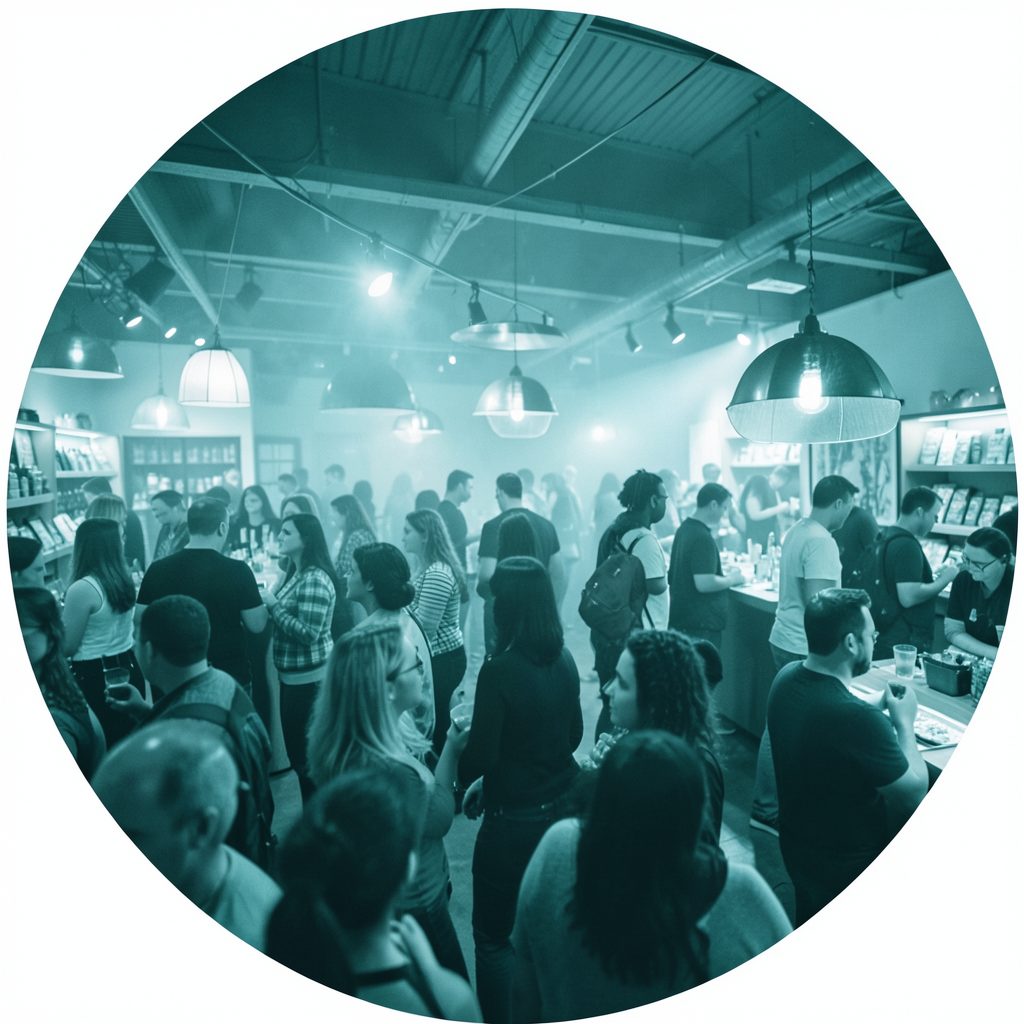
GUESS and Marciano stores hosted memorable events across the US and Canada. The Chasing the Sun Events on June 9, 2018 featured live DJs, in-store treats, and a Ping Pong Paddle Set for GUESS List members with a $125+ purchase. Marciano Summer Store Events offered VIP treatment, sweets by Sugarfina, sparkling sips, triple points, and a custom embroidered straw beach hat with a $200+ purchase.

#DenimDay Europe
GUESS?, Inc. joined Fundación Ana Bella and Peace Over Violence in Barcelona to kick off #DenimDay Europe. Paul Marciano, Co-founder and Creative Director of GUESS?, Inc., delivered a keynote speech. Elsa Pataky served as the official #DenimDay Spain Ambassador, with fashion blogger Honey Dressing also in attendance. DenimDay was observed on May 27, 2016 in Europe and April 27, 2016 in North America.
Get in Touch
Questions about past events, campaigns, or the GUESS Journal? Reach out and we'll get back to you.