 Campaigns & Style
 In-Store Events
 Sweepstakes & Perks
Where GUESS Style Comes to Life
The lifestyle blog and event hub for GUESS and Marciano — featuring campaign launches, in-store celebrations, sweepstakes, and style editorials from the world of GUESS.
"Because some things never go out of style." — Celebrating the GUESS + Marciano Spring '18 Campaign
Make Your Denim Jacket Unmistakably Yours
A denim jacket can become far more personal with a few thoughtful changes. The right patch, stitch, painted detail or subtle alteration can turn a familiar wardrobe staple into a piece that reflects your music, travels, favourite places and everyday style. Customising at home also gives you control over the finish, from barely-there character to a bold statement designed for weekend plans.
Australian wardrobes are especially well suited to this project. A denim layer works across cool Melbourne mornings, breezy Sydney evenings and mild Brisbane winters, while a customised design can move easily from an op-shop-inspired casual look to a polished streetwear outfit. With a few basic supplies and some patience, you can create a jacket that feels individual without losing the quality and versatility that made you choose it.
Start With The Right Denim Base
Begin by choosing a jacket with a sturdy cotton denim weave, secure seams and enough room for the additions you have in mind. A classic blue trucker jacket is the easiest canvas because contrast stitching, patches and coloured thread stand out clearly. Black, ecru and acid-wash denim can work beautifully too, although the colour of your artwork will appear differently on each surface.
Check the fit before reaching for scissors or a paintbrush. If you plan to wear a hoodie underneath, try the jacket over one and leave enough ease across the shoulders. Cropped silhouettes suit high-waisted jeans and dresses, while an oversized shape creates a relaxed look with track pants or wide-leg trousers. For inspiration, browse the new capsule collection to see how coordinated details can give a casual wardrobe piece a stronger visual identity.
Wash and dry the jacket according to its care label before customising it. This removes any finishing residue and ensures the denim has already reached its normal shape. Place a piece of cardboard inside the body while working, and protect your table with old newspaper or a washable cloth. Photograph the jacket from the front and back so you can sketch ideas over the images before making permanent changes.
Create A Worn-In Finish Carefully
Distressing is one of the simplest ways to give denim a lived-in feel. Concentrate on areas that naturally experience friction, such as the elbows, pocket edges, cuffs and collar. Use fine-grit sandpaper for a soft fade, a pumice stone for broader wear and a small pair of fabric scissors for controlled cuts. Work gradually; you can always remove more fibre, but you cannot easily restore it.
For authentic-looking knee-style rips on a jacket, make short horizontal cuts rather than one large opening. Slide cardboard behind the fabric and tease out a few vertical threads with tweezers. Leave the surrounding denim intact so the design looks intentional and the garment retains its structure. Avoid weakening shoulder seams, armholes and pocket openings, where excess cutting can cause rapid damage.
Australian conditions make fabric care especially important. Strong sun in Perth and northern parts of the country can fade untreated denim quickly, while humidity in Brisbane and Darwin may encourage mildew if a damp jacket is stored away. Let the garment dry completely after washing, and avoid placing a newly distressed jacket on a hot balcony or in direct midday sun while paint, glue or dye is setting.
Add Patches, Badges And Embroidery
Iron-on patches offer instant impact, but they need a careful application to remain secure. Arrange each piece on the jacket first, taking a photo when the layout feels balanced. A large patch can anchor the back panel, while smaller badges work on the chest, sleeve or pocket flap. Use a pressing cloth between the iron and the patch, follow the manufacturer’s heat instructions and press rather than drag the iron.
For extra durability, sew around the edge with a running stitch, blanket stitch or a simple zigzag on a sewing machine. This is particularly useful for jackets that will be worn frequently at gigs, markets or outdoor events. Black thread gives a clean graphic outline; red, white or metallic thread makes the stitching part of the decoration. If you are new to hand sewing, practise on a denim offcut first.
Embroidery can be as minimal as a small initial or as expressive as a floral spray, star map or hand-drawn motif. Transfer a design with washable fabric pen, use a hoop to keep the area taut and start with uncomplicated stitches such as backstitch, satin stitch and French knots. A Sydney skyline, native gum leaves or a tiny Southern Cross can bring a distinctly Australian accent without overwhelming the jacket.
Experiment With Paint And Fabric Colour
Fabric paint is ideal for lettering, abstract shapes and illustrated panels. Choose paint made for textiles rather than ordinary acrylic, and test it on an inside hem before beginning. Place cardboard behind the working area, apply several thin coats and allow each layer to dry. Thick paint can crack when the denim bends, whereas light layers maintain a softer hand feel.
Stencils help create crisp symbols, checkerboards and repeated motifs. Secure the stencil with low-tack tape, dab paint with a nearly dry sponge and lift it vertically to prevent smudging. For a hand-painted effect, use a fine brush and keep the composition slightly imperfect. A small graphic on the chest or cuff often looks more considered than filling every available space.
Fabric dye can refresh a faded jacket or create an entirely new mood, but it requires more preparation. Read the dye instructions carefully, protect your hands and use a stainless-steel or disposable container that will not be needed for food. Darkening blue denim tends to be more predictable than lightening it at home. If you want a pale, sun-washed effect, use a commercial colour remover and work in a well-ventilated space rather than relying on harsh household bleach.
A custom jacket can echo the visual language of a collection without copying a specific garment. Look at the story behind the limited for a reminder that distinctive pieces often gain their character through considered details, scarcity and storytelling. Use that principle at home: choose one central idea and repeat its colours or symbols in small accents.
Change The Shape And Hardware
Small structural edits can make a jacket feel newly designed. Removing the collar creates a cleaner neckline, while trimming the hem can produce a cropped proportion. Mark the intended line with tailor’s chalk, try the jacket on, then cut conservatively. Finish a raw edge with a narrow turn-and-stitch hem, bias binding or a deliberate fray. Measure both sides before cutting to avoid an uneven front.
Replacing buttons is another approachable update. Metal shank buttons, engraved denim buttons and contrasting snaps can shift the mood from vintage to contemporary. Measure the original button diameter and check that the new fastening fits through the existing buttonhole. If you are adding pockets, studs or chains, reinforce the denim with a small patch on the inside so the weight does not pull at the outer fabric.
Think about how the finished jacket will function in real life. A heavy embellishment on the back may catch on car seats, while sharp studs can be uncomfortable on public transport or when worn over delicate clothing. For an Australian festival, choose secure stitching and low-profile details that can withstand movement, heat and the occasional sudden shower. A jacket intended for Melbourne’s layered street style may handle more hardware than one designed for warm coastal evenings.
Style, Wash And Compare Your Options
Once the custom work is complete, leave the jacket for at least 24 hours before wearing it. This gives paint, adhesive and dye time to cure. Turn the jacket inside out for its first wash, use cold water and a gentle cycle, then air-dry it away from harsh direct sunlight. Avoid frequent washing; spot-clean marks with a damp cloth and mild detergent whenever possible.
A customised denim jacket can become the focal point of an outfit, so balance it with simpler pieces. Wear a graphic back with a plain white tee, or pair a heavily patched jacket with a clean slip dress and sneakers. For a more refined approach, keep the front understated and place the creative detail on the back. The styling ideas in how to style a cropped can help you consider proportion when working with a shortened or fitted shape.
| Customisation | Skill level | Time required | Best for | Main care point |
|---|---|---|---|---|
| Iron-on patches | Easy | 30–60 minutes | Quick graphic updates | Press again or sew edges if lifting occurs |
| Hand embroidery | Intermediate | 2–6 hours | Personal motifs and initials | Wash inside out on a gentle cycle |
| Fabric paint | Easy to intermediate | 1–3 hours plus drying | Artwork, lettering and symbols | Use thin layers and cure fully |
| Light distressing | Easy | 30–90 minutes | A worn-in vintage finish | Work slowly around seams |
| Dyeing | Intermediate | 2–4 hours | Strong colour changes | Rinse thoroughly and wash separately |
| Hardware changes | Intermediate | 1–3 hours | A sharper, more directional look | Reinforce the inside of the denim |
Keep a record of the materials used, especially paint colours, dye brands and button sizes. If one patch comes loose or a painted section needs touching up, you will know how to recreate the original finish. Store the jacket on a broad hanger rather than folding it under heavy clothes, and keep embellished areas from rubbing against rough storage surfaces.
Choose one customisation this weekend and begin with a jacket you already enjoy wearing. Set up a small workspace, test your technique on scrap denim and let the finished piece develop at its own pace. Share the result through your personal style story, wear it to your next local event and make your everyday denim a more expressive part of your wardrobe.
Campaigns
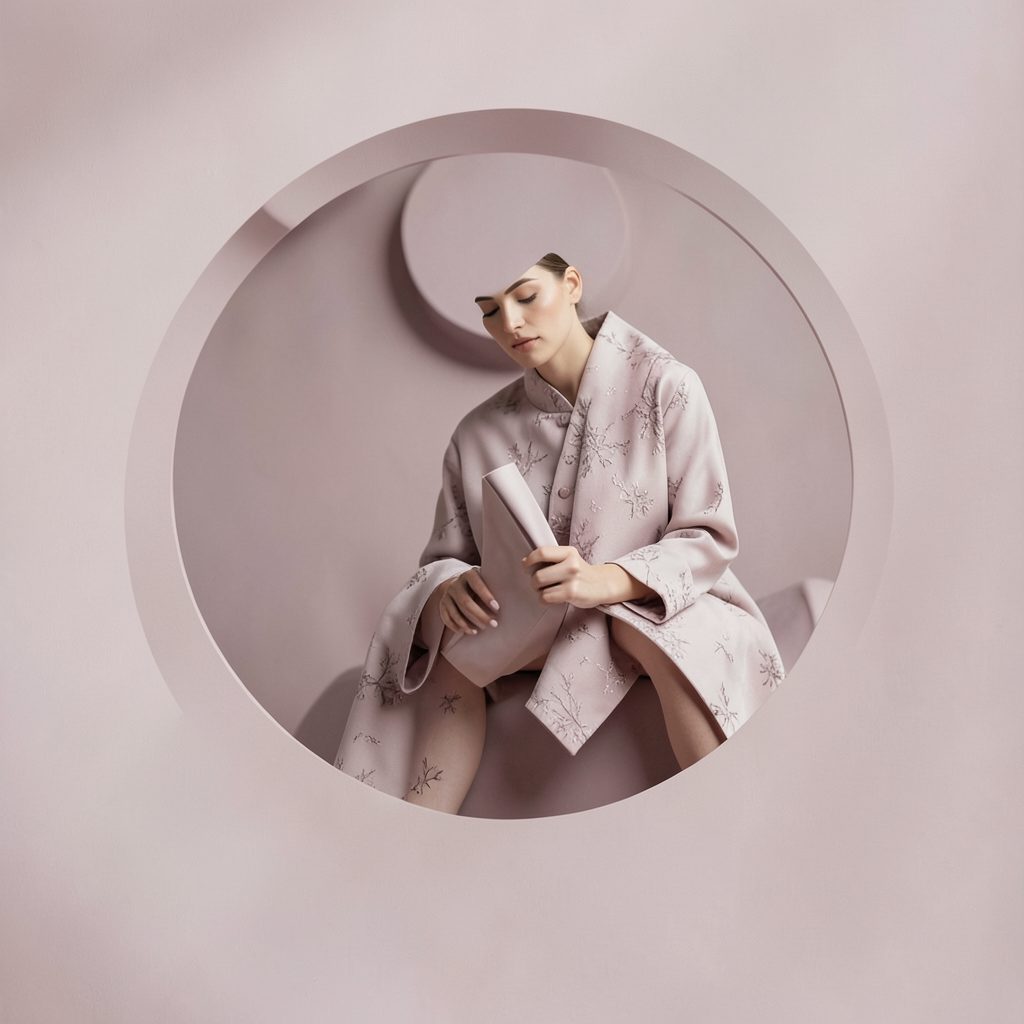
From the GUESS Summer 2017 campaign to the Jennifer Lopez x GUESS + Marciano Spring '18 collection, GUESS Journal showcased seasonal advertising and celebrity collaborations. Charlotte McKinney, a #GUESSGirl, shared her spring shopping list — every piece under $100 — as seen on E! News. The Marciano Pre-Fall 2017 collection brought runway-inspired trends to stores with a three-day fashion event.
In-Store Events
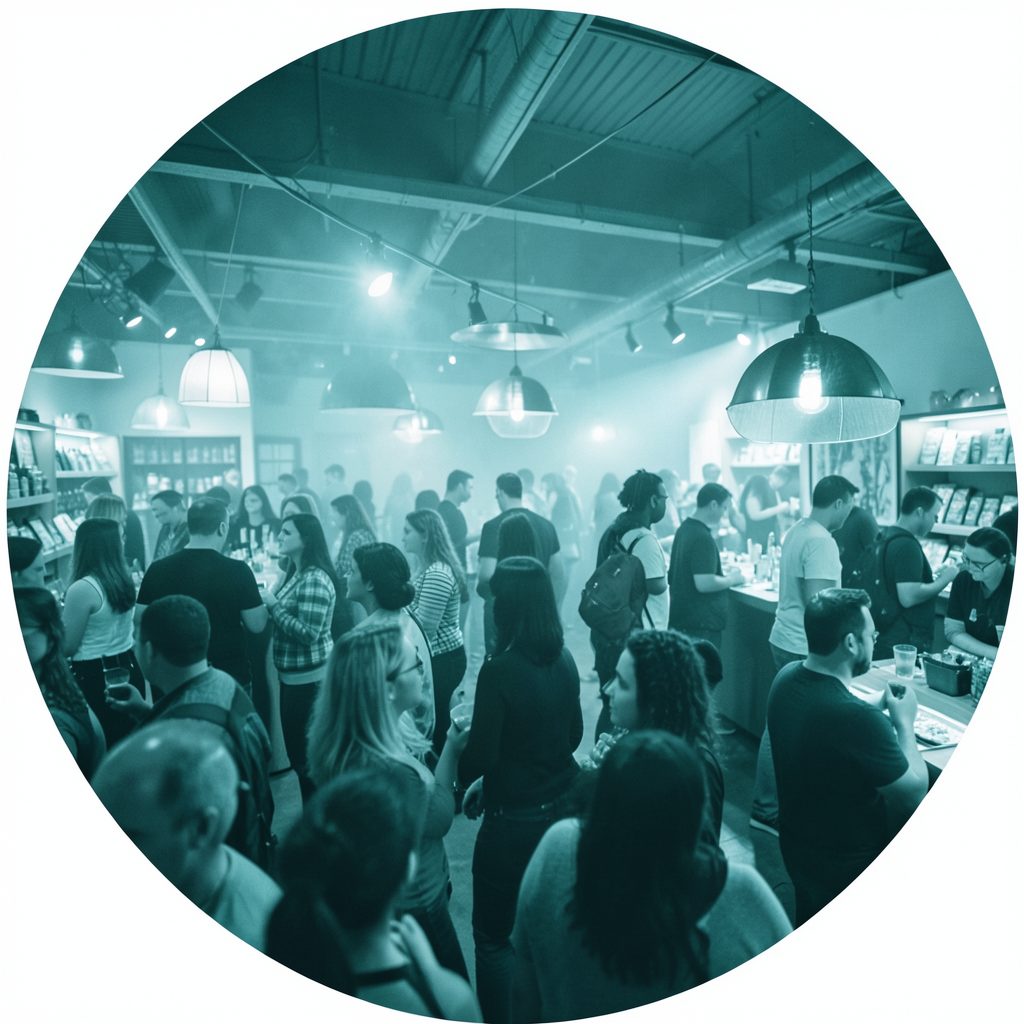
GUESS and Marciano stores hosted memorable events across the US and Canada. The Chasing the Sun Events on June 9, 2018 featured live DJs, in-store treats, and a Ping Pong Paddle Set for GUESS List members with a $125+ purchase. Marciano Summer Store Events offered VIP treatment, sweets by Sugarfina, sparkling sips, triple points, and a custom embroidered straw beach hat with a $200+ purchase.

#DenimDay Europe
GUESS?, Inc. joined Fundación Ana Bella and Peace Over Violence in Barcelona to kick off #DenimDay Europe. Paul Marciano, Co-founder and Creative Director of GUESS?, Inc., delivered a keynote speech. Elsa Pataky served as the official #DenimDay Spain Ambassador, with fashion blogger Honey Dressing also in attendance. DenimDay was observed on May 27, 2016 in Europe and April 27, 2016 in North America.
Get in Touch
Questions about past events, campaigns, or the GUESS Journal? Reach out and we'll get back to you.