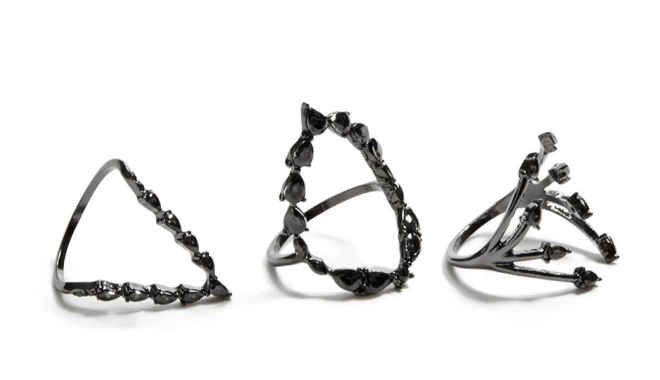
 Campaigns & Style
 In-Store Events
 Sweepstakes & Perks
Where GUESS Style Comes to Life
The lifestyle blog and event hub for GUESS and Marciano — featuring campaign launches, in-store celebrations, sweepstakes, and style editorials from the world of GUESS.
"Because some things never go out of style." — Celebrating the GUESS + Marciano Spring '18 Campaign
Inside the design studio: sketching the next collection
A new collection rarely begins with a finished garment. It starts with fragments: a color seen on a city street, the texture of worn leather, a photograph pinned to a studio wall, or the way a favorite pair of jeans moves through an ordinary day. In a design studio, these observations become the raw material for a seasonal story.
For GUESS and Marciano, that story is shaped through a conversation between recognizable house codes and the mood of the moment. Denim, tailoring, metallic details, body-conscious silhouettes, and effortless California energy may all enter the discussion, but none is treated as a fixed formula. Each collection asks how familiar elements can feel fresh again.
The creative process is full of movement. Sketches are revised, fabrics are tested, proportions shift, and the distance between an idea and a wearable piece grows smaller with every fitting. Following GUESS Journal offers a closer look at the fashion stories, campaigns, events, and experiences that bring this creative world to life.
From first mark to first fitting
The earliest sketches are often quick and incomplete. A designer may capture the curve of a neckline, the angle of a pocket, or the volume of a sleeve in a few confident lines. These drawings are less about presenting a polished answer than recording a possibility before it disappears.
Mood boards give those possibilities a shared direction. Images, fabric swatches, vintage references, architectural shapes, and color studies help define the emotional character of a collection. One season may call for sharp tailoring and polished hardware; another may lean into soft jersey, sun-faded washes, and relaxed proportions. The visual language changes, but the objective remains consistent: create clothing that communicates a point of view.
Once the design team agrees on the central mood, sketches become more precise. Technical notes identify seam placement, closures, stitching, washes, and finishing details. A silhouette that looks simple on paper can involve dozens of decisions, from the depth of a pocket to the exact position of a belt loop.
Reading the mood of a season
Trend research is only one part of the process. Designers also pay attention to how people are dressing in real life, how they combine formal and casual pieces, and which garments earn a permanent place in a wardrobe. The most useful references often come from unexpected combinations: a structured jacket worn with distressed denim, a satin skirt paired with a substantial boot, or a delicate top grounded by a utilitarian accessory.
Color helps translate that observation into a collection. A palette might begin with dependable neutrals, then gain energy from saturated red, icy blue, pale yellow, or high-shine silver. The balance matters. Strong shades create visual impact, while denim washes, black, white, and warm earth tones give the collection room to breathe.
Material selection deepens the story. Stretch denim can shape a fitted silhouette while preserving movement. Coated fabrics bring a polished, almost liquid surface. Soft knits add comfort, and crisp shirting introduces structure. When these materials appear together, the collection feels considered rather than uniform, with different textures supporting different moments in a day.
The architecture of denim
Denim design begins with fit. A straight leg, flare, wide leg, bootcut, or sculpted skinny silhouette changes the relationship between the body and the rest of an outfit. The rise, waistband, pocket scale, and hem finish all influence how a pair feels when standing, walking, or sitting.
The wash is equally expressive. Deep indigo can look refined and directional, while a pale vintage wash suggests ease and familiarity. Fading, whiskering, abrasions, and contrast stitching are placed with intention. Even a distressed finish requires control: the garment should appear lived-in without losing its shape or quality.
A studio sample is tested in motion, not simply viewed on a hanger. Designers examine how the fabric stretches, where it folds, and whether the silhouette keeps its character after repeated wear. This practical stage protects the original idea while ensuring that the final piece works beyond the sketchbook.
Where craft meets everyday wearability
Every collection depends on a productive tension between visual impact and daily usefulness. A statement jacket can carry the drama of a campaign image, yet it should still work with denim and a simple top. A fitted dress may define the evening direction, while an adaptable knit or tailored trouser gives the wardrobe a quieter anchor.
The development process brings creative and technical teams together. Patternmakers translate two-dimensional drawings into three-dimensional forms. Sample makers assess construction. Merchandising teams consider how pieces will sit together across categories and price points. Fit sessions reveal whether an idea needs to be lengthened, softened, sharpened, or completely reconsidered.
| Design decision | What the studio examines | How it shapes the finished piece |
|---|---|---|
| Silhouette | Proportion, movement, and balance | Determines the overall attitude and ease of wear |
| Fabric | Weight, stretch, texture, and recovery | Influences comfort, drape, and durability |
| Color | Seasonal mood and wardrobe compatibility | Creates impact while supporting outfit versatility |
| Hardware | Scale, finish, and placement | Adds polish, edge, or a recognizable signature |
| Wash and finish | Fading, surface treatment, and hand feel | Gives denim and casual pieces their character |
| Styling | Layering, accessories, and footwear | Shows how the collection works as a complete wardrobe |
Fittings are where the emotional idea meets the practical garment. A jacket may look powerful in a drawing but restrict movement in a heavier fabric. A pair of jeans may have the right proportions but need a revised waistband. These discoveries are not setbacks; they are part of the translation from concept to clothing.
A studio rhythm built for collaboration
Design is rarely a solitary act. A collection develops through shared observations, direct feedback, and the willingness to look at a familiar idea from another angle. One person may focus on color while another studies construction, and a stylist may identify a pairing that changes how a garment is understood.
The rhythm can be intense as a launch approaches. Samples arrive, fittings multiply, and decisions become increasingly specific. Teams review lineups, compare fabrics under different lighting, and consider how the collection will appear in photography, stores, digital content, and real wardrobes. The final edit is often as important as the first burst of inspiration.
That collaborative energy continues beyond the studio. Retail teams, visual merchandisers, photographers, casting directors, and event producers all help shape how customers encounter the collection. Brand storytelling gives the garments context, while in-store experiences allow the details to be seen and felt up close. Updates about event calendar can connect the creative process with the occasions where fashion becomes part of a shared experience.
From worktable to storefront
The move from sample room to retail floor involves a careful sequence of decisions. Garments are grouped into stories, color families are balanced, and key pieces are selected to create an immediate visual impression. Styling demonstrates how a customer might build an outfit, but the collection remains open to personal interpretation.
Campaign imagery amplifies the mood established in the studio. Lighting, location, casting, and movement can reveal a different dimension of the clothes. A metallic detail catches the light; a denim wash changes character outdoors; a tailored piece gains energy when styled with unexpected accessories. These images do not replace the garment experience. They invite people into it.
The final collection carries traces of every stage that came before: the first reference, the revised sketch, the fitting-room adjustment, and the choice to keep one detail while removing another. That history is part of what makes fashion feel personal. A finished piece may look effortless, but its ease is supported by a substantial amount of thought.
Details worth noticing in a new collection
A closer look can reveal the design logic behind pieces that initially seem simple. When browsing a campaign, visiting a store, or assembling an outfit, pay attention to the small decisions that give a garment its identity.
- Compare the silhouette with the fabric: a structured material usually creates sharper lines, while a fluid textile softens the same shape.
- Look at points of emphasis, such as a distinctive pocket, branded hardware, contrast seam, asymmetric hem, or unexpected neckline.
- Notice how denim washes interact with color, texture, and proportion across the rest of the outfit.
- Consider versatility alongside impact by imagining at least three settings where the piece could be worn.
- Follow the garment’s care instructions and consult a practical denim care guide to help preserve its fit, finish, and character.
The most successful designs invite repeated discovery. A jacket may first stand out for its shape, then reveal an unusual lining or carefully placed fastener. Jeans may feel familiar at first, but their fit, wash, and construction show the precision behind that familiarity. These details turn a seasonal release into a lasting wardrobe conversation.
Explore the latest fashion stories, campaign news, retail moments, and brand experiences through GUESS Journal. Then bring the studio perspective into your own wardrobe by choosing pieces for their design details, styling potential, and ability to become part of your everyday story.
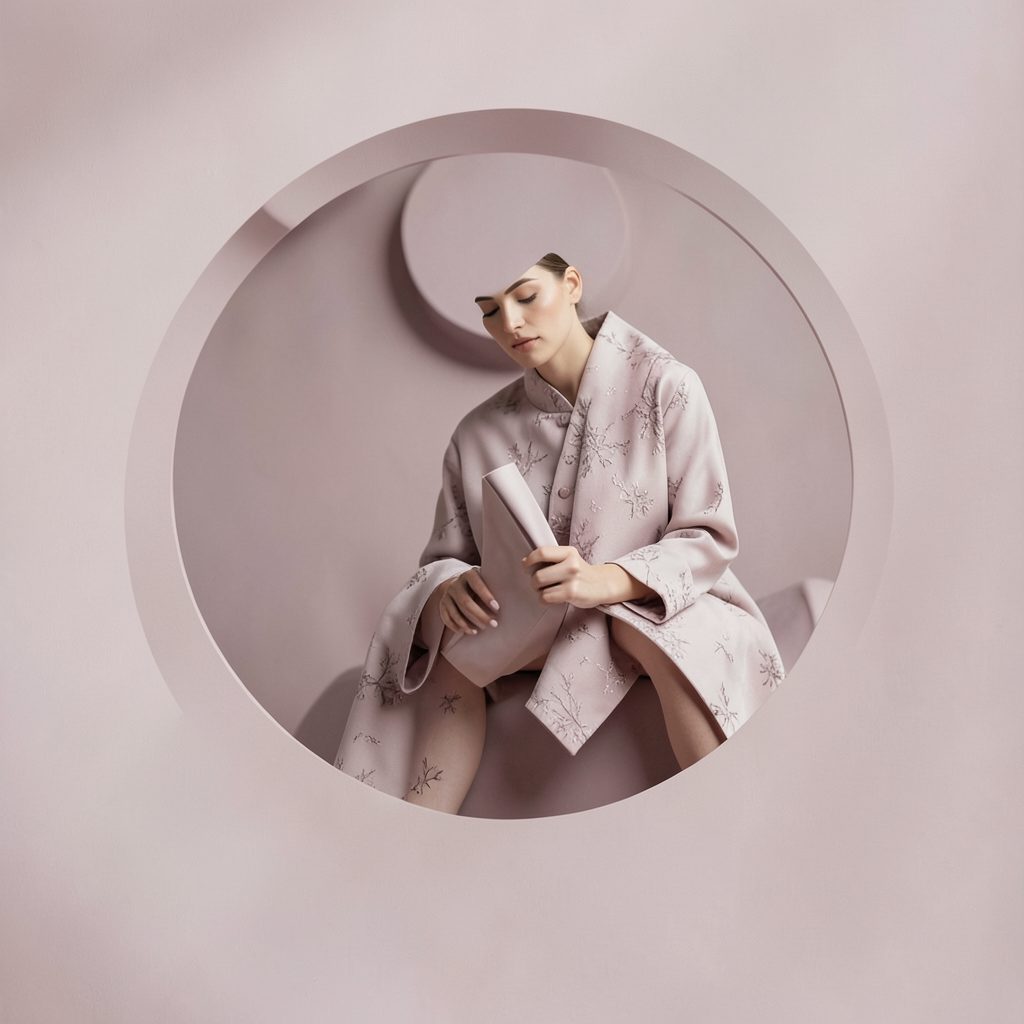
Campaigns
From the GUESS Summer 2017 campaign to the Jennifer Lopez x GUESS + Marciano Spring '18 collection, GUESS Journal showcased seasonal advertising and celebrity collaborations. Charlotte McKinney, a #GUESSGirl, shared her spring shopping list — every piece under $100 — as seen on E! News. The Marciano Pre-Fall 2017 collection brought runway-inspired trends to stores with a three-day fashion event.
In-Store Events
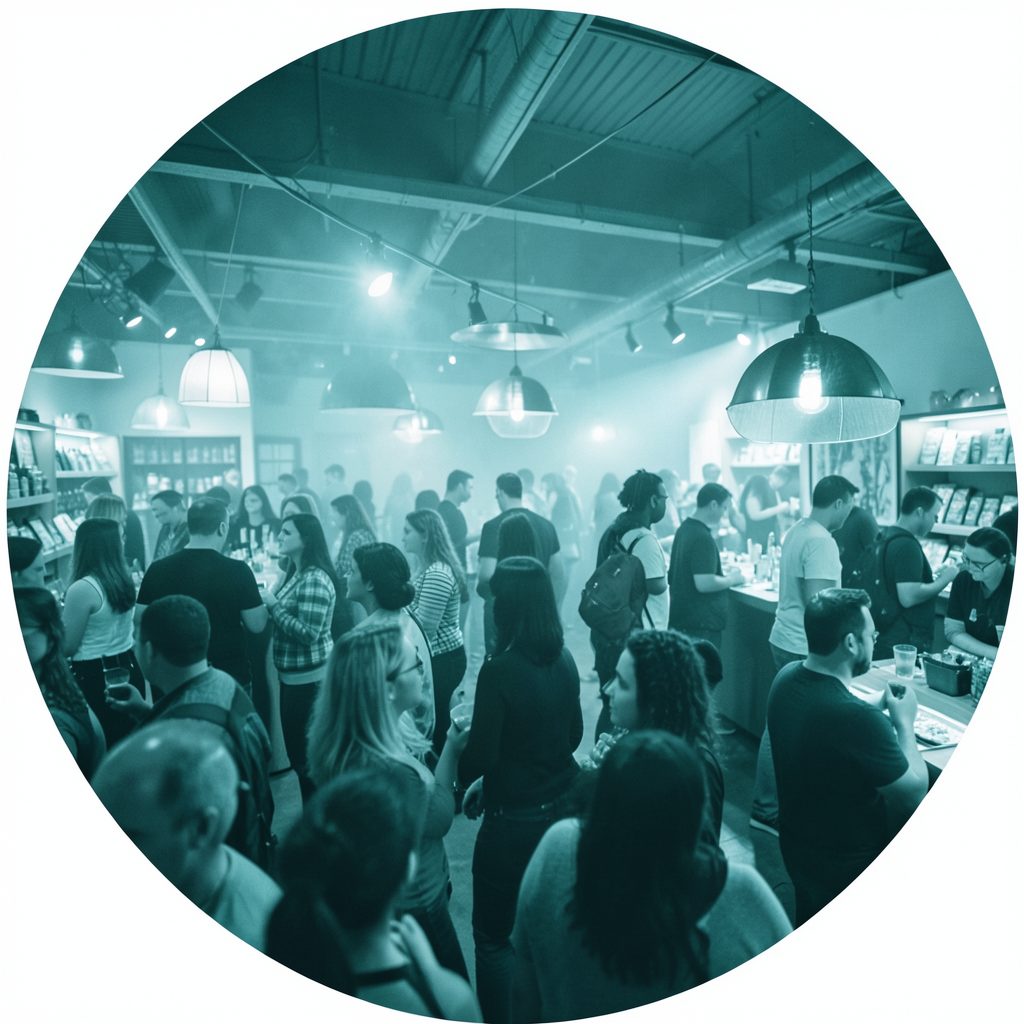
GUESS and Marciano stores hosted memorable events across the US and Canada. The Chasing the Sun Events on June 9, 2018 featured live DJs, in-store treats, and a Ping Pong Paddle Set for GUESS List members with a $125+ purchase. Marciano Summer Store Events offered VIP treatment, sweets by Sugarfina, sparkling sips, triple points, and a custom embroidered straw beach hat with a $200+ purchase.

#DenimDay Europe
GUESS?, Inc. joined Fundación Ana Bella and Peace Over Violence in Barcelona to kick off #DenimDay Europe. Paul Marciano, Co-founder and Creative Director of GUESS?, Inc., delivered a keynote speech. Elsa Pataky served as the official #DenimDay Spain Ambassador, with fashion blogger Honey Dressing also in attendance. DenimDay was observed on May 27, 2016 in Europe and April 27, 2016 in North America.
Get in Touch
Questions about past events, campaigns, or the GUESS Journal? Reach out and we'll get back to you.