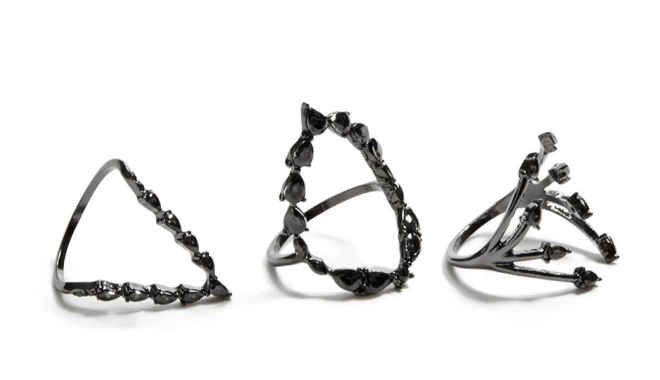
 Campaigns & Style
 In-Store Events
 Sweepstakes & Perks
Where GUESS Style Comes to Life
The lifestyle blog and event hub for GUESS and Marciano — featuring campaign launches, in-store celebrations, sweepstakes, and style editorials from the world of GUESS.
"Because some things never go out of style." — Celebrating the GUESS + Marciano Spring '18 Campaign
Inside The Design Studio: How The New Print Patterns Were Created
A new print can change the entire attitude of a look. It can make denim feel more expressive, bring movement to a tailored silhouette, or turn an everyday accessory into the detail that defines an outfit. Before a pattern reaches a garment, however, it passes through a highly considered process of research, sketching, color development, and testing.
Inside the design studio, creativity is balanced with instinct. References may come from vintage advertising, city architecture, travel photography, hand-painted marks, or the natural irregularities found in stone and water. The goal is not to reproduce one source exactly, but to transform several impressions into a visual language that feels current, recognizable, and distinctly GUESS.
This is the story of how the new print patterns were created: from the first mood-board image to the final placement on a finished piece. Every line, scale, and color has a role in making the collection feel connected while giving each design its own personality.
From Reference To Repeat
The process begins with observation. Designers gather images, materials, and objects that communicate a particular mood rather than a single literal idea. A faded postcard might suggest a palette of sun-washed blue and warm ivory. A close-up photograph of a tiled facade could inspire a geometric arrangement. A vintage scarf may offer clues about border details, rhythm, or the way a motif can travel across fabric.
These references are edited into a focused visual direction. The studio team looks for common qualities: perhaps a shared sense of movement, a balance between softness and structure, or a contrast between polished and imperfect surfaces. This stage helps define the emotional character of the pattern before technical decisions begin.
The history of GUESS denim also demonstrates how a strong image can shape a wider brand world. The first denim campaign captured the energy of a specific moment and place, showing how styling, photography, and attitude can work together. That same spirit informs print development today, even when the final result appears on a blouse, handbag, or occasion dress.
Once the direction is clear, artists begin translating the references into marks. Some motifs are drawn by hand, while others are built digitally, layered, mirrored, enlarged, or softened. The purpose of this stage is to discover the pattern’s most compelling form rather than to make it perfectly polished too early.
Building A Distinctive Visual Vocabulary
A print needs a recognizable vocabulary. That vocabulary may include botanical shapes, curved lines, fragments of lettering, abstract waves, or sharp architectural forms. Designers consider how these elements speak to one another and how much empty space should remain between them. A crowded print can feel energetic, while a more open arrangement can make a garment feel refined and easy to wear.
Scale plays a major role in the result. A small repeat can create texture across an entire shirt, while an oversized motif may become a focal point on a skirt or coat. The same artwork can feel completely different when enlarged, rotated, cropped, or placed along a seam. Designers test these options to make sure the print supports the silhouette instead of competing with it.
Placement is especially important for fashion pieces with structured construction. A pattern may need to align across a collar, flow naturally over a sleeve, or remain visually balanced around a pocket. On a dress, the direction of the motif can guide the eye through the shape. On denim or accessories, a concentrated detail may be more effective than full coverage.
The studio also considers how the print will be experienced in motion. A motif that looks delicate on a flat digital screen may become bold when fabric moves. A linear design can create a striking effect as it follows the body, while a fluid pattern may appear almost animated on a draped material. This relationship between artwork and movement gives the print its final dimension.
Color, Contrast, And Material
Color development is a separate creative conversation. Designers begin with a core palette that reflects the intended season and mood, then adjust it according to the fabric, garment category, and styling possibilities. A deep espresso ground can make pale florals feel modern, while a washed denim base can give a graphic motif a relaxed character.
Color is also tested for balance. A print may include a dominant shade, a supporting tone, and a small accent that creates visual tension. The accent does not need to be loud; sometimes a trace of red, metallic gold, or unexpected green is enough to make the entire composition feel alive.
| Design Element | Studio Question | Effect On The Finished Look |
|---|---|---|
| Motif scale | Should the artwork feel intimate or expressive? | Controls the visual impact and relationship to the silhouette |
| Color contrast | How much separation should exist between the ground and pattern? | Defines clarity, depth, and overall mood |
| Repeat direction | Should the print move horizontally, vertically, or organically? | Influences how the eye follows the garment |
| Negative space | Where should the fabric remain quiet? | Gives the design balance and makes key motifs stand out |
| Surface finish | How will the material reflect or absorb light? | Changes the perceived richness and intensity of the colors |
Material can transform the same artwork into several different statements. On satin, color may appear luminous and fluid. On cotton, the pattern can feel crisp and graphic. On knitwear, a motif may become softer and more dimensional. For this reason, print development cannot be separated from fabric selection. The artwork and the surface need to be evaluated together.
The studio also pays attention to everyday wearability. A dramatic pattern can still be versatile when its colors are easy to combine or when the garment has a familiar shape. This balance allows expressive pieces to move between occasions, from daytime styling with denim to evening looks with sleek accessories.
Testing The Pattern In Real Life
Digital artwork is only the beginning. Designers produce physical samples to understand how the pattern behaves at full scale. These samples reveal details that are difficult to judge on a monitor: whether fine lines disappear, whether colors become too dense, and whether the repeat feels too predictable.
The team studies the fabric under different lighting conditions and views it from several distances. A print should hold interest up close while retaining a clear overall impression from across a room. This is particularly important for retail environments, where garments are often seen on racks before they are tried on.
Fit sessions bring another layer of information. A pattern may look balanced on a flat piece of fabric but shift when placed on a curved body. The studio checks the position of key motifs, the continuity of the repeat, and the way the artwork interacts with seams, gathers, buttons, and fastenings. Small changes in placement can make the garment feel more intentional.
This stage often involves editing. A border may be reduced, a background may be lightened, or one shape may be removed to create more breathing room. Refinement is not about taking away personality; it is about making sure every component contributes to the final impression.
The strongest prints are usually those that remain appealing after these practical questions have been answered. They have a clear identity, yet they can live naturally within a wardrobe. They photograph well, move well, and maintain their character when styled in different ways.
Where Print Meets Occasion
Prints can communicate a different kind of confidence when they appear in eveningwear. A sweeping pattern on a fluid dress may create movement under warm lighting, while a sharper motif can bring energy to a fitted blazer or tailored trouser. The fabric, silhouette, and finish determine whether the design feels romantic, polished, or boldly modern.
This connection between artwork and occasion is central to the Marciano eveningwear edit. Evening pieces often give prints room to become the main event, especially when the rest of the styling is kept clean. A considered pattern can replace excessive embellishment while still offering richness and visual impact.
The studio evaluates prints across a range of settings rather than imagining them in isolation. A dress may be styled for a dinner, a jacket for a night out, or a scarf for an event look that begins in the afternoon. This broader view helps designers create pieces with a strong point of view and enough flexibility to be worn in multiple ways.
Accessories also play a role in translating a new pattern into a complete look. A printed bag can echo a color from a dress without matching it exactly. Shoes or jewelry can sharpen the mood, while denim can make an expressive top feel more casual. Styling reveals the many lives a print can have beyond its first presentation.
Refining The Details Before Release
Before a design is approved, the studio reviews its technical and visual performance. Artwork files need to be prepared for production, color references must be communicated accurately, and repeat measurements have to be consistent. These details may happen behind the scenes, but they protect the original creative idea as it moves through manufacturing.
The review also considers how the print fits within the wider seasonal collection. New patterns should bring freshness without feeling disconnected from the brand’s established codes. Familiar touches may appear in the color story, attitude, or styling, while the artwork itself introduces something unexpected.
A final print can contain evidence of its entire journey: the imperfect line from an original sketch, the discipline of a carefully measured repeat, and the confidence that comes from testing the design on a real garment. That combination gives the piece depth. It feels designed rather than simply decorated.
For customers, the result may be an immediate reaction to color or shape. For the studio, it represents months of decisions that are rarely visible at first glance. Each choice supports the way a garment will be seen, worn, photographed, and remembered.
Ways To Style The New Prints
The most successful pattern is one that invites personal interpretation. There is no single way to wear it, but a few styling principles can help preserve the artwork’s impact while keeping the look effortless.
- Pair a bold printed top with clean denim or tailored trousers to create contrast.
- Choose one accent color from the pattern for shoes, a bag, or jewelry.
- Let an oversized motif lead the look by keeping additional prints minimal.
- Layer a printed piece under a neutral jacket when you want a quieter approach.
- Use tonal accessories to make a smaller repeat feel polished and cohesive.
Prints can also be styled according to mood. A fluid floral may feel relaxed with flat sandals and understated jewelry, then become more dramatic with pointed heels and sculptural accessories. A geometric design can take on a casual character with denim or look sharper when paired with a streamlined blazer.
The key is to notice what the artwork is already communicating. If the pattern is energetic, let it have space. If it is subtle, bring out its texture through contrasting materials. Styling works best when it supports the print’s personality instead of overwhelming it.
Keep Following The Visual Story
The new patterns are part of a larger conversation about fashion, image-making, and the many ways GUESS and Marciano express their point of view. See campaign stories, event moments, and the latest editorial updates through the GUESS social hub, where the details behind each look continue to unfold.
When a print reaches the store, its studio journey becomes part of a customer’s own story. Wear it as a statement, pair it with familiar essentials, or discover an unexpected combination that makes the pattern feel entirely personal. Explore the latest collections and bring the artwork to life in your own way.
Campaigns
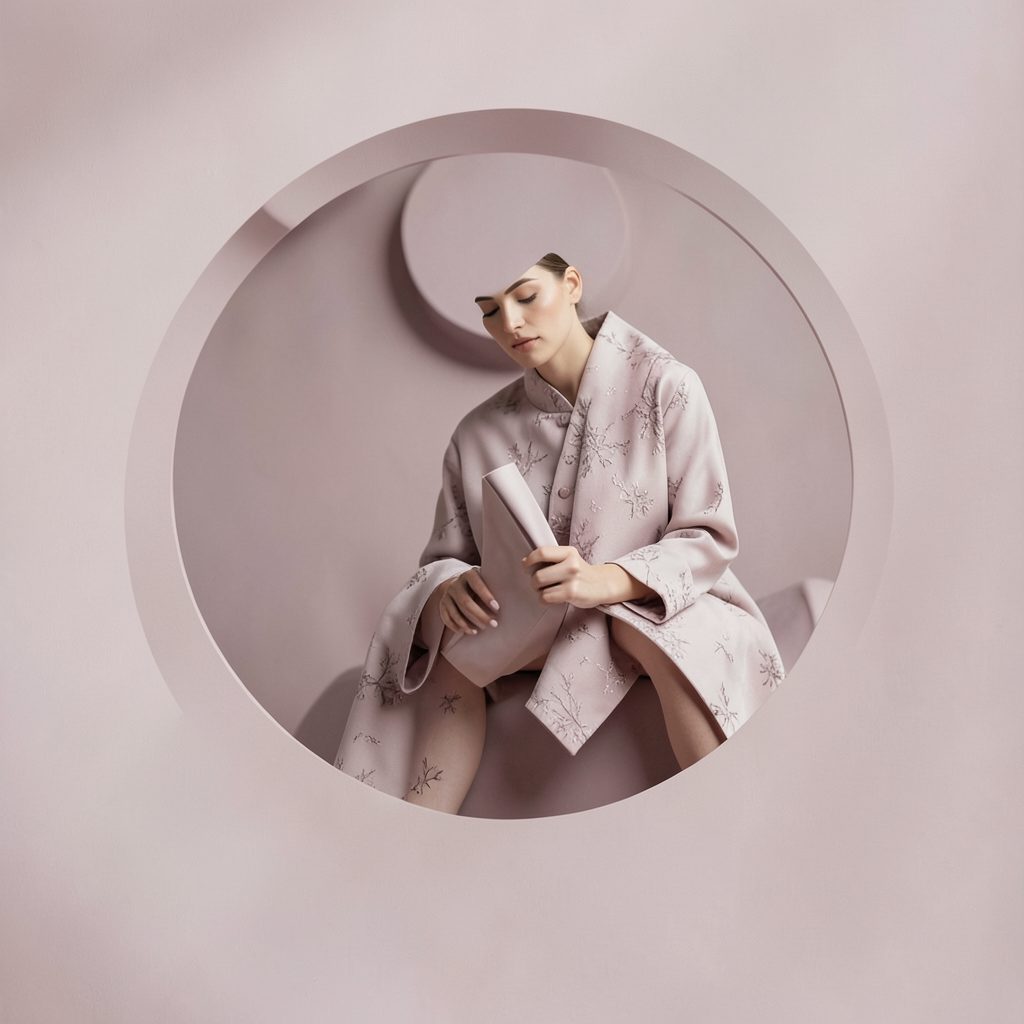
From the GUESS Summer 2017 campaign to the Jennifer Lopez x GUESS + Marciano Spring '18 collection, GUESS Journal showcased seasonal advertising and celebrity collaborations. Charlotte McKinney, a #GUESSGirl, shared her spring shopping list — every piece under $100 — as seen on E! News. The Marciano Pre-Fall 2017 collection brought runway-inspired trends to stores with a three-day fashion event.
In-Store Events
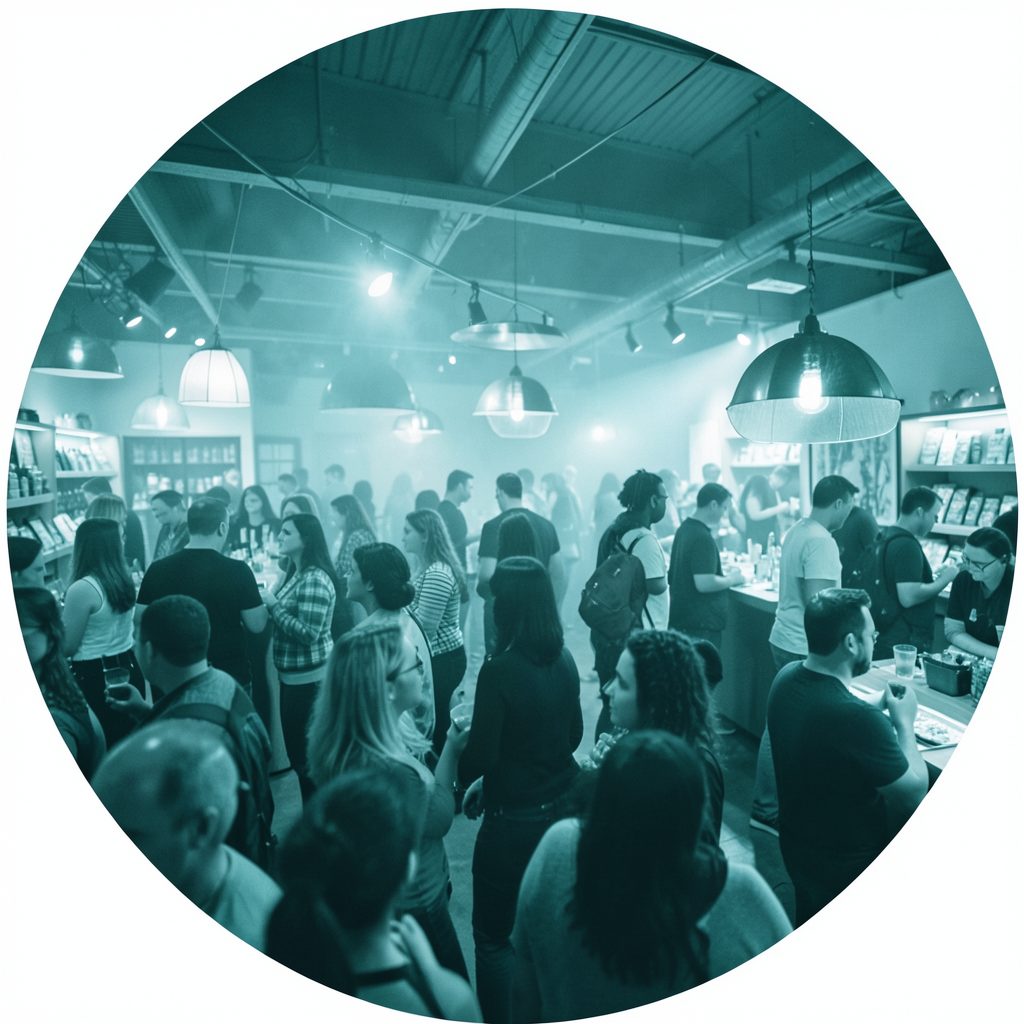
GUESS and Marciano stores hosted memorable events across the US and Canada. The Chasing the Sun Events on June 9, 2018 featured live DJs, in-store treats, and a Ping Pong Paddle Set for GUESS List members with a $125+ purchase. Marciano Summer Store Events offered VIP treatment, sweets by Sugarfina, sparkling sips, triple points, and a custom embroidered straw beach hat with a $200+ purchase.

#DenimDay Europe
GUESS?, Inc. joined Fundación Ana Bella and Peace Over Violence in Barcelona to kick off #DenimDay Europe. Paul Marciano, Co-founder and Creative Director of GUESS?, Inc., delivered a keynote speech. Elsa Pataky served as the official #DenimDay Spain Ambassador, with fashion blogger Honey Dressing also in attendance. DenimDay was observed on May 27, 2016 in Europe and April 27, 2016 in North America.
Get in Touch
Questions about past events, campaigns, or the GUESS Journal? Reach out and we'll get back to you.