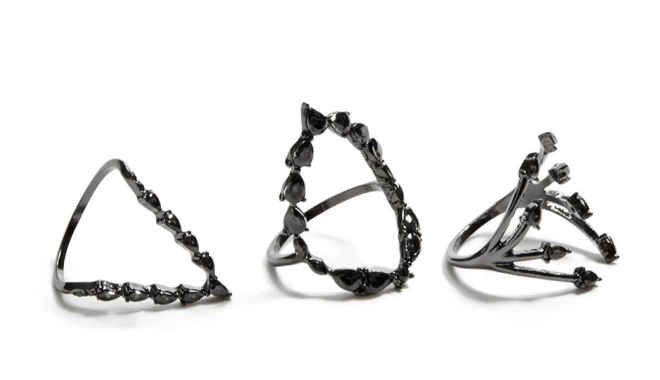
 Campaigns & Style
 In-Store Events
 Sweepstakes & Perks
Where GUESS Style Comes to Life
The lifestyle blog and event hub for GUESS and Marciano — featuring campaign launches, in-store celebrations, sweepstakes, and style editorials from the world of GUESS.
"Because some things never go out of style." — Celebrating the GUESS + Marciano Spring '18 Campaign
Inside the creative process of a holiday campaign photographer
Holiday fashion imagery begins long before the camera is raised. A photographer may start with a mood, a color, or a single visual reference, then build an entire world around that first spark. The goal is to make seasonal clothing feel connected to a larger emotion: anticipation, celebration, confidence, or the quiet glamour of a winter evening.
For a GUESS or Marciano campaign, the image must carry several ideas at once. It needs to show the texture and silhouette of the collection, express the energy of the season, and feel instantly recognizable as part of the brand’s visual language. Every location, model, prop, and beam of light has a role in that story.
The most compelling holiday photographs often look effortless. That ease comes from a carefully choreographed creative process involving art direction, styling, set design, casting, lighting, retouching, and close collaboration. Behind one polished frame is a sequence of decisions designed to make the final moment feel spontaneous.
From spark to story
The process usually begins with a creative brief, but the brief is only a starting point. A photographer studies the campaign’s purpose, the collection’s key pieces, the intended audience, and the emotional tone the brand wants to create. A festive eveningwear collection might call for cinematic glamour, while a casual gifting story may need warmth, movement, and a sense of real connection.
Mood boards help turn broad ideas into a shared visual vocabulary. References can include old Hollywood stills, winter architecture, candlelit interiors, reflective surfaces, holiday color palettes, and contemporary street style. These images are not copied directly. They help the creative team identify useful qualities such as softness, contrast, intimacy, sparkle, or dramatic scale.
The photographer then translates those qualities into a visual treatment. This may describe the preferred camera angles, the balance between close portraits and full fashion looks, the pace of the images, and how much space the background should occupy. A strong treatment gives the production direction while leaving room for unexpected moments on set.
Building a holiday visual language
Seasonal campaigns depend on familiar symbols, but the strongest art direction uses them with restraint. Metallic accents, glass ornaments, velvet, ribbons, snow, and warm lights can establish a holiday atmosphere quickly. When every prop competes for attention, however, the clothing loses its authority. The set should support the wardrobe rather than overpower it.
Color is one of the first decisions that shapes the campaign. Deep black, icy silver, rich red, champagne, and winter white can create very different moods. A photographer considers how those tones interact with skin, denim, sequins, leather, and polished accessories. The palette also needs to work across portraits, product-focused images, social crops, storefront displays, and digital banners.
Texture brings the frame to life. A glittering dress catches small points of light; faux fur creates softness around the face; glossy boots reflect the set; satin changes character as a model turns. The photographer watches these details carefully, adjusting the direction of light or the model’s position so the material reads clearly without appearing artificial.
A holiday image should feel abundant, yet it needs visual breathing room. Negative space allows a statement jacket or sculptural accessory to become the focal point. Layered backgrounds can add depth, but a restrained composition often gives the final photograph greater impact. The balance between richness and clarity is one of the key signatures of polished fashion photography.
Casting light and movement
Lighting defines the emotional temperature of a scene. Soft, diffused illumination can make a portrait feel intimate and luxurious, while a harder source creates sharper shadows and a more editorial edge. Practical lights, such as chandeliers, table lamps, or strings of bulbs, may appear in the frame, but they are often combined with carefully placed studio lights to keep faces and garments beautifully controlled.
The photographer works with a lighting team to test how the set changes from one look to the next. Sequins may need a crisp highlight to reveal their pattern, while velvet benefits from directional light that emphasizes its depth. Reflective accessories can create unwanted glare, so the angle of the source and the camera may shift several times before the shot feels right.
Movement gives a holiday campaign its pulse. A model fastening an earring, walking through a doorway, lifting a glass, or turning into the light can communicate more than a static pose. The photographer may give simple prompts rather than fixed instructions, allowing gestures to develop naturally while capturing a carefully composed silhouette.
The best direction is specific enough to create intention and relaxed enough to preserve personality. Instead of asking for a generic smile, a photographer might invite the model to imagine greeting someone at a party or discovering a beautifully wrapped gift. These prompts produce expressions with context, making the image feel lived-in rather than staged.
The set as a living scene
A campaign set functions like a small film set. The creative team considers where the story takes place, what happened just before the shutter opens, and what might happen next. A grand staircase suggests arrival, a dressing room implies preparation, and a crowded table hints at a celebration just outside the frame. Location gives the clothes a reason to exist within the image.
Set designers and stylists build visual layers that guide the eye. Foreground details can frame a portrait, while a distant light or doorway adds depth. Props are selected for shape, color, and narrative value. Even a simple ornament may be positioned to echo a garment’s finish or lead attention toward an accessory.
The production often moves through several kinds of frames. Each serves a different purpose while belonging to the same campaign world:
| Image stage | Visual question | Creative decision | Feeling for the viewer |
|---|---|---|---|
| Establishing frame | Where does this celebration happen? | Show the environment and seasonal atmosphere | Curiosity and invitation |
| Full fashion look | How does the outfit move and fit? | Use a pose that reveals silhouette and styling | Confidence and aspiration |
| Detail portrait | What makes the look distinctive? | Crop closer to fabric, jewelry, makeup, or expression | Intimacy and discovery |
| Interaction frame | Who is part of the story? | Capture a gesture, glance, or shared movement | Connection and warmth |
| Closing image | What feeling remains? | Simplify the composition and emphasize mood | Desire to continue the story |
This sequence helps a photographer create a complete editorial rather than a collection of disconnected poses. The viewer can move from the world of the campaign to the clothes, then into the small details that make the scene memorable. Variety keeps the story dynamic, while a consistent palette and lighting approach hold it together.
Turning frames into brand moments
Once the shoot begins, the photographer is balancing creative instinct with practical requirements. A campaign may need vertical images for mobile screens, wide compositions for web banners, tightly cropped portraits for social media, and clean product views for retail channels. The team plans for these formats without allowing technical considerations to flatten the emotion of the work.
Reviewing images on set is part of the creative process. The photographer, art director, stylist, and brand team assess whether the clothing is sitting correctly, whether the expression feels authentic, and whether the background is helping the subject. Small adjustments can change the result: a shoulder lowered by an inch, a necklace repositioned, a light softened, or a model moved closer to the edge of the frame.
The selected images are then shaped through color grading and retouching. Post-production should refine the atmosphere, preserve the character of the people photographed, and keep materials believable. Skin remains dimensional, metallic surfaces retain their sparkle, and rich colors stay consistent from one image to the next. The finished work should feel elevated without losing the energy captured on set.
Campaign storytelling continues after publication. Fans may encounter the imagery in a digital editorial, a storefront, an email, or a social post before seeing the full collection. The wider campaign archive shows how different visual concepts can express the evolving spirit of GUESS and Marciano while keeping fashion and experience at the center.
Details that make images memorable
The most lasting holiday photographs are built from small choices. A hand resting on a chair, a reflection in a window, a strand of light crossing the background, or a spontaneous laugh can give a highly produced image a human pulse. These details prevent the campaign from feeling like a display of clothes alone.
Photographers also pay attention to continuity. If a story includes several outfits, the sequence should feel intentional. Hair, makeup, props, and lighting may shift to mark a new chapter, while certain elements remain familiar. Repeated shapes or colors can act as visual threads, connecting one scene to the next.
A refined creative process usually depends on a few practical principles:
- Begin with an emotional idea before choosing props or locations.
- Let the clothing guide the light, movement, and distance of the camera.
- Build enough variety for multiple formats while protecting the campaign’s central mood.
- Leave room for unscripted gestures and expressions during the shoot.
- Retouch for polish while preserving texture, personality, and believable color.
These principles keep the work focused when a production becomes complex. They also help every department make decisions that serve the same story, from the first mood board to the final approved image.
Bringing the story into the season
A finished campaign photograph is an invitation to imagine a moment. It may suggest a night out, a thoughtful gift, a reunion, or the confidence that comes from wearing something that feels exactly right. The photographer’s role is to create enough atmosphere for the viewer to enter that moment, then enough clarity to appreciate the fashion within it.
That balance explains why holiday imagery can remain powerful after the decorations are packed away. The strongest frames are seasonal without being limited to a single date. They capture the glow of celebration, the drama of dressing up, and the personal rituals that make style meaningful.
Explore the visual stories, discover the details behind the latest collections, and find pieces that bring the same sense of occasion to your own wardrobe through the holiday edit. A well-made image starts the story; the way you wear it gives that story its next frame.
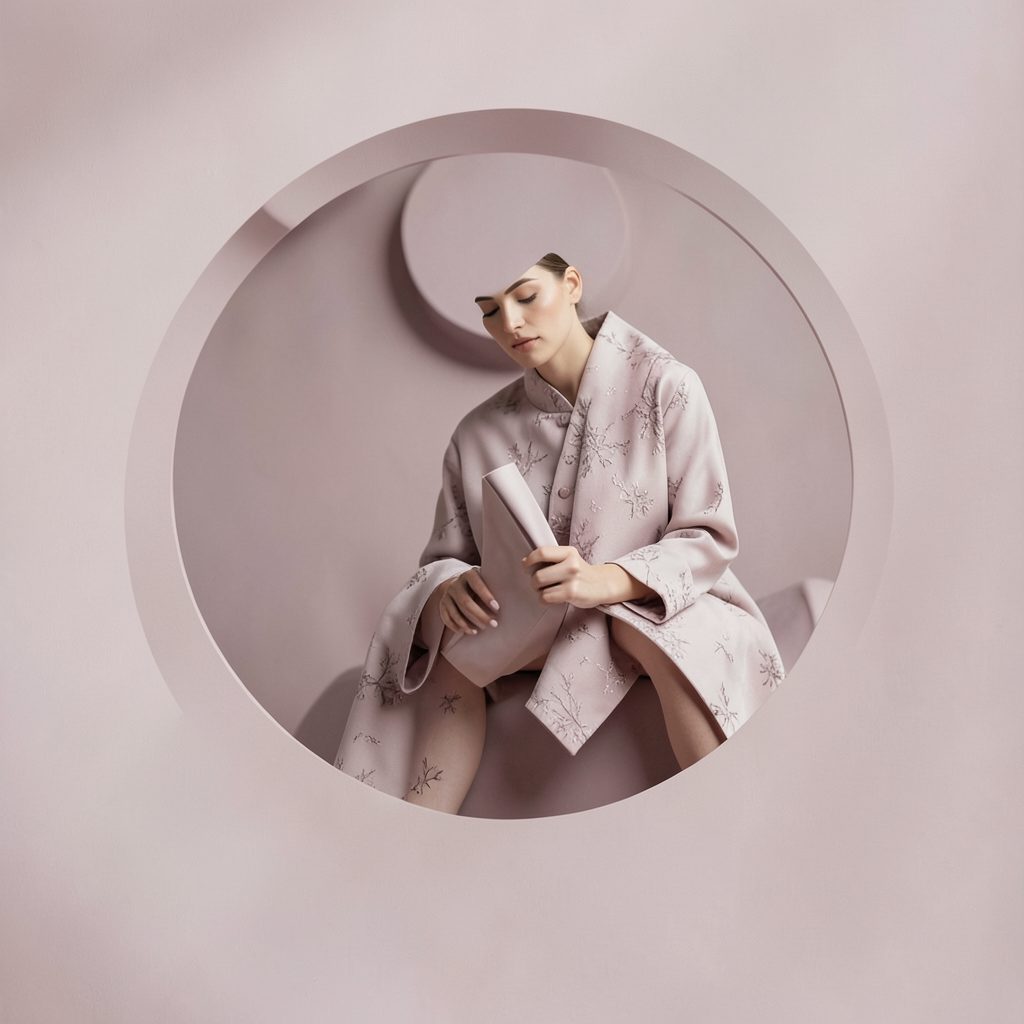
Campaigns
From the GUESS Summer 2017 campaign to the Jennifer Lopez x GUESS + Marciano Spring '18 collection, GUESS Journal showcased seasonal advertising and celebrity collaborations. Charlotte McKinney, a #GUESSGirl, shared her spring shopping list — every piece under $100 — as seen on E! News. The Marciano Pre-Fall 2017 collection brought runway-inspired trends to stores with a three-day fashion event.
In-Store Events
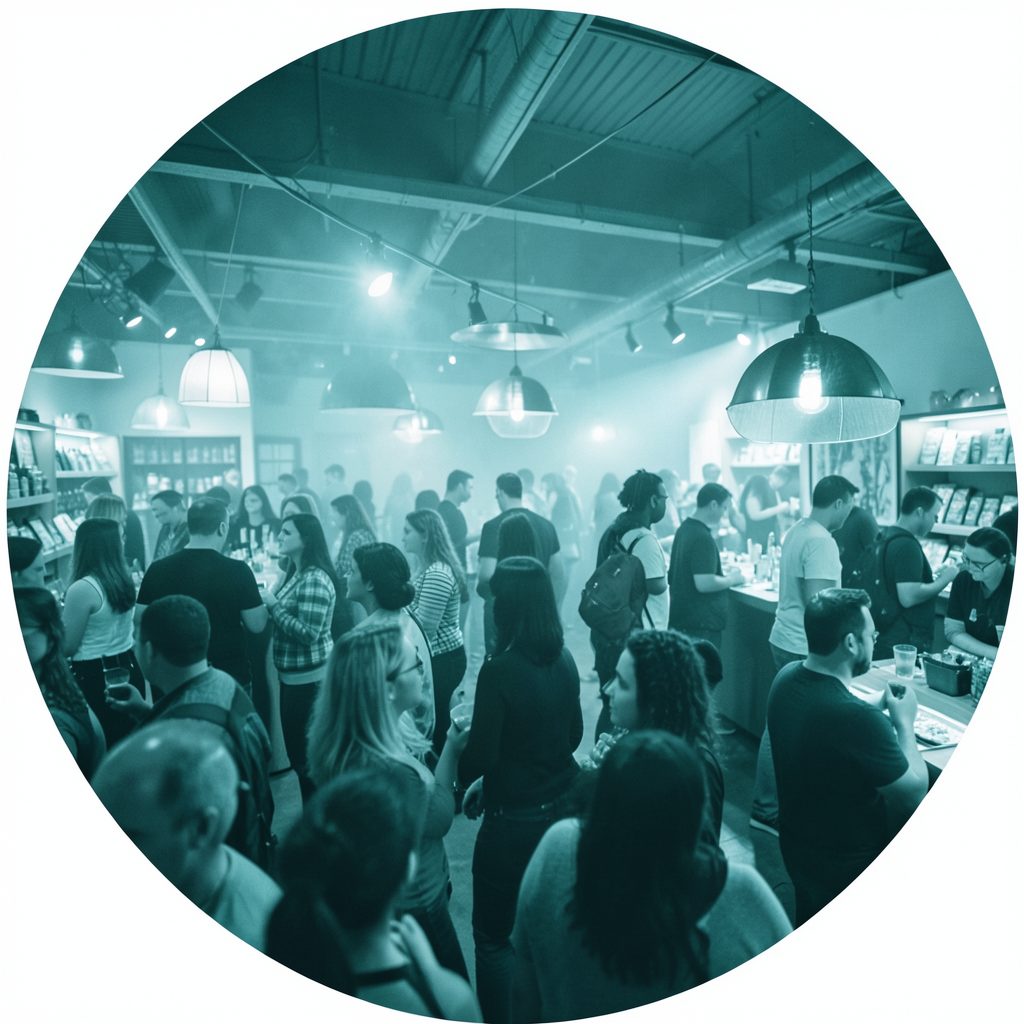
GUESS and Marciano stores hosted memorable events across the US and Canada. The Chasing the Sun Events on June 9, 2018 featured live DJs, in-store treats, and a Ping Pong Paddle Set for GUESS List members with a $125+ purchase. Marciano Summer Store Events offered VIP treatment, sweets by Sugarfina, sparkling sips, triple points, and a custom embroidered straw beach hat with a $200+ purchase.
#DenimDay Europe
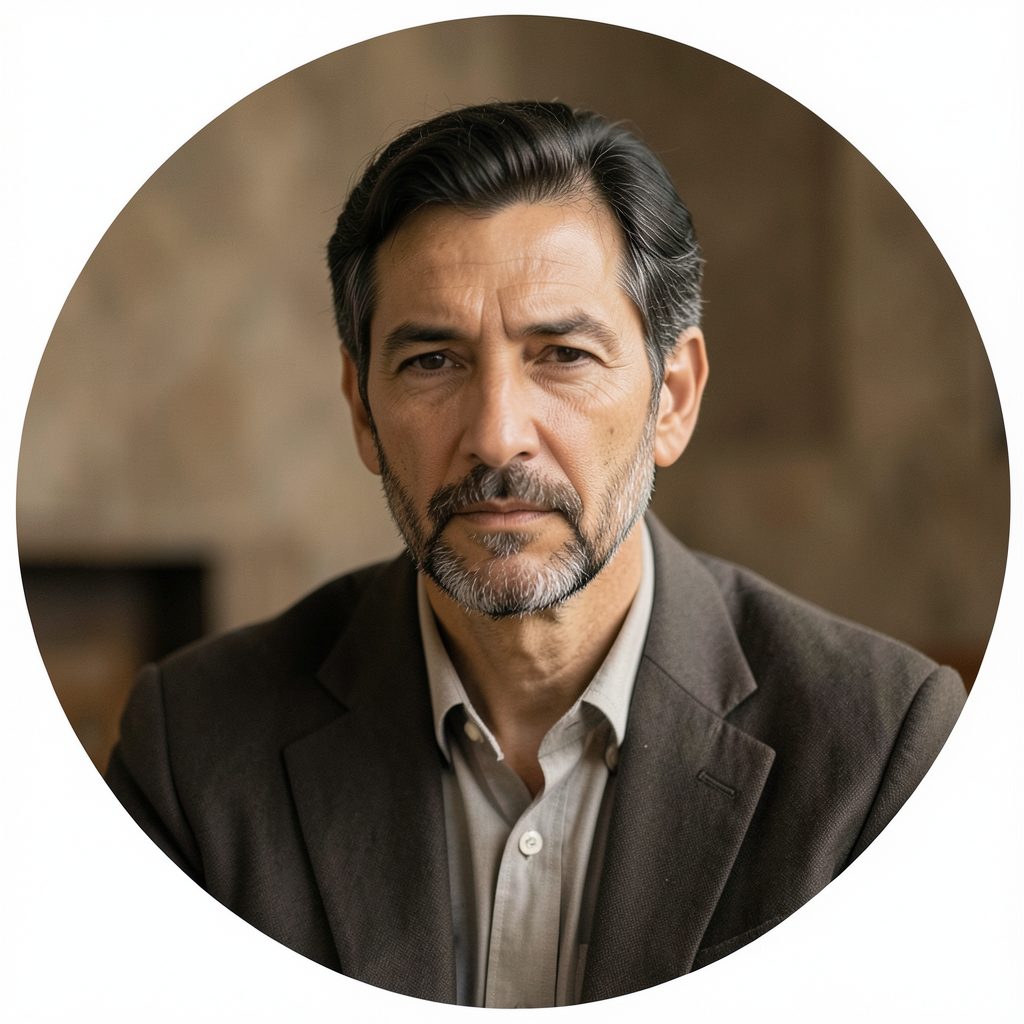
GUESS?, Inc. joined Fundación Ana Bella and Peace Over Violence in Barcelona to kick off #DenimDay Europe. Paul Marciano, Co-founder and Creative Director of GUESS?, Inc., delivered a keynote speech. Elsa Pataky served as the official #DenimDay Spain Ambassador, with fashion blogger Honey Dressing also in attendance. DenimDay was observed on May 27, 2016 in Europe and April 27, 2016 in North America.
Get in Touch
Questions about past events, campaigns, or the GUESS Journal? Reach out and we'll get back to you.