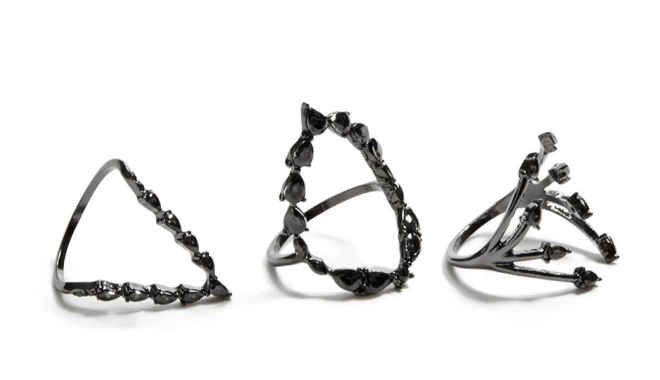
 Campaigns & Style
 In-Store Events
 Sweepstakes & Perks
Where GUESS Style Comes to Life
The lifestyle blog and event hub for GUESS and Marciano — featuring campaign launches, in-store celebrations, sweepstakes, and style editorials from the world of GUESS.
"Because some things never go out of style." — Celebrating the GUESS + Marciano Spring '18 Campaign
Inside the Creative Process Behind a Campaign Art Director
A fashion campaign begins long before the camera is raised. Behind every striking image is a creative system that connects the collection, the season, the audience, and the world a brand wants to build around its clothes. The campaign art director helps shape that system, turning an early idea into a visual language that can live across photography, video, social media, retail, and editorial storytelling.
The role sits at the intersection of imagination and organization. It involves identifying the emotional center of a campaign, then making hundreds of decisions that support it: location, lighting, casting, wardrobe, props, color, pacing, typography, and image selection. The strongest creative direction feels effortless because the planning is thorough.
For a fashion house such as GUESS and Marciano, that process must balance recognizable brand codes with a sense of discovery. Familiar denim, polished tailoring, statement accessories, and seasonal knitwear can appear in fresh settings when the creative team understands what should remain consistent and what can evolve.
Finding The Campaign Idea
The first stage is often a conversation rather than a moodboard. The art director studies the collection, the campaign brief, the target audience, and the commercial priorities. A spring story may need to feel optimistic and energetic, while an evening-focused launch may call for intimacy, confidence, and cinematic glamour. The concept has to express the clothing without reducing it to a product display.
Research helps give the idea texture. The creative team may look at cinema, architecture, music, travel, archival photography, street style, and contemporary art. These references are not copied directly. They help define a point of view: perhaps a sun-washed road trip, a sharply tailored city night, or a relaxed gathering shaped by warm light and spontaneous movement.
An art director then turns that point of view into a concise creative proposition. This statement can guide the entire production. If the campaign is about confident movement, the styling, location, casting, and photography should all support motion. If it is about refined ease, the visual treatment may use quieter gestures, clean composition, and a controlled palette.
Building A Visual Language
A campaign concept becomes useful when it can be translated into visual rules. The art director may define a color family, image ratio, lighting direction, level of contrast, and relationship between close-up portraits and full-length looks. These decisions create consistency without making every frame appear identical.
Moodboards are valuable because they allow collaborators to see the atmosphere before production begins. A strong board can include fabric details, architectural surfaces, references for expression, examples of movement, and notes on how a garment should be experienced. It is less a collage of pretty images than a shared vocabulary for the photographer, stylist, set designer, hair and makeup team, and production crew.
The clothing remains central throughout this process. A layered look has a different visual rhythm from a single statement piece, and structured tailoring communicates differently from soft knitwear. For a closer look at proportion, texture, and seasonal styling, the creative team can draw from Marciano layering ideas while considering how each outfit will move in front of the lens.
From Casting To Set Design
Casting is one of the most important forms of art direction because models bring the campaign’s emotional world to life. The right casting decision is not based on appearance alone. Presence, movement, individuality, and the ability to communicate a mood all affect how the audience reads an image. A campaign can feel polished while still retaining personality when the casting reflects the intended energy.
The art director works closely with the casting team to consider the full ensemble. Different faces, ages, backgrounds, and types of expression can make a campaign feel more expansive and relevant. The goal is to create a group that belongs in the same visual universe while allowing each person to retain a distinct identity.
Location and set design then provide the environment for that identity. A real location may offer texture and spontaneity, while a constructed set gives the team precise control over color, scale, and movement. Materials such as reflective metal, textured plaster, glass, denim, or soft upholstery can echo details in the collection and make the setting feel connected to the clothes.
Directing The Image On Set
On the shoot day, the campaign art director acts as a visual editor in real time. The role requires close attention to how the garments sit, how the light falls across a texture, and whether the frame communicates the idea established during pre-production. Small adjustments can transform the image: a changed shoulder angle, a different distance between subjects, or a shift in the position of a jacket sleeve.
Collaboration is essential. The photographer controls the technical and compositional language of the camera, while the stylist protects the integrity of the looks. The director may guide the overall emotional register, keeping the team focused when a spontaneous moment opens an unexpected direction. The best sets leave room for instinct without losing the campaign’s central point of view.
This is also where motion becomes important. Even a still image benefits from a sense of before and after. A turning body, a lifted chin, a moving coat, or a natural interaction can make the audience imagine the story beyond the frame. For video and social content, the same principle expands into pacing, transitions, sound, and performance.
How The Process Moves From Idea To Execution
| Creative stage | Primary question | Main collaborators | Visible result |
|---|---|---|---|
| Brief and research | What should the audience feel and remember? | Brand, marketing, creative leadership | Campaign direction |
| Concept development | What story can express the collection? | Art director, copywriter, strategist | Creative proposition and references |
| Pre-production | How will the idea exist in a real environment? | Photographer, stylist, casting, production | Shot list, locations, set, talent |
| Shoot direction | Does each frame support the visual language? | Full image and video crew | Photography and moving-image assets |
| Post-production | How can the strongest material become more precise? | Retouchers, editors, designers | Final selects and approved treatments |
| Brand rollout | Where and how will the campaign meet its audience? | Retail, digital, social, editorial teams | Integrated campaign experience |
The advantage of a defined process is flexibility. When the team knows what the campaign needs to communicate, it can recognize valuable surprises without allowing the work to lose focus. A candid gesture or unusual angle may become a hero image if it strengthens the story rather than distracting from it.
The creative process also has a practical dimension. Deliverables must be planned for different formats, from large-format retail graphics to vertical social clips and product detail images. The art director considers these applications early so that the final campaign feels connected wherever it appears.
Shaping The Final Edit
Post-production is not simply a technical finishing stage. It is where the campaign’s rhythm becomes clear. The art director reviews contact sheets, tests image sequences, and compares frames for consistency in expression, composition, color, and garment presentation. A beautiful photograph may still be removed if it breaks the flow of the broader story.
Color grading can reinforce the original concept. Warm tones may add intimacy, cooler shades can create a modern edge, and controlled contrast can make denim, leather, satin, or knitwear read with greater depth. Retouching should preserve the character of the subject while refining distractions and maintaining the credibility of the clothing.
Typography and graphic elements enter the conversation at this point as well. A logo treatment, campaign line, or framing device must support the imagery rather than compete with it. The final edit should feel considered across every touchpoint, from a hero photograph in a store to a short-form video viewed on a phone.
A campaign also becomes part of a larger brand ecosystem. The editorial voice, retail presentation, event materials, email creative, and digital experience should carry recognizable elements of the same idea. The GUESS Journal story offers useful context for how fashion storytelling, events, and customer engagement can work together within that wider ecosystem.
Turning Campaign Energy Into Experience
A compelling campaign does not end when the images are approved. Its visual language can guide in-store installations, launch events, private appointments, social content, and loyalty communications. Art direction helps create continuity so the audience encounters the same mood through different formats and settings.
Retail activations provide a particularly direct expression of the campaign world. Lighting, music, fixtures, signage, staff styling, and product arrangement can extend the atmosphere created on set. The objective is to make the customer feel that the campaign is something they can enter, rather than an image that exists at a distance.
Events for loyal customers require a related kind of sensitivity. They need to feel special while remaining connected to the brand’s everyday style. Coverage of a private shopping event can show how personal service, product discovery, and carefully shaped surroundings turn a fashion launch into a memorable experience.
Principles That Keep Creative Direction Strong
A successful campaign art director protects the idea while staying attentive to the audience, the product, and the practical realities of production. These principles help keep the work distinctive and useful:
- Begin with a clear emotional idea that can guide every visual decision.
- Let the clothing influence the setting, movement, lighting, and composition.
- Build a reference system that gives every collaborator the same creative vocabulary.
- Leave room for authentic gestures and unexpected moments during the shoot.
- Plan the campaign across retail, editorial, social, video, and event environments from the start.
The discipline behind art direction is often invisible in the finished image. Viewers see a confident pose, an inviting color palette, or a perfectly balanced frame; they may not see the discussions, tests, revisions, fittings, and technical choices that made it possible. That hidden structure is what allows a campaign to feel immediate.
For GUESS and Marciano, the most effective visual stories connect aspiration with participation. They show how a collection looks, but they also suggest how it might move through a person’s life: layered for a city afternoon, sharpened for an evening event, or discovered during a personal shopping experience. The art director gives that possibility a recognizable shape.
Explore the latest GUESS Journal fashion stories, campaign updates, and brand experiences to see how creative direction continues from the studio into the world. Discover the images, styling ideas, and events that bring each season’s visual story to life.
Campaigns
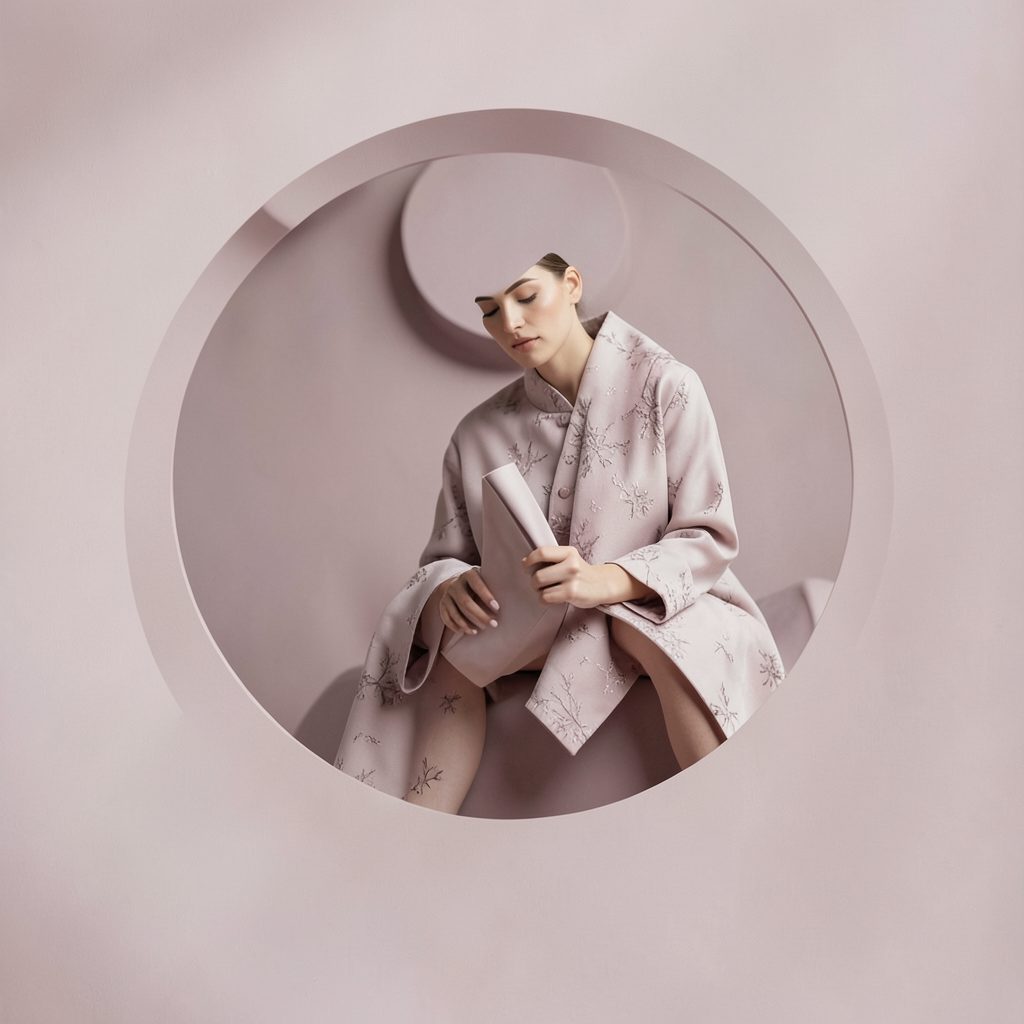
From the GUESS Summer 2017 campaign to the Jennifer Lopez x GUESS + Marciano Spring '18 collection, GUESS Journal showcased seasonal advertising and celebrity collaborations. Charlotte McKinney, a #GUESSGirl, shared her spring shopping list — every piece under $100 — as seen on E! News. The Marciano Pre-Fall 2017 collection brought runway-inspired trends to stores with a three-day fashion event.
In-Store Events
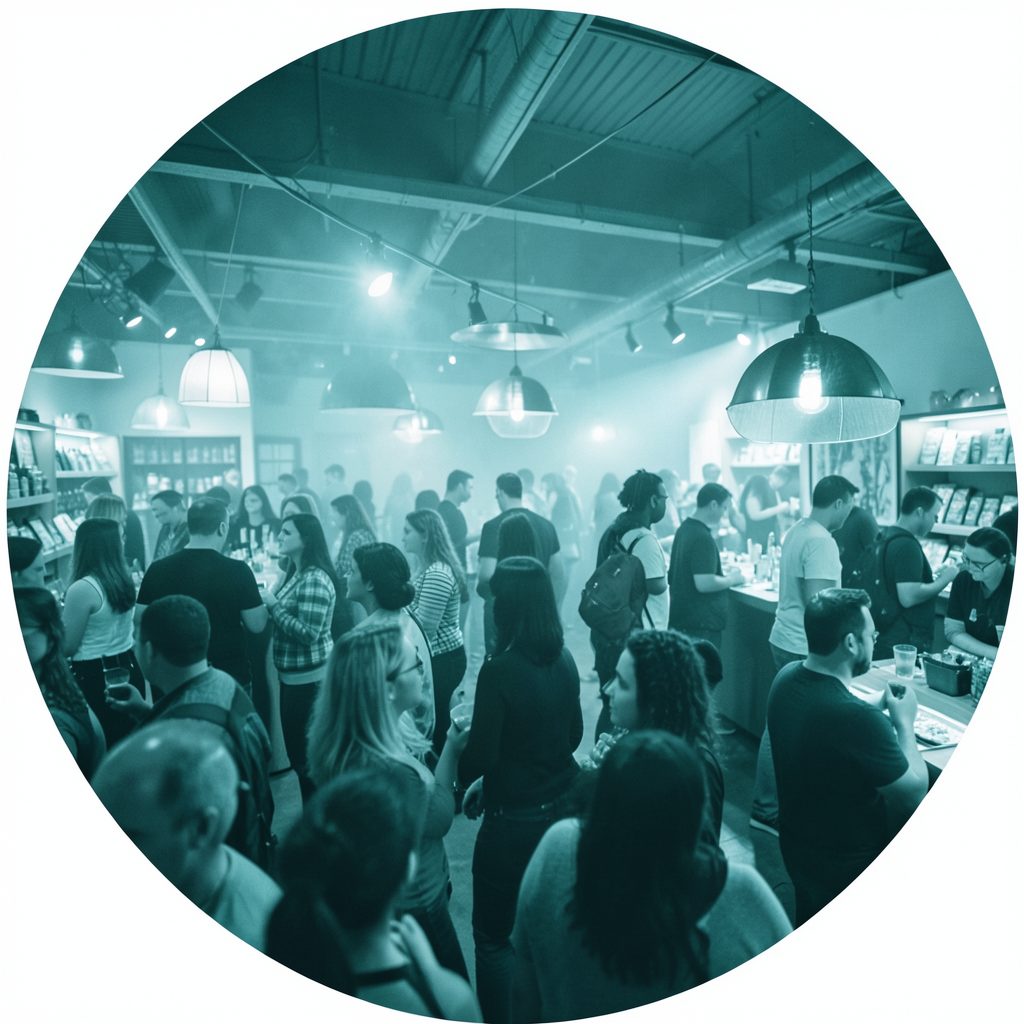
GUESS and Marciano stores hosted memorable events across the US and Canada. The Chasing the Sun Events on June 9, 2018 featured live DJs, in-store treats, and a Ping Pong Paddle Set for GUESS List members with a $125+ purchase. Marciano Summer Store Events offered VIP treatment, sweets by Sugarfina, sparkling sips, triple points, and a custom embroidered straw beach hat with a $200+ purchase.
#DenimDay Europe
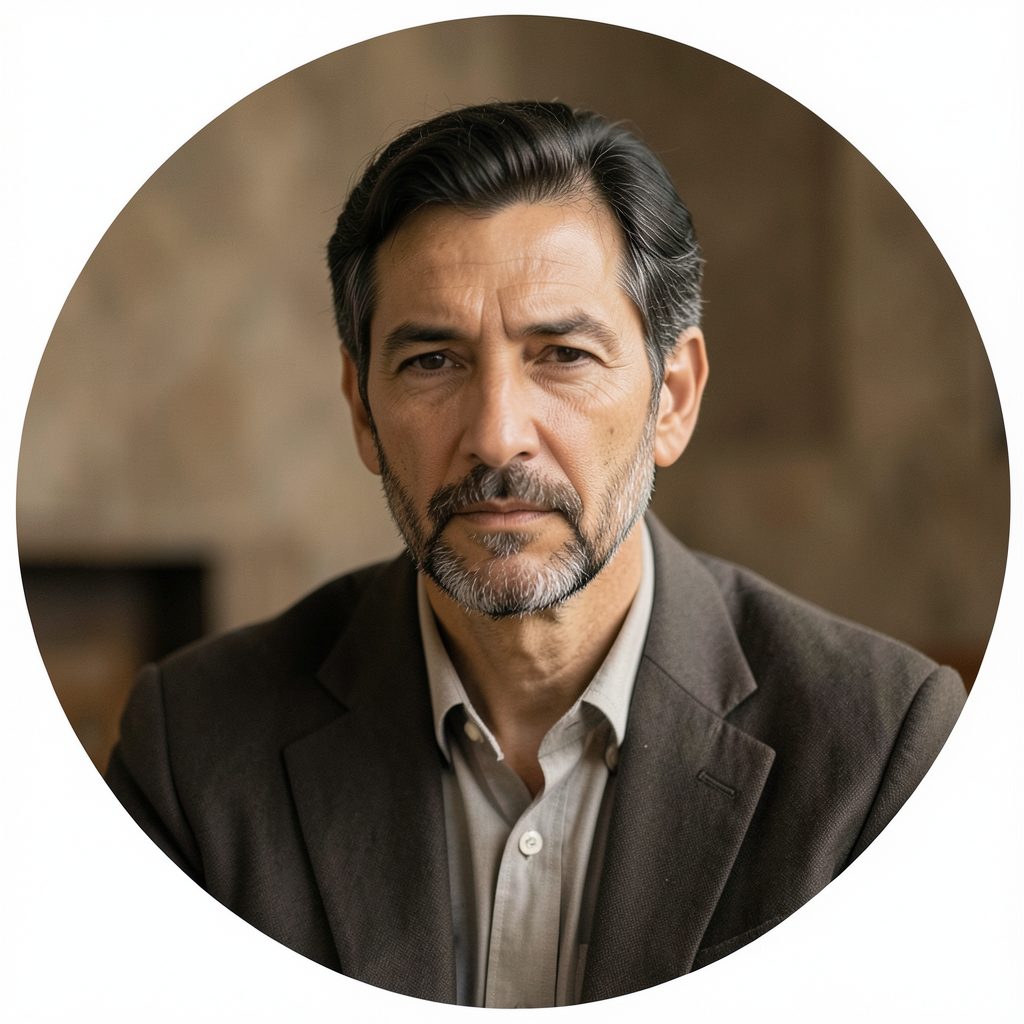
GUESS?, Inc. joined Fundación Ana Bella and Peace Over Violence in Barcelona to kick off #DenimDay Europe. Paul Marciano, Co-founder and Creative Director of GUESS?, Inc., delivered a keynote speech. Elsa Pataky served as the official #DenimDay Spain Ambassador, with fashion blogger Honey Dressing also in attendance. DenimDay was observed on May 27, 2016 in Europe and April 27, 2016 in North America.
Get in Touch
Questions about past events, campaigns, or the GUESS Journal? Reach out and we'll get back to you.