 Campaigns & Style
 In-Store Events
 Sweepstakes & Perks
Where GUESS Style Comes to Life
The lifestyle blog and event hub for GUESS and Marciano — featuring campaign launches, in-store celebrations, sweepstakes, and style editorials from the world of GUESS.
"Because some things never go out of style." — Celebrating the GUESS + Marciano Spring '18 Campaign
The Creative Story Behind GUESS Artist Collaborations
A successful fashion collaboration begins long before a campaign appears in a shop window or across a social feed. It starts with a shared point of view: a belief that clothing can carry a mood, a memory or a visual signature. For GUESS, working with a renowned artist creates space for that belief to become tangible through denim, accessories, campaign imagery and carefully staged brand experiences.
The story is also about translation. An artist’s language must move from studio walls into everyday wardrobes without losing its character, while the brand’s heritage has to remain recognisable in a fresh setting. For Australian audiences, that conversation feels especially relevant, from Melbourne’s laneway galleries to Sydney’s coastal street style. Readers can follow the latest campaigns, events and fashion stories through the GUESS Journal editorial platform.
Where Fashion Meets An Artist’s Point Of View
The most compelling artist partnerships are built around a natural creative connection rather than a decorative logo exercise. GUESS brings a strong visual history shaped by denim, sharp silhouettes, glamour and a sense of movement. The artist contributes a distinct way of seeing: perhaps a fascination with colour, repetition, portraiture, graphic marks or the contrast between polished surfaces and imperfect human details.
That exchange gives the collaboration its emotional centre. A denim jacket may become a canvas for a bold hand-rendered motif, while a campaign image can borrow the artist’s use of shadow, framing or exaggerated scale. The result feels considered because the artwork is part of the design language, not an afterthought placed on top of an existing product.
This kind of project also reflects how fashion is consumed now. Customers look for pieces with a story they can share, style and reinterpret. A limited-edition item can work at a gallery opening, a weekend lunch in Fitzroy or a late afternoon near Bondi Beach. Its value comes from the relationship between the garment and the wider creative world surrounding it.
For GUESS, the artist’s perspective can refresh familiar codes without erasing them. The question is not how to make the brand look completely different. It is how to make its recognisable energy feel newly discovered.
From Studio Concept To Wearable Collection
The creative process usually develops through conversation, reference gathering and a willingness to test ideas. Early discussions may explore the artist’s influences, the brand’s archive, the intended audience and the balance between statement pieces and everyday essentials. Mood boards, fabric swatches and campaign references help turn an abstract idea into a shared visual direction.
Material selection matters because artwork changes when it moves from paper or canvas onto fashion. Denim absorbs colour differently from coated fabric. Embroidery introduces texture and weight. A printed image may need to be simplified so it remains clear on a curved handbag or a small accessory. These practical choices are part of the artistic process, ensuring the final garment looks intentional rather than compromised.
There is also a careful editing stage. A collaboration may generate dozens of sketches, but only a smaller group will become part of the collection. The strongest designs tend to have a clear visual rhythm: a placement that works from a distance, a detail that rewards a closer look and a shape that remains easy to wear.
For Australian shoppers, versatility is particularly important. A statement denim piece must work across changing conditions, from a cool Melbourne morning to a warm Brisbane evening. Lightweight layers, relaxed fits and accessories that travel easily can help the artistic details become part of real wardrobes rather than special-occasion costumes.
The Creative Choices That Shape The Final Look
The finished collection is often the result of several decisions working together. Colour establishes the first impression, while proportion controls how expressive or understated a piece feels. A saturated artwork may be balanced with a familiar five-pocket jean, or a restrained tonal graphic may appear on a more directional silhouette.
The following comparison shows how different creative treatments can influence the way a collaboration is experienced:
| Creative treatment | Effect on the garment | Best styling direction | Australian wardrobe context |
|---|---|---|---|
| Hand-drawn graphic | Feels personal, expressive and visually immediate | Pair with clean basics to let the artwork lead | Works well with denim, sneakers and relaxed weekend dressing |
| Tonal embroidery | Adds depth without overwhelming the base fabric | Layer with tailored pieces or neutral knitwear | Suitable for cooler southern-city seasons |
| Reworked archival print | Connects the project to brand history | Mix vintage-inspired pieces with modern accessories | Appeals to shoppers who enjoy retro fashion with a current finish |
| Bold colour blocking | Creates a strong statement and photographic impact | Keep the rest of the look simple | Suits festival styling, resort dressing and summer events |
| Small-format motif | Offers a subtle entry point into the collaboration | Wear repeatedly with everyday outfits | Practical for handbags, caps and compact accessories |
The best pieces create more than a single styling solution. A graphic shirt might be worn under a structured blazer for a city look, then paired with loose trousers for a relaxed arvo gathering. A decorated tote can carry the visual identity of the project while remaining useful for a market visit, a train commute or a day at the beach.
Photography then adds another layer of meaning. The campaign may place the collection in an environment that echoes the artist’s work, using a studio, an architectural setting or a busy urban location. In Australia, a campaign with strong light and open space can feel particularly resonant, whether it recalls Sydney’s harbour brightness, Perth’s clear western skies or the textured streetscapes of Melbourne.
Why The Collaboration Matters To The Brand
A brand and artist partnership can broaden the way people understand a fashion label. Existing customers may appreciate a new interpretation of familiar GUESS signatures, while art and design audiences may encounter the brand through a different cultural entry point. That crossover is valuable because it creates a conversation around ideas, not just products.
The partnership also supports a more layered form of storytelling. The artist’s biography, working methods and visual references give editorial content greater depth. Interviews, behind-the-scenes photographs, launch events and styling features can show how the collection developed from an initial sketch into a finished piece.
Retail spaces play an important role in that story. A store installation can use large-scale imagery, special window treatments or tactile displays to make the collaboration feel present in the physical world. For shoppers in Australia, an in-store event in Sydney, Melbourne or the Gold Coast can turn a product launch into a social experience rather than a quick transaction.
Digital content extends the moment beyond the shop floor. Short videos can show the artist at work, while editorial photography can reveal details that may be missed in a fast social post. A strong campaign gives people several ways to engage: discovering the inspiration, seeing the craft, styling the collection and finding the nearest retail experience.
The commercial side remains important, of course, but scarcity should support meaning rather than replace it. A limited release feels more compelling when customers understand why the pieces are distinctive and how the artist’s contribution shaped the result.
A Shared Story That Travels Across Markets
International collaborations need enough flexibility to speak to different places. The central creative idea must remain consistent, yet the way it appears in local content can reflect regional habits and expectations. Australia’s fashion market rewards pieces that can move between settings, especially in cities where work, dining, culture and outdoor life often overlap in a single day.
Seasonality is another factor. Australian customers experience summer during the Northern Hemisphere winter, so campaign timing and product emphasis may need local consideration. Linen-weight layers, sunglasses, graphic tees and easy denim can carry an artist’s visual language through warmer months, while denim jackets and knitwear become more relevant as temperatures fall in Melbourne, Adelaide and Canberra.
Local retail behaviour is equally diverse. A customer in Sydney may discover the collaboration through a flagship store or a weekend shopping trip, while someone in regional New South Wales may rely on online content and delivery. A shopper in Brisbane may want breathable styling for humid weather, whereas a customer in Hobart may look for layered pieces that suit cooler conditions. Clear product information and flexible styling imagery help the story travel across those differences.
Events can make the collaboration feel immediate. Pop-up displays, artist appearances, launch evenings and special shopping moments invite people to experience the collection with others. They also encourage the kind of natural content that audiences share themselves: a detail photographed in a store, a favourite piece tried on, or a campaign image discovered while exploring a city precinct.
Community-focused initiatives add another dimension to fashion storytelling. GUESS has used brand platforms to connect audiences with denim, creativity and participation, and the Denim Day Europe story offers an example of how a fashion-led message can sit within a broader cultural conversation. For an Australian audience, that model suggests how local activations could combine product, purpose and an accessible in-person experience.
How To Read The Details In The Campaign
When viewing an artist collaboration, it helps to look beyond the headline image. Notice where the artwork appears and where it does not. A motif placed on a pocket may create a quiet signature, while a full back panel turns the garment into a moving poster. The decision tells you how the designers imagined the piece being worn and seen.
Look closely at the relationship between old and new. Archival GUESS references might appear through a familiar wash, a logo treatment, a sharply cut silhouette or a campaign pose that recalls earlier decades. The artist’s contribution can disrupt that history through unusual colour, altered scale or a more personal visual mark.
Styling provides another clue. If the campaign combines embellished denim with simple footwear and minimal jewellery, the focus is likely on the artwork’s clarity. If it layers prints, metallic finishes and bold accessories, the message may be about exuberance and performance. Neither approach is prescriptive; each shows how the collaboration can be interpreted.
The strongest pieces leave room for personal use. Australian style often favours a relaxed confidence, whether that means pairing a statement jacket with black activewear, wearing a graphic top with tailored shorts or taking a polished bag from the office to a rooftop dinner. The artist’s vision becomes most successful when customers can make it their own without losing the original character.
That is the lasting appeal of the project: it turns a garment into a meeting point between brand heritage, contemporary art and individual expression. The story continues each time someone wears the piece in a new city, combines it with a different texture or gives it a place in an everyday routine.
Explore the latest GUESS and Marciano fashion stories, campaign moments and event news on GUESS Journal, then discover the collaboration pieces and creative details that speak to your own style. Share the story in store, online or through the way you wear it.
Campaigns
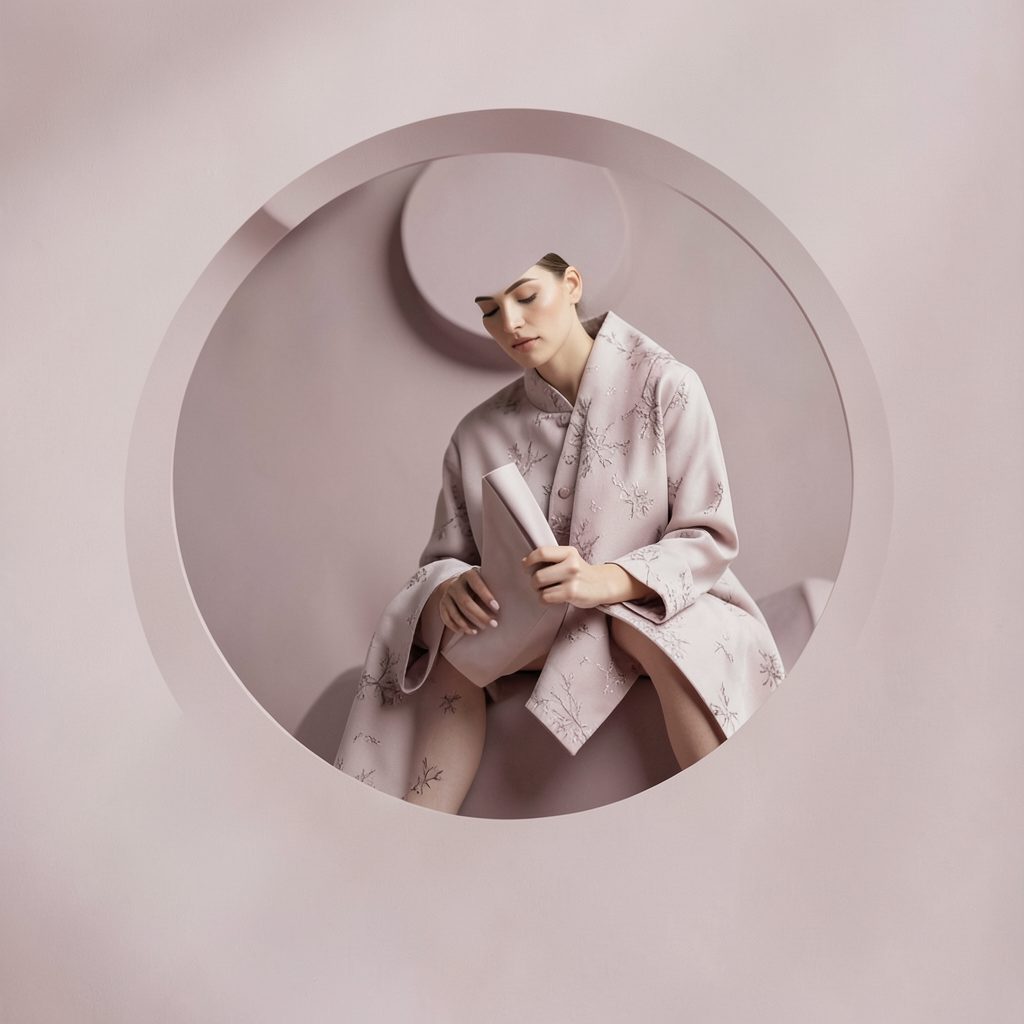
From the GUESS Summer 2017 campaign to the Jennifer Lopez x GUESS + Marciano Spring '18 collection, GUESS Journal showcased seasonal advertising and celebrity collaborations. Charlotte McKinney, a #GUESSGirl, shared her spring shopping list — every piece under $100 — as seen on E! News. The Marciano Pre-Fall 2017 collection brought runway-inspired trends to stores with a three-day fashion event.
In-Store Events
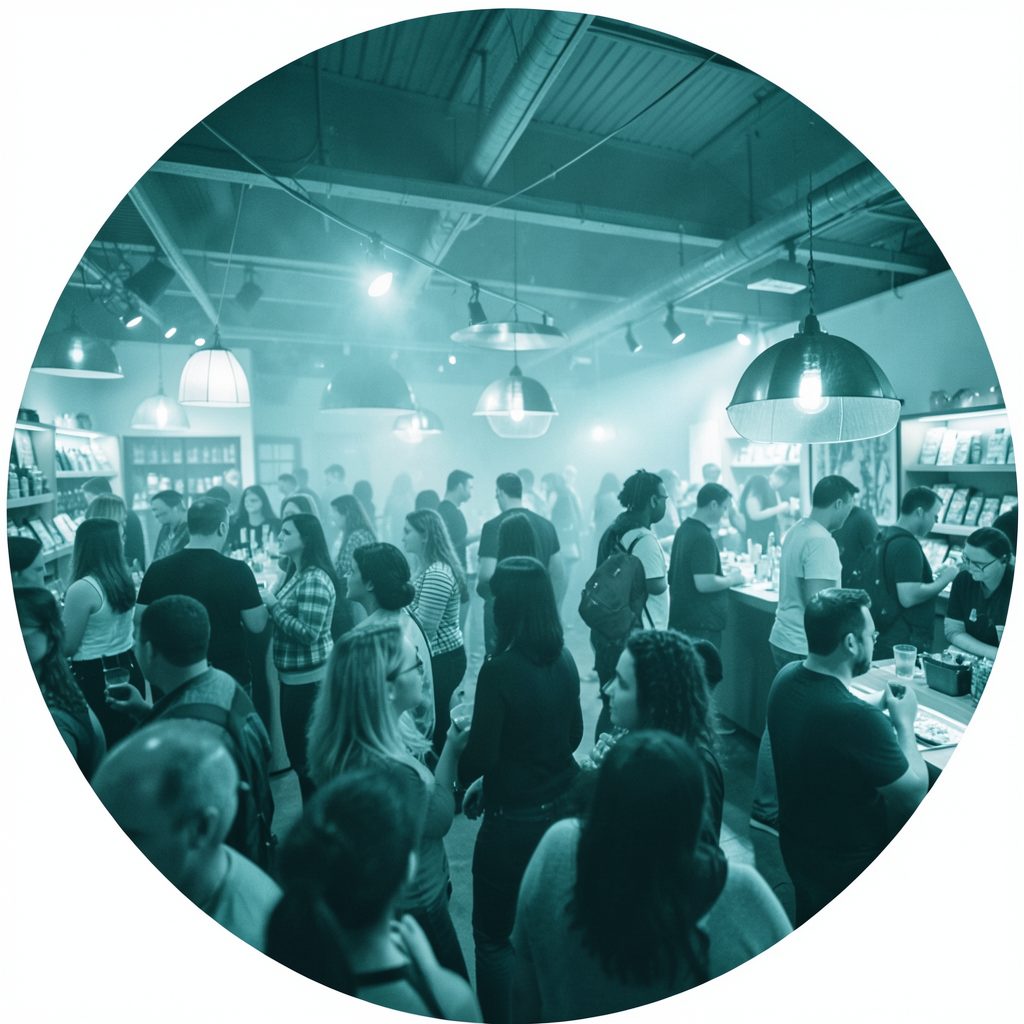
GUESS and Marciano stores hosted memorable events across the US and Canada. The Chasing the Sun Events on June 9, 2018 featured live DJs, in-store treats, and a Ping Pong Paddle Set for GUESS List members with a $125+ purchase. Marciano Summer Store Events offered VIP treatment, sweets by Sugarfina, sparkling sips, triple points, and a custom embroidered straw beach hat with a $200+ purchase.

#DenimDay Europe
GUESS?, Inc. joined Fundación Ana Bella and Peace Over Violence in Barcelona to kick off #DenimDay Europe. Paul Marciano, Co-founder and Creative Director of GUESS?, Inc., delivered a keynote speech. Elsa Pataky served as the official #DenimDay Spain Ambassador, with fashion blogger Honey Dressing also in attendance. DenimDay was observed on May 27, 2016 in Europe and April 27, 2016 in North America.
Get in Touch
Questions about past events, campaigns, or the GUESS Journal? Reach out and we'll get back to you.