 Campaigns & Style
 In-Store Events
 Sweepstakes & Perks
Where GUESS Style Comes to Life
The lifestyle blog and event hub for GUESS and Marciano — featuring campaign launches, in-store celebrations, sweepstakes, and style editorials from the world of GUESS.

"Because some things never go out of style." — Celebrating the GUESS + Marciano Spring '18 Campaign
Behind GUESS’s first eco-friendly denim story
Denim has always carried a sense of movement. It belongs on city streets, at music venues, on weekend drives and during the everyday rush between work, errands and social plans. For GUESS, creating an eco-conscious denim line meant preserving that energy while examining every decision behind a familiar pair of jeans.
The story begins with a simple question: how can a wardrobe staple feel desirable while using resources more thoughtfully? The answer is found in the relationship between fabric, fit, finishing, manufacturing and wear. Sustainability is not treated as a separate look; it is woven into the design process from the first sketch to the moment a customer reaches for the jeans again.
That approach is especially relevant in Australia, where denim needs to work across very different settings. A Melbourne customer may style a relaxed jean with layers through a cool morning, while someone in Brisbane may prioritise lighter-weight fabric and breathable proportions. In Sydney, a pair has to move easily from a weekday commute to an evening out, and across the country, line drying is a practical habit that can help garments last longer.
The first eco-friendly denim line reflects a broader shift in fashion: customers want the attitude, confidence and versatility associated with GUESS, while paying closer attention to materials and impact. Its development brings together creative direction, technical experimentation and a more considered view of what makes denim worth keeping.
| Design consideration | Conventional denim approach | Eco-conscious denim approach |
|---|---|---|
| Fibre selection | Primarily conventional cotton | Greater use of preferred or recycled fibres where suitable |
| Washing and finishing | High water and chemical demands can occur | Lower-impact processes are prioritised and assessed |
| Product lifespan | Trend-led purchase decisions | Fit, versatility and repeat wear guide design |
| Care at home | Frequent washing may shorten life | Cold washing, airing and line drying support longevity |
| Brand communication | Broad sustainability language | Specific, clear information helps customers judge claims |
The idea behind the collection
The creative starting point was not to make denim look visibly “green”. Instead, the aim was to retain the distinctive character that makes a GUESS jean recognisable: confident silhouettes, expressive washes, flattering construction and the ability to become part of a personal uniform. Eco-conscious design had to support those qualities rather than compete with them.
This required looking closely at the complete life of the garment. A pair of jeans is shaped by the fibre it begins with, the dyeing and washing used to create its colour, the trims attached to it, the energy consumed during production and the way it is cared for after purchase. Each stage offers an opportunity to reduce waste or improve efficiency, although every change must still meet expectations for comfort, durability and appearance.
The result is a line built around balance. A lower-impact fabric is valuable when it also feels good, holds its shape and responds well to everyday styling. A reduced-water finishing process matters when it creates a convincing wash without sacrificing the depth and texture denim lovers expect. Sustainability becomes meaningful when it survives contact with real wardrobes.
For an Australian audience, that versatility has practical value. Denim may be worn with sneakers and a cotton tee in Perth, layered with knitwear in Hobart or styled with boots during a cooler Sydney evening. Pieces that work across seasons and occasions are more likely to earn regular wear, reducing the temptation to replace them quickly.
Rethinking the fabric and finish
Cotton remains central to the identity of denim, but the line’s development considers how fibre choices can be made more responsibly. Depending on the garment, this can include preferred cotton sources, recycled content or blends selected for durability and hand feel. The objective is not to use a material simply because it sounds progressive; it must perform through movement, washing and time.
The finishing stage is equally important. Traditional denim character often comes from repeated washing, abrasion and colour treatment. Those processes can consume significant amounts of water and energy, so the design and production teams examine ways to achieve the same visual depth with less resource intensity. Laser technology, more efficient washing systems and carefully controlled chemical applications are examples of tools that can help create a familiar finish with a lighter footprint.
A responsible process also demands restraint. The most sustainable wash is not necessarily the most dramatic one, particularly if heavy distressing weakens the fabric or encourages a shorter product life. A carefully placed fade or softened edge can express the GUESS aesthetic while keeping the garment structurally sound.
The same thinking applies to trims and construction. Buttons, rivets, thread, labels and packaging all contribute to a product’s impact. Streamlining unnecessary components, selecting recycled or lower-impact options where appropriate and improving production accuracy can reduce waste without changing the attitude of the finished piece.
Designing for real wardrobes
Eco-friendly denim becomes more persuasive when it is easy to wear repeatedly. The line therefore focuses on the elements customers notice immediately: a comfortable rise, a reliable waistband, useful pockets, movement through the seat and leg, and washes that can be dressed up or down. These details help a pair of jeans move beyond a single-season trend.
Fit is also a sustainability consideration. When a customer finds a silhouette that feels right, the garment has a stronger chance of becoming a long-term favourite. A straight leg can work with a cropped jacket and trainers, while a slim or bootcut shape may shift naturally into evening dressing. Versatile proportions allow one piece to serve several styling purposes.
Australian retail habits make this especially relevant. Customers often shop with climate and lifestyle in mind, choosing pieces that can handle warm afternoons, sudden changes in temperature and long days away from home. In regional areas, a versatile wardrobe can be even more practical because each purchase may need to work across work, travel and social occasions rather than for one narrowly defined setting.
The collection’s story also connects with how people discover fashion now. A customer might first see a campaign on a phone, try on a style in a GUESS store in Melbourne or Sydney, and then build the piece into a wardrobe that includes vintage finds and local independent labels. That combination of global brand energy and personal styling is central to making responsible denim feel relevant rather than instructional.
Making environmental claims clearer
A credible sustainability story depends on precision. Terms such as “eco-friendly”, “responsible” and “conscious” can be appealing, but they need to be supported by understandable information about fibres, processes and product scope. In Australia, the Australian Consumer Law makes misleading environmental representations unlawful, which places real importance on accurate communication.
The line’s story is strongest when it explains what has changed and what has not. A garment may use a preferred fibre but still rely on conventional elements elsewhere in its construction. A lower-water wash may reduce resource use at one stage without making the entire product impact-free. Clear language respects customers and avoids suggesting that any fashion product has no environmental cost.
Supply-chain transparency is part of that conversation. Australia’s Modern Slavery Act 2018 has increased attention on how large businesses report risks in their operations and supply chains. While reporting requirements apply to qualifying entities, the wider effect is cultural: brands, retailers and customers are paying closer attention to labour conditions, traceability and accountability.
For shoppers, this means looking beyond a swing tag. Details about composition, care and origin can help customers make informed decisions, while brand storytelling can show how the product was developed without turning sustainability into a vague marketing promise. The broader GUESS Journal story provides context for the platform’s role in sharing brand news, style and customer-facing experiences.
Extending the life of every pair
The environmental value of a denim garment does not stop at the point of sale. Care at home can influence how long the fabric keeps its colour, shape and strength. Washing jeans less frequently, airing them between wears and using a cold, gentle cycle can reduce unnecessary stress on the fibres. Line drying, a familiar practice in many Australian households, also avoids the heat and energy of a tumble dryer.
Care instructions should be treated as part of the design story rather than an afterthought. Turning denim inside out can help protect the surface, while avoiding excessive detergent may preserve the finish. When a garment eventually needs attention, a small repair, replacement button or professional alteration can be preferable to immediate disposal.
End-of-life planning is becoming more important as Australia considers ways to address textile waste. Kerbside recycling systems generally are not designed for clothing, so unwanted jeans should not automatically be placed in the household recycling bin. Donation, resale, repair services and textile collection programs may offer better options, provided the garment is clean and suitable for the intended pathway. The national Seamless clothing stewardship scheme has also brought greater public attention to keeping textiles in use and reducing landfill.
The collection’s longer view is therefore practical: make a compelling product, communicate its attributes honestly and give customers useful ways to care for it. A pair of jeans earns its place in a wardrobe through repeated wear, personal memories and adaptability. That is where an eco-conscious design story becomes tangible.
The launch also sits within GUESS’s larger fashion conversation, where campaigns, collaborations and retail experiences connect clothing with culture. Readers can follow the JLO x GUESS launch to see how a strong visual identity can support a wider story about confidence, movement and modern style.
Discover the denim line through the fit, finish and details that make each piece distinctive, then choose the silhouette that suits your everyday life. Wear it often, care for it thoughtfully and let its story develop through the places, seasons and occasions that make your wardrobe your own.

Campaigns
From the GUESS Summer 2017 campaign to the Jennifer Lopez x GUESS + Marciano Spring '18 collection, GUESS Journal showcased seasonal advertising and celebrity collaborations. Charlotte McKinney, a #GUESSGirl, shared her spring shopping list — every piece under $100 — as seen on E! News. The Marciano Pre-Fall 2017 collection brought runway-inspired trends to stores with a three-day fashion event.
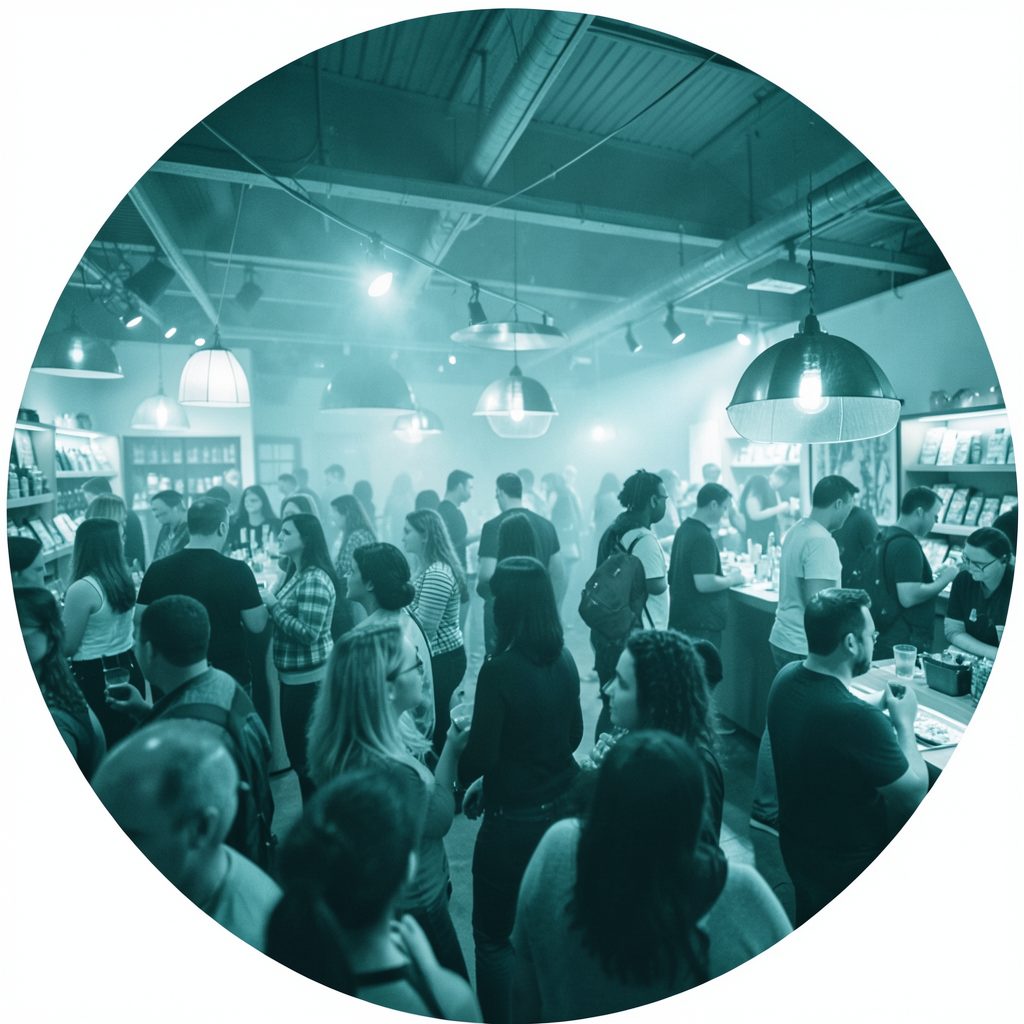
In-Store Events
GUESS and Marciano stores hosted memorable events across the US and Canada. The Chasing the Sun Events on June 9, 2018 featured live DJs, in-store treats, and a Ping Pong Paddle Set for GUESS List members with a $125+ purchase. Marciano Summer Store Events offered VIP treatment, sweets by Sugarfina, sparkling sips, triple points, and a custom embroidered straw beach hat with a $200+ purchase.

#DenimDay Europe
GUESS?, Inc. joined Fundación Ana Bella and Peace Over Violence in Barcelona to kick off #DenimDay Europe. Paul Marciano, Co-founder and Creative Director of GUESS?, Inc., delivered a keynote speech. Elsa Pataky served as the official #DenimDay Spain Ambassador, with fashion blogger Honey Dressing also in attendance. DenimDay was observed on May 27, 2016 in Europe and April 27, 2016 in North America.
Get in Touch
Questions about past events, campaigns, or the GUESS Journal? Reach out and we'll get back to you.