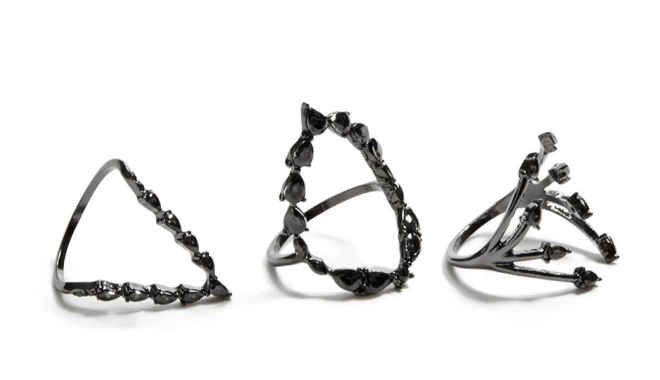
 Campaigns & Style
 In-Store Events
 Sweepstakes & Perks
Where GUESS Style Comes to Life
The lifestyle blog and event hub for GUESS and Marciano — featuring campaign launches, in-store celebrations, sweepstakes, and style editorials from the world of GUESS.
"Because some things never go out of style." — Celebrating the GUESS + Marciano Spring '18 Campaign
Behind The Scenes Of A Retro-Inspired Photoshoot
A retro-inspired photoshoot begins long before the first flash fires. It starts with a visual direction: a particular decade, a cinematic color palette, a confident attitude, and the question of how those references can feel current rather than costume-like. For a GUESS and Marciano editorial, the answer comes through in the balance between polished styling and spontaneous energy.
The finished images may look effortless, but every detail has a role. The location frames the story, the wardrobe defines the character, and the lighting gives familiar pieces a fresh point of view. Even a passing glance or a shift in posture can change the mood of an entire campaign image.
Behind the scenes, the process is collaborative and constantly moving. Stylists, photographers, hair and makeup artists, creative directors, models, and production teams refine the idea together. The result is more than a series of photographs; it is an invitation into a world shaped by denim, glamour, music, and unmistakable GUESS attitude.
Building The Visual Direction
The creative team typically begins with a mood board filled with references: vintage magazine spreads, sun-faded motel signs, classic automobiles, old film stills, and archival fashion details. These references establish the emotional language of the shoot without dictating every frame. A retro mood can be playful, romantic, rebellious, or glamorous, depending on the styling and location.
Color is one of the strongest tools for creating that atmosphere. Warm cream, cherry red, faded blue, espresso brown, and metallic accents can suggest an earlier era while remaining easy to translate into contemporary fashion. Soft grain, direct flash, and carefully chosen shadows add a sense of analog nostalgia, even when the images are captured with modern digital equipment.
The goal is never to recreate the past exactly. Instead, the team selects recognizable visual cues and reshapes them for today. A structured blazer may reference classic tailoring, while a body-skimming dress or low-rise denim brings the look firmly into the present. That tension between memory and modernity gives the editorial its energy.
Styling The Story
Wardrobe provides the clearest connection between the model and the world being imagined. Denim is often the anchor, appearing as sculpted jeans, a cropped jacket, a fitted skirt, or a coordinated set. Its familiar texture photographs beautifully because it can look crisp under studio light and lived-in under natural sun.
Accessories help sharpen the character. Oversized sunglasses, pointed boots, chain details, glossy handbags, and statement belts can turn a simple silhouette into a complete visual statement. Hair and makeup follow the same principle: a swept-back style, defined liner, a polished lip, or softly brushed waves can echo vintage glamour without becoming overly literal.
For practical styling inspiration beyond the set, the date-night styling guide shows how statement pieces can be adapted for real occasions. The same approach applies behind the camera: begin with one strong element, then build around it with texture, proportion, and confident finishing touches.
From Set Design To Final Frame
The location creates an immediate sense of place. A roadside diner, tiled interior, sunlit pool, or textured city corner can make the viewer feel that the campaign belongs to a larger story. Production designers often look for surfaces that interact with light: chrome, glass, lacquer, painted walls, and weathered concrete all bring dimension to a frame.
Props are selected with restraint. A vintage telephone, record player, convertible, or stack of magazines can support the concept, but each object needs to serve the image rather than compete with the clothing. The strongest sets often leave room for movement, allowing the model to walk, lean, turn, or pause naturally.
| Creative Element | Retro Reference | Modern Interpretation | Effect On The Image |
|---|---|---|---|
| Denim | Classic American workwear | Sculpted fits and coordinated sets | Grounds the styling with recognizable texture |
| Flash photography | Late-night nightlife portraits | Crisp highlights and intentional shadows | Adds immediacy and attitude |
| Color palette | Faded film and vintage signage | Saturated accents with clean neutrals | Creates warmth without looking dated |
| Accessories | Statement glamour | Layered, wearable finishing pieces | Defines personality and visual rhythm |
| Location | Motels, diners, city streets | Minimal sets with graphic details | Establishes a cinematic sense of place |
Lighting then decides how all these elements are remembered. A hard flash can make sequins sparkle and denim look sharply defined, while a large soft source creates a dreamier, editorial finish. Sometimes the photographer changes only the angle or intensity of the light to move from a daytime campaign mood into something more nocturnal and dramatic.
Capturing Movement And Attitude
A still image can suggest an entire soundtrack when the model’s movement feels natural. Instead of holding one rigid pose, the subject may adjust a jacket, step toward the camera, turn into the light, or let a handbag swing at the end of an arm. These small actions create visual rhythm and make the clothing feel connected to a real personality.
The photographer and creative director often work in short bursts. A few frames may focus on a direct, confident gaze; the next sequence might explore laughter, motion, or a more relaxed expression. The team watches how fabric responds, how a hemline moves, and how accessories catch the light. A spontaneous gesture can become the defining image of the day.
Music can support that momentum, especially on a set inspired by a particular period. A playlist establishes pace and helps everyone understand the intended attitude. It may encourage a model to move with a little more swagger or give the crew a shared sense of timing. The atmosphere becomes part of the creative process, even when it never appears in the final photograph.
The Details That Make It Feel Real
Hair and makeup are essential to the period influence, but subtlety keeps the result contemporary. A softly sculpted cheek, brushed brow, luminous skin, or precisely defined eye can provide the right reference without overpowering the garments. The team may make small changes between looks so that every image feels related yet distinct.
Nails, jewelry, and even the finish of the skin receive careful attention because close-up photography reveals everything. A high-shine lip can echo patent accessories, while a matte texture may work better with suede, knitwear, or washed denim. Continuity is especially important when the same look is photographed from several angles or across different setups.
There is also an art to embracing imperfection. A strand of hair out of place, a naturally creased sleeve, or a slightly tilted pair of sunglasses can make an image feel more believable. Retro photography often carries a sense of immediacy, and overly polished details may remove the character that makes the frame memorable.
Details Worth Watching On Set
- Notice how the styling combines one nostalgic reference with contemporary proportions.
- Look for the way accessories direct attention toward the face, waist, or movement of the garment.
- Pay attention to shadows, reflections, and color contrasts that give the scene its cinematic quality.
- Watch for small gestures that reveal the model’s personality more effectively than a fixed pose.
- Consider how each prop supports the story without distracting from the collection.
Editing The Final Story
After the shoot, the creative team reviews hundreds of frames to find the images that communicate most clearly. Selection is not simply about choosing the sharpest photograph. The best frame may be the one with the strongest expression, the most natural movement, or the clearest relationship between the model, clothing, and setting.
Retouching refines the image while preserving its character. Color grading may warm skin tones, deepen denim, or bring out the contrast between a red accent and a neutral background. Grain, softness, and light leaks can be introduced carefully to suggest film photography, but the garments still need to look accurate and desirable.
The final sequence also matters. Campaign images work together as a visual narrative, moving from a wide environmental shot to a detailed accessory moment and then to a bold portrait. This rhythm gives viewers multiple ways into the story. One image establishes the world; another reveals the styling; a third captures the attitude that defines the collection.
For a closer look at fashion stories, campaign moments, and retail experiences, explore brand stories on GUESS Journal. The editorial perspective continues beyond a single shoot, connecting seasonal collections with the people, places, and ideas that make them relevant.
Bringing The Mood Into Everyday Style
The appeal of a retro-inspired editorial is that its visual language can be translated into everyday dressing. Start with a signature piece rather than recreating an entire decade. A pair of high-impact jeans, a fitted jacket, a sleek mini dress, or a structured bag can establish the mood immediately.
Proportion makes the difference between reference and imitation. Pair a close-fitting top with relaxed denim, balance a short skirt with a longer jacket, or combine a sharp blazer with understated accessories. These combinations preserve the confidence of vintage styling while allowing the outfit to feel personal and current.
Color can be approached in the same way. Choose one saturated accent, such as red, cobalt, or metallic gold, and let it lead the outfit. Keep the surrounding pieces tonal or neutral so the look remains polished. A glossy shoe, tinted sunglasses, or sculptural earring can provide the final flash of personality.
A successful fashion image leaves room for interpretation. The viewer may notice the lighting first, the denim second, or the expression before anything else. That openness is what makes the story useful beyond the set: it encourages experimentation while showing how a strong point of view can turn familiar wardrobe pieces into something unforgettable.
Step into the mood of the next GUESS or Marciano story by choosing one statement piece, adding a touch of vintage-inspired attitude, and making the look your own. Follow GUESS Journal for new campaign stories, style editorials, events, and experiences that bring fashion to life beyond the frame.
Campaigns
From the GUESS Summer 2017 campaign to the Jennifer Lopez x GUESS + Marciano Spring '18 collection, GUESS Journal showcased seasonal advertising and celebrity collaborations. Charlotte McKinney, a #GUESSGirl, shared her spring shopping list — every piece under $100 — as seen on E! News. The Marciano Pre-Fall 2017 collection brought runway-inspired trends to stores with a three-day fashion event.
In-Store Events
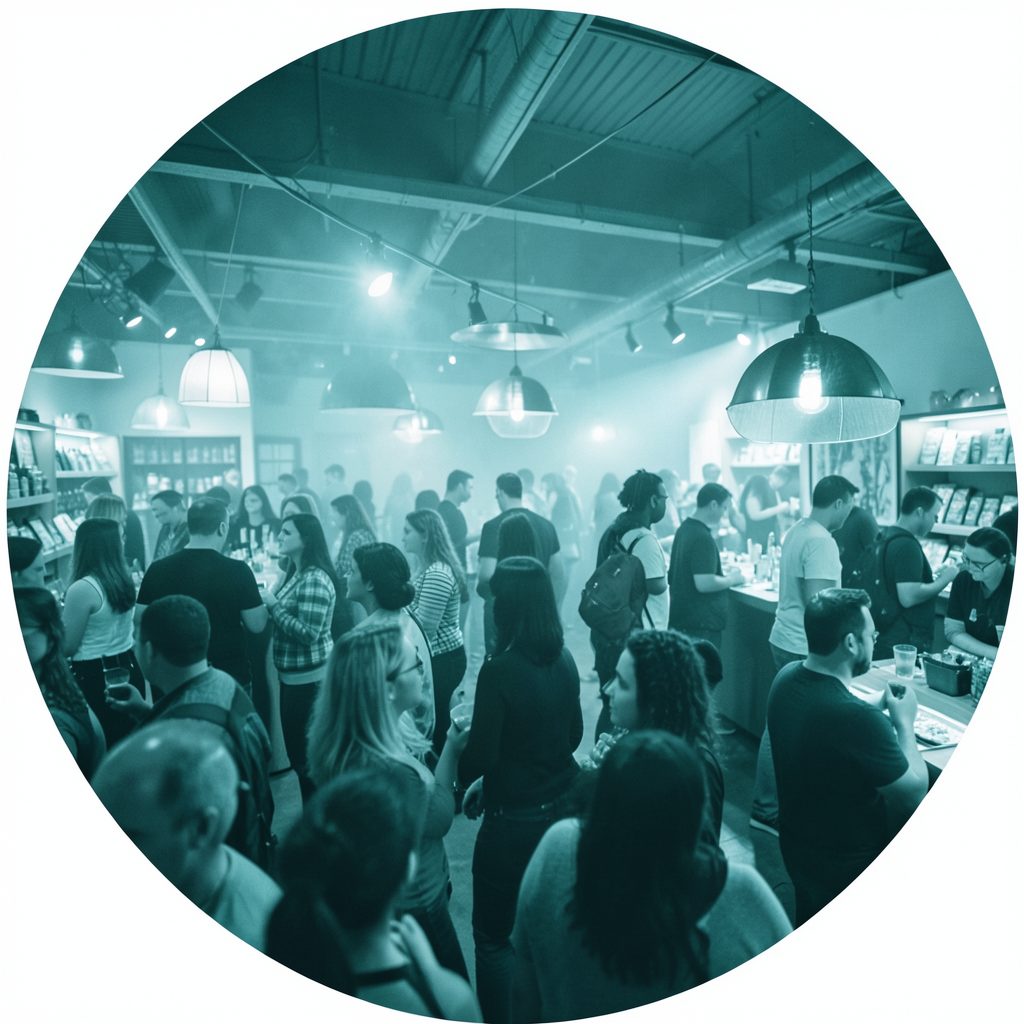
GUESS and Marciano stores hosted memorable events across the US and Canada. The Chasing the Sun Events on June 9, 2018 featured live DJs, in-store treats, and a Ping Pong Paddle Set for GUESS List members with a $125+ purchase. Marciano Summer Store Events offered VIP treatment, sweets by Sugarfina, sparkling sips, triple points, and a custom embroidered straw beach hat with a $200+ purchase.

#DenimDay Europe
GUESS?, Inc. joined Fundación Ana Bella and Peace Over Violence in Barcelona to kick off #DenimDay Europe. Paul Marciano, Co-founder and Creative Director of GUESS?, Inc., delivered a keynote speech. Elsa Pataky served as the official #DenimDay Spain Ambassador, with fashion blogger Honey Dressing also in attendance. DenimDay was observed on May 27, 2016 in Europe and April 27, 2016 in North America.
Get in Touch
Questions about past events, campaigns, or the GUESS Journal? Reach out and we'll get back to you.