 Campaigns & Style
 In-Store Events
 Sweepstakes & Perks
Where GUESS Style Comes to Life
The lifestyle blog and event hub for GUESS and Marciano — featuring campaign launches, in-store celebrations, sweepstakes, and style editorials from the world of GUESS.
"Because some things never go out of style." — Celebrating the GUESS + Marciano Spring '18 Campaign
The design process behind GUESS selvedge denim
Behind the design process of the brand’s selvedge denim sits a sequence of considered choices, from cotton fibre to the final worn-in wash. The distinctive seam is only the most visible part of the story. Its strength comes from how the yarn is spun, how the twill is aligned, how indigo settles into the fibres and how the pattern is cut to follow the body.
Selvedge denim is woven on a narrow shuttle loom that turns the fabric around as it moves, creating a closed, self-finished edge. That edge can resist fraying and develop a distinctive fade, but selvedge construction does not automatically guarantee quality, character or longevity. Those qualities also depend on fibre selection, fabric weight, dye application and finishing.
For GUESS and Marciano, the interest lies in translating this traditional construction into contemporary silhouettes. The aim is to preserve the individuality of selvedge while making it relevant to wardrobes shaped by climate, culture and the way people actually dress.
What the closed edge actually means
The word “selvedge” describes how a fabric is finished at its edge, rather than a particular colour or silhouette. A shuttle loom carries a small spool of yarn across the width of the loom. As the shuttle returns, it creates a dense edge that is already woven into the cloth. A cut-and-overlocked edge cannot do quite the same thing.
This construction is closely associated with traditional denim, but modern production does not always follow the old rules. Some selvedge is made on conventional shuttle looms, while other denim uses different methods to create a similar visual effect. The coloured line sometimes associated with the seam identifies the loom maker, not the quality level of the garment.
Designers value selvedge because it gives casual denim a visible point of craft. The seam can remain neat while the surrounding fabric fades, creating subtle evidence of wear. In a pair of jeans, that gradual contrast becomes part of the individual story.
Selecting fibres, yarns and indigo
Fibre choice starts the process. Long-staple cotton produces a smoother, stronger yarn that can withstand repeated wear while allowing the fabric to soften gradually. Conventional shorter fibres may create a more textured surface, which can suit a deliberately relaxed style but may also feel less refined in a finer garment.
Yarn construction then determines the denim’s character. Ring-spun yarn tends to create a smooth face, while open-end yarn can give a coarser, more irregular appearance. Slub yarns introduce intentional variations in thickness, adding texture without relying entirely on washing to create interest. Fabric weight is chosen according to how the jeans are expected to be worn.
Colour also depends on the yarn rather than only the finished garment. A rope-dyed indigo yarn receives repeated dye dips before weaving. The exposed areas of the yarn remain lighter, allowing creases, seams and whiskers to emerge as the wearer moves. For seasonal direction, our spring style recap shows how washes and silhouettes shift alongside warmer-weather dressing.
Weaving structure into the seam
On a narrow loom, tension must remain consistent across the moving fabric. Variations can affect the width, drape and stability of the denim, making careful setup essential. The shuttle’s repeated passage forms the characteristic dense edge, while the twill weave determines how the surface will crease and abrade over time.
Pattern cutting must respect that structure. Designers position the selvedge seam along the outer leg, where it can be both visible and practical. Leg openings, rises and waistbands are adjusted so the seam follows the intended line rather than appearing artificially straight or uneven.
| Feature | Conventional denim | Selvedge denim |
|---|---|---|
| Edge construction | Cut edge, often overlocked or singed | Dense edge woven directly into the cloth |
| Common loom | Wide or high-speed loom | Narrow shuttle-style loom |
| Initial character | Often softened and prewashed | May begin raw, one-wash or lightly washed |
| Fading pattern | Depends on wash and fabric weight | Often emphasises seams, folds and high-wear areas |
| Design appeal | Clean, consistent and versatile | Visible construction with individual wear patterns |
Dyeing, washing and character
Indigo behaves differently from many other dyes. Repeated immersion builds colour gradually, leaving areas of the yarn less saturated. When those fibres rub against one another, the surface blue can lift before the deeper indigo underneath is exposed, producing the dimensional fades associated with denim.
A raw or one-wash pair begins with a firmer hand and a deeper apparent shade. Prewashed denim receives a gentler initial finish, while stonewashing, enzyme treatments, hand sanding and other techniques can create controlled whiskers, worn patches or softened colour. The distinction between a wash and a distressing effect is important: one shapes the overall surface, while the other imitates the marks of long wear.
Finishing also includes seam construction, hardware, trims and quality checks. Teams inspect shade consistency, stitch density, edge alignment and shrinkage. These details determine whether a distinctive seam remains a deliberate design feature or simply looks like an unfinished edge.
Designing for Australian days
Australian conditions add another layer to the design conversation. Sydney’s coastal humidity calls for cotton with breathability and room to move, while lighter washes can feel more practical in strong sun. Brisbane’s warmer climate similarly makes relaxed cuts, breathable weights and less rigid washes easy to reach for across the year.
Melbourne’s changeable weather encourages a different approach. Denim that works under layers in the morning may still need to feel comfortable when jackets come off by lunchtime. That is why versatile indigo, adaptable rises and silhouettes that sit comfortably beneath knitwear or outerwear remain important in the local market.
Australia also has a strong denim and workwear history, alongside established local labels that have shaped what customers expect from the category. GUESS and Marciano draw on that culture while bringing their own Hollywood glamour and European fashion sensibility. For events, our event dressing guide offers useful context for choosing denim that looks polished without feeling overdone.
The details that carry the brand
The GUESS and Marciano approach begins with familiar wardrobe codes: straight-leg denim, slim silhouettes, relaxed fits, low and mid rises, and carefully graded washes. Giving these familiar forms a selvedge seam creates a tension between heritage and modernity, making the construction visible without requiring a dramatic design.
Fittings require close attention. A narrow leg needs enough room through the thigh and knee to remain comfortable, while a wider cut still benefits from a controlled waist and a clean line at the hem. Rise and proportion also influence how the selvedge travels and where the strongest fades will appear.
Small branding details complete the garment. Hardware, rivets, pocket stitching, leather patches and labels should work with the denim rather than compete against it. The best examples feel coherent from the front, where the silhouette leads, to the side, where the seam provides texture and identity.
Wear the story forward
Raw and lightly washed denim reward a measured approach to care. New pairs can be worn before washing, then refreshed with a cold, gentle cycle or spot-cleaned as needed. Turning jeans inside out protects the surface, and air-drying reduces the stress placed on fibres and trims. Local tailors and repair services can also extend the life of a favourite pair by replacing hardware or refining a hem.
Every crease changes the fabric, making the wearer part of the design process. A repaired pocket, softened knee or faded hip creates a record that no two pairs of selvedge denim will share. Washing can accelerate that story, but wearing them consistently is what makes it personal.
See the latest GUESS and Marciano denim in store, and follow GUESS Journal for new campaign stories, styling features and brand experiences. Choose the fit and wash that suit your city, make the piece your own, and wear its construction story with confidence.
Campaigns
From the GUESS Summer 2017 campaign to the Jennifer Lopez x GUESS + Marciano Spring '18 collection, GUESS Journal showcased seasonal advertising and celebrity collaborations. Charlotte McKinney, a #GUESSGirl, shared her spring shopping list — every piece under $100 — as seen on E! News. The Marciano Pre-Fall 2017 collection brought runway-inspired trends to stores with a three-day fashion event.
In-Store Events
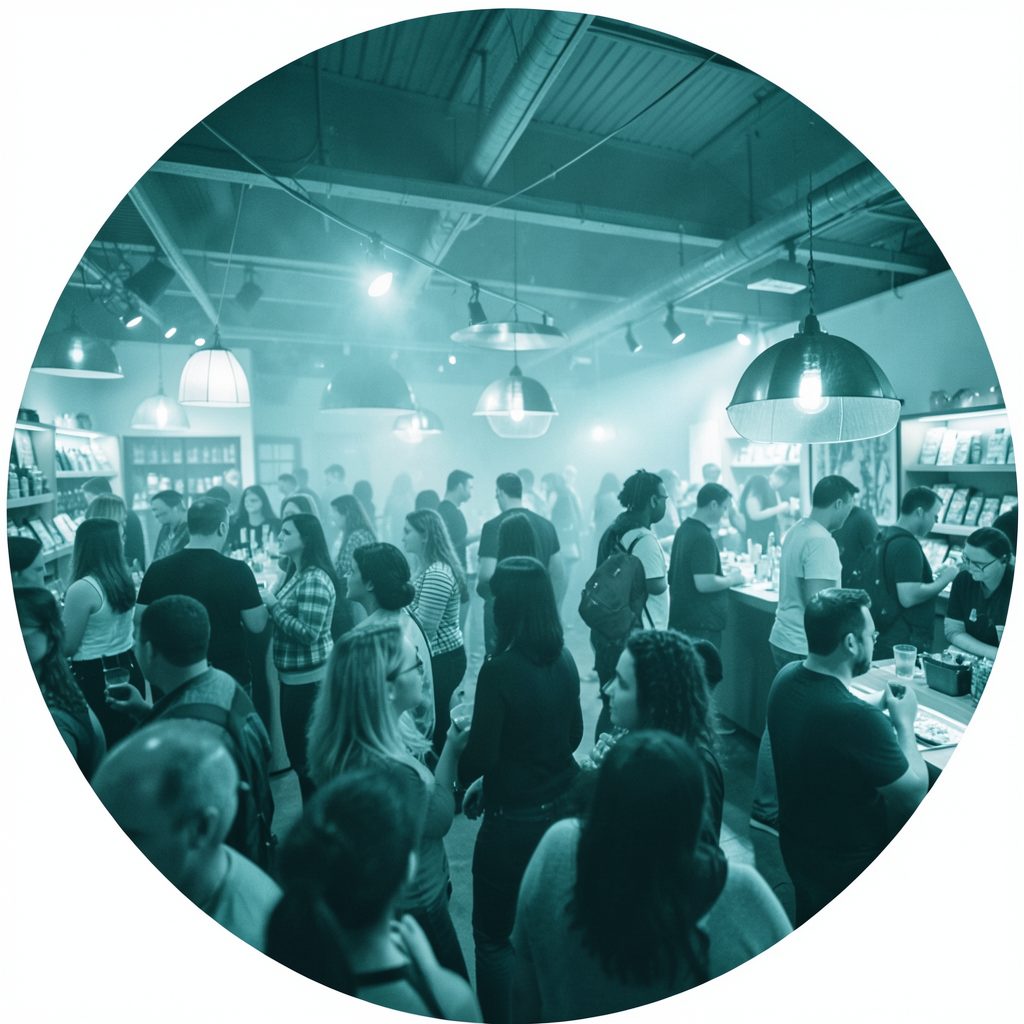
GUESS and Marciano stores hosted memorable events across the US and Canada. The Chasing the Sun Events on June 9, 2018 featured live DJs, in-store treats, and a Ping Pong Paddle Set for GUESS List members with a $125+ purchase. Marciano Summer Store Events offered VIP treatment, sweets by Sugarfina, sparkling sips, triple points, and a custom embroidered straw beach hat with a $200+ purchase.

#DenimDay Europe
GUESS?, Inc. joined Fundación Ana Bella and Peace Over Violence in Barcelona to kick off #DenimDay Europe. Paul Marciano, Co-founder and Creative Director of GUESS?, Inc., delivered a keynote speech. Elsa Pataky served as the official #DenimDay Spain Ambassador, with fashion blogger Honey Dressing also in attendance. DenimDay was observed on May 27, 2016 in Europe and April 27, 2016 in North America.
Get in Touch
Questions about past events, campaigns, or the GUESS Journal? Reach out and we'll get back to you.