 Campaigns & Style
 In-Store Events
 Sweepstakes & Perks
Where GUESS Style Comes to Life
The lifestyle blog and event hub for GUESS and Marciano — featuring campaign launches, in-store celebrations, sweepstakes, and style editorials from the world of GUESS.
"Because some things never go out of style." — Celebrating the GUESS + Marciano Spring '18 Campaign
A Look at the Most Iconic Denim Moments in Pop Culture History
Denim has always been more than a practical fabric. It carries memories of music videos, movie screens, magazine covers, concert stages, and street-style snapshots. A pair of jeans can suggest rebellion, romance, glamour, youth, or effortless confidence before a single word is spoken.
Across decades, denim has moved between workwear and high fashion without losing its everyday appeal. Its ability to adapt has made it one of the most enduring materials in popular culture, shaped as much by celebrities and designers as by the people wearing it in daily life.
For fashion stories, campaign news, and the cultural details behind style, GUESS Journal offers a closer look at the world surrounding modern denim. The moments below show how blue jeans and denim separates became visual shorthand for changing attitudes, identities, and ideas of cool.
From Workwear To Silver Screen Style
Early denim was associated with durability and manual labor, but Hollywood helped transform it into a symbol of independence. In the 1950s, actors such as James Dean and Marlon Brando wore jeans with plain T-shirts, leather jackets, and boots, creating a uniform that felt direct and unpolished. Their screen personas gave denim a rebellious edge that young audiences could adopt immediately.
Marilyn Monroe offered a different interpretation. In films and publicity images, denim appeared relaxed yet unmistakably glamorous, proving that jeans did not have to sacrifice sensuality or sophistication. This contrast became central to the fabric’s appeal: denim could look rugged, polished, playful, or provocative depending on the styling and the person wearing it.
The cultural power of those images reached well beyond the cinema. Cuffed jeans, fitted denim jackets, and Western-inspired shirts became recognizable wardrobe signatures. What once served a practical purpose began to communicate character.
The Designer Jean Takes The Spotlight
By the late 1970s and early 1980s, denim had entered a new phase. Designers and fashion labels began treating jeans as carefully engineered garments, with attention paid to fit, washes, stitching, hardware, and advertising. The designer jean became a status symbol while still retaining the familiarity of an everyday staple.
The Calvin Klein campaigns of the early 1980s captured this shift with provocative, minimalist imagery and a focus on youthful attitude. Brooke Shields became closely associated with the brand’s memorable denim advertising, helping establish the idea that jeans could be the centerpiece of a fashion image rather than a supporting item.
GUESS also played an important role in defining aspirational denim advertising during the period. Its campaigns paired dramatic photography with body-conscious silhouettes, bold washes, and a distinctly European-inflected sense of glamour. The result was denim presented as an experience: confident, cinematic, and designed to be noticed.
Music Videos And The Rise Of Denim Drama
Music television made clothing more influential than ever. Artists could turn a denim jacket, miniskirt, or pair of high-waisted jeans into part of a complete visual identity, repeated across videos, performances, and album-era imagery. Denim became especially powerful because it moved naturally between casual streetwear and stage styling.
Madonna’s fashion in the 1980s helped popularize layered denim, lace, jewelry, and deliberately mixed references. Her styling suggested that jeans could be customized and reinterpreted rather than worn according to a single rule. In the 1990s, hip-hop artists expanded the conversation with oversized denim, coordinated sets, carpenter details, and distressed finishes that reflected the scale and attitude of the era.
At the same time, country music and pop continued to draw on denim’s Western associations. Rhinestone details, boot-cut jeans, embroidered jackets, and denim shirts turned familiar pieces into performance clothing. The fabric became a visual bridge between authenticity and spectacle.
| Pop culture era | Signature denim look | Cultural meaning |
|---|---|---|
| 1950s cinema | Straight-leg jeans, white T-shirts, leather jackets | Youthful rebellion and independence |
| 1970s glamour | Fitted jeans, denim shirts, embellished details | Casual sensuality and star appeal |
| Early 1980s advertising | High-waisted designer jeans and sculpted silhouettes | Fashion status and aspirational style |
| 1980s music television | Layered denim, vests, skirts, and customized pieces | Self-expression and visual reinvention |
| 1990s streetwear | Oversized jeans, denim sets, and distressed finishes | Urban influence and relaxed confidence |
| Early 2000s pop culture | Coordinated denim outfits and low-rise styles | Celebrity visibility and playful excess |
| Current fashion | Wide-leg jeans, vintage washes, utility details | Individuality, versatility, and renewed craft |
The Red Carpet Goes Casual
One of denim’s most memorable developments came when celebrities began wearing it in spaces traditionally reserved for formalwear. Red carpet appearances, award shows, and premieres increasingly allowed for denim-inspired tailoring, embellished jeans, and unexpected combinations of casual and luxurious pieces.
The early 2000s made coordinated denim especially visible. Matching denim outfits, low-rise silhouettes, and heavily treated washes appeared in celebrity wardrobes and entertainment media. Some looks became famous because they were deliberately extravagant, while others gained attention for capturing the unguarded, playful quality of celebrity style at the time.
That era also demonstrated how quickly a denim moment can become a cultural reference. A single appearance can inspire headlines, imitation, nostalgia, and later reinterpretation. Even when trends fade, the image remains available for designers and stylists to revisit.
Denim As A Language Of Identity
The most enduring denim moments are memorable because the clothing says something about the wearer. A worn-in jacket can suggest personal history. A sharp dark wash can communicate polish. A customized pair of jeans can signal creativity, while oversized denim can reflect a preference for comfort and movement.
This flexibility has made denim central to conversations about gender, age, class, and belonging. Musicians, actors, athletes, designers, and street-style communities have all used it differently. Denim can be uniform or individualistic, familiar or experimental, depending on the cut, finish, and styling choices surrounding it.
Denim also thrives through repetition. A pair of jeans may become more meaningful with wear, developing fading and texture that record everyday life. That quality distinguishes it from clothing intended to remain pristine. The fabric is often valued for the story it gathers, not just the way it looks when new.
What Makes A Denim Moment Last
A memorable fashion image usually combines strong styling with a clear sense of timing. The most influential denim looks emerged when a recognizable garment met a changing cultural mood. James Dean’s jeans reflected postwar youth culture; designer denim expressed the rise of branded fashion; music-video styling celebrated performance and reinvention.
Proportion matters, too. A classic jean can feel fresh when paired with an unexpected jacket, shoe, or accessory. In recent seasons, wide-leg cuts, cargo references, maxi denim skirts, patchwork, and archival washes have brought new energy to familiar shapes. The appeal comes from balancing recognition with a personal point of view.
Events can give those ideas a shared setting. Denim-focused celebrations such as Denim Day Europe show how a material with deep fashion history can become part of a live brand experience, connecting styling, community, and retail in a way that a photograph alone cannot.
Ways To Give Classic Denim A Personal Point Of View
The best modern denim styling does not require recreating a famous celebrity look exactly. Instead, iconic references can serve as starting points. A 1950s-inspired straight jean may feel current with a refined knit and contemporary footwear, while a 1990s oversized jacket can be balanced with a streamlined dress or tailored trousers.
Small decisions often create the strongest result. Cuffing the hem changes the proportion of a pair of jeans. A belt introduces structure. Layering different washes creates contrast, while matching denim pieces can produce a deliberately graphic effect. Accessories help determine whether the finished look feels casual, polished, retro, or dramatic.
Useful styling principles include:
- Choose the silhouette first, then build the outfit around its proportions.
- Mix denim weights and washes to create depth instead of visual uniformity.
- Pair relaxed jeans with a refined top or structured jacket for balance.
- Use shoes and accessories to establish the decade or mood you want to reference.
- Let natural wear, tailoring, and personal details make the look feel individual.
Denim also offers a practical way to experiment with trends. A new cut can be introduced through one pair of jeans, while a vintage-inspired finish can add character without requiring a complete wardrobe change. This makes the fabric a reliable foundation for both seasonal styling and long-term personal expression.
The Future Of An Enduring Fabric
Denim’s future is being shaped by the same qualities that made it iconic: adaptability, familiarity, and emotional connection. Designers continue to reinterpret the material through new proportions, surface treatments, recycled fibers, and construction techniques. At the same time, customers remain drawn to pieces that can be worn repeatedly and styled across different settings.
The conversation around responsible fashion has added another layer to denim’s story. Durability, repair, resale, and thoughtful washing practices are increasingly important considerations. A well-made pair of jeans can remain in rotation for years, gathering the kind of character that cannot be manufactured instantly.
For more on the people, events, and stories behind the brands, the GUESS Journal About page provides context for the publication’s fashion and lifestyle coverage. The history of denim continues to grow because each generation finds a new way to make the material its own.
From movie icons and music legends to street-style innovators and everyday dressers, denim has remained a canvas for confidence. Explore the latest denim stories, revisit the looks that shaped pop culture, and bring a little of that enduring attitude into your own wardrobe.
Campaigns
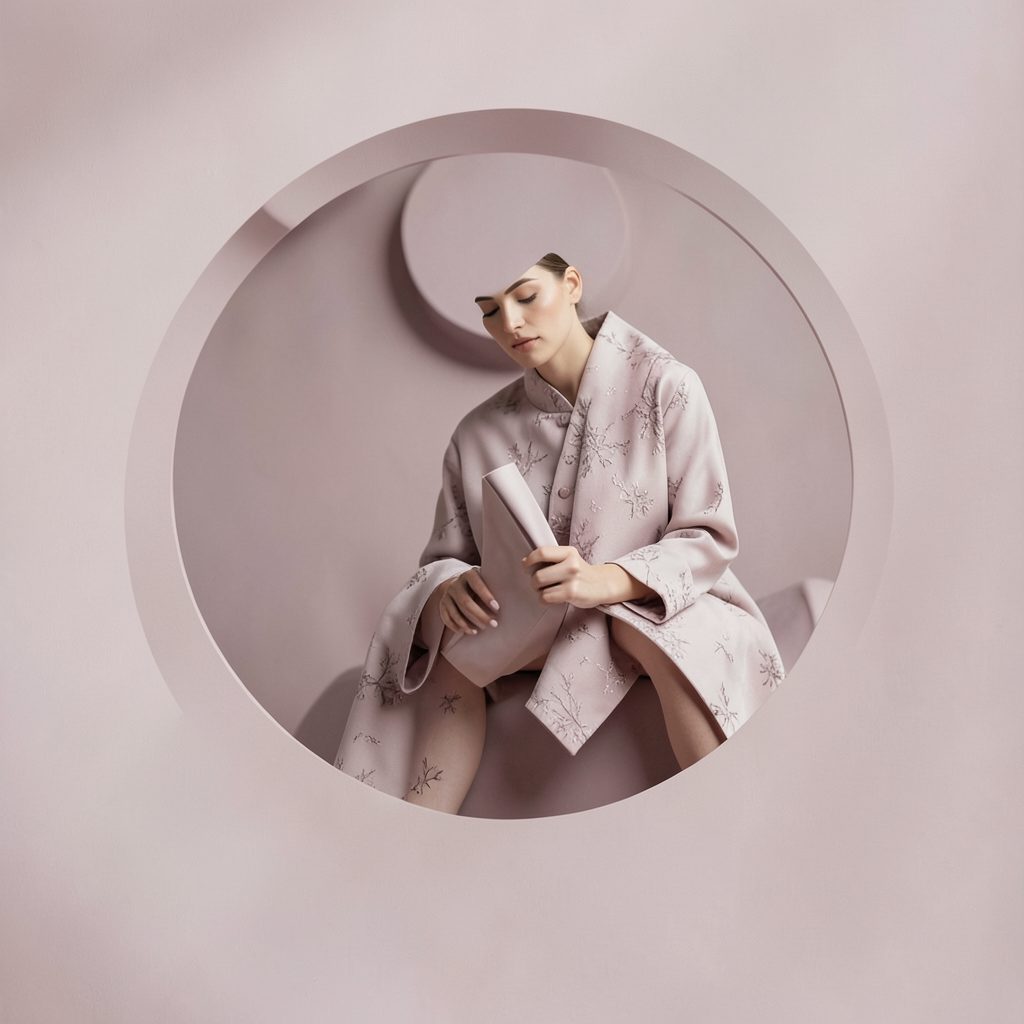
From the GUESS Summer 2017 campaign to the Jennifer Lopez x GUESS + Marciano Spring '18 collection, GUESS Journal showcased seasonal advertising and celebrity collaborations. Charlotte McKinney, a #GUESSGirl, shared her spring shopping list — every piece under $100 — as seen on E! News. The Marciano Pre-Fall 2017 collection brought runway-inspired trends to stores with a three-day fashion event.
In-Store Events
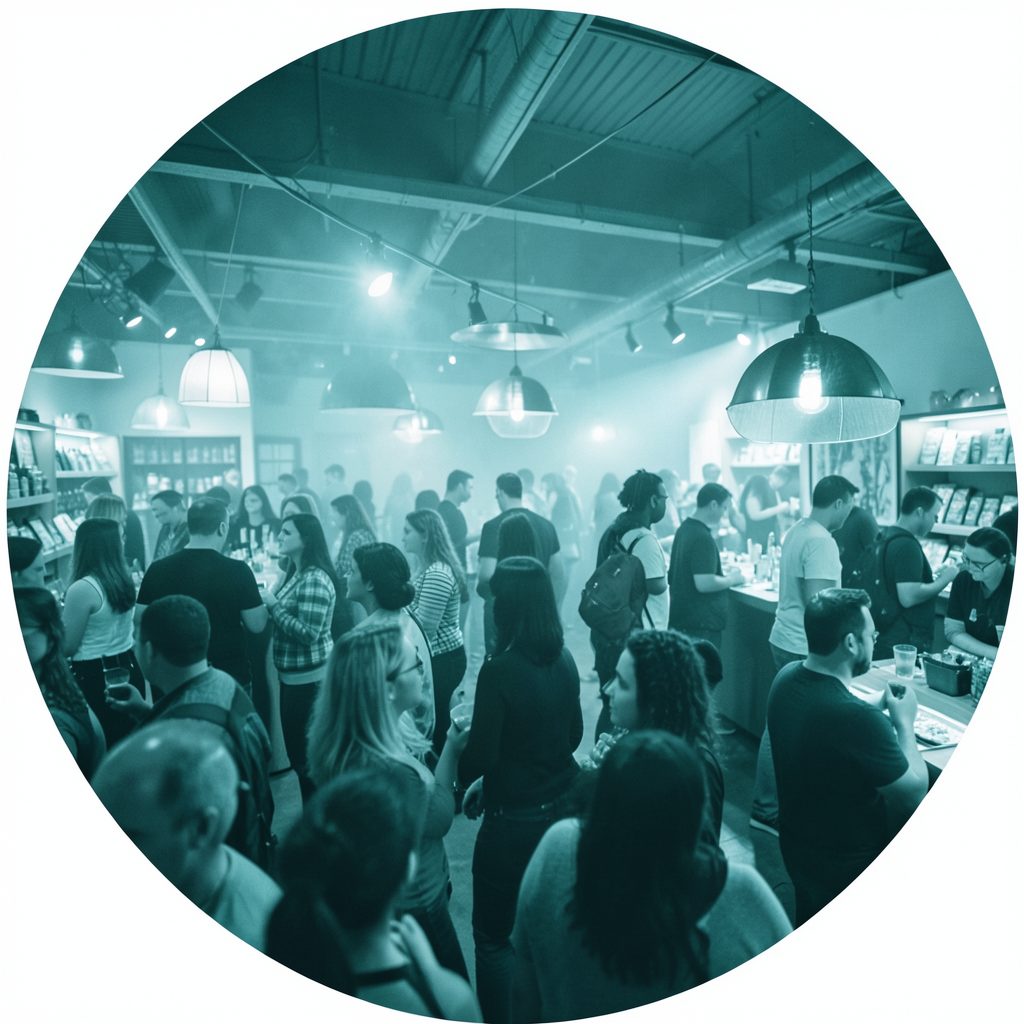
GUESS and Marciano stores hosted memorable events across the US and Canada. The Chasing the Sun Events on June 9, 2018 featured live DJs, in-store treats, and a Ping Pong Paddle Set for GUESS List members with a $125+ purchase. Marciano Summer Store Events offered VIP treatment, sweets by Sugarfina, sparkling sips, triple points, and a custom embroidered straw beach hat with a $200+ purchase.

#DenimDay Europe
GUESS?, Inc. joined Fundación Ana Bella and Peace Over Violence in Barcelona to kick off #DenimDay Europe. Paul Marciano, Co-founder and Creative Director of GUESS?, Inc., delivered a keynote speech. Elsa Pataky served as the official #DenimDay Spain Ambassador, with fashion blogger Honey Dressing also in attendance. DenimDay was observed on May 27, 2016 in Europe and April 27, 2016 in North America.
Get in Touch
Questions about past events, campaigns, or the GUESS Journal? Reach out and we'll get back to you.