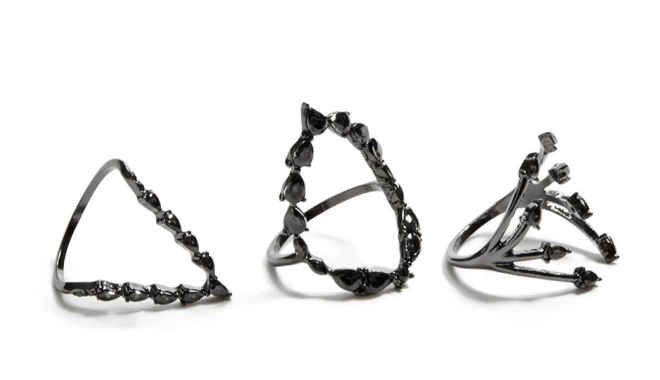
 Campaigns & Style
 In-Store Events
 Sweepstakes & Perks
Where GUESS Style Comes to Life
The lifestyle blog and event hub for GUESS and Marciano — featuring campaign launches, in-store celebrations, sweepstakes, and style editorials from the world of GUESS.
"Because some things never go out of style." — Celebrating the GUESS + Marciano Spring '18 Campaign
A More Conscious Chapter For Iconic Denim
Denim has always carried a distinctive tension: it is durable, expressive, and easy to wear, yet its production can require significant water, energy, chemicals, and raw materials. As shoppers look more closely at how clothing is made, the classic jean is being reexamined through a more responsible lens.
A Look at the Brand's New Eco-Conscious Denim Line and Its Impact reflects a broader shift in fashion. GUESS is exploring ways to preserve the fit, attitude, and visual appeal associated with its denim while addressing the environmental cost of manufacturing. The result is a conversation about materials, finishing techniques, longevity, and the everyday decisions that shape a garment’s footprint.
For GUESS and Marciano, denim is especially meaningful because it sits at the center of the brands’ visual language. Jeans appear in campaign imagery, seasonal styling, retail displays, and personal wardrobes across generations. Making that category more considered can influence how customers understand responsible fashion without asking them to abandon personal style.
Why Denim Needs A New Standard
A pair of jeans passes through several stages before reaching a wardrobe. Cotton must be grown and spun, yarn becomes fabric, fabric is cut and sewn, and the finished garment may be washed, dyed, softened, distressed, or treated to achieve a specific look. Each stage can affect resource use and the product’s overall impact.
Traditional denim finishing is particularly important because the appearance of a jean often depends on intensive processing. Faded thighs, whiskering, softness, and varied shades are created through a combination of washing and mechanical techniques. A more eco-conscious approach considers how to achieve that familiar character with less water, fewer harsh inputs, and more efficient production methods.
The change also reflects a shift in consumer expectations. Shoppers increasingly want design details and brand storytelling to be supported by meaningful information. A responsible denim line must therefore communicate more than a sustainability claim. It should give customers a clearer understanding of fibers, manufacturing choices, care instructions, and the expected life of each piece.
What Gives The Collection Its Eco-Conscious Direction
Eco-conscious denim can begin with the fiber. Recycled cotton gives existing textile material another use, while responsibly sourced cotton aims to improve how the raw material is grown and managed. Recycled synthetic fibers may also appear in selected components, such as stretch yarns or trims, though their suitability depends on the design and performance requirements of each garment.
Water and energy reduction are equally significant. Alternative washing systems, more efficient machinery, laser finishing, and ozone treatments can help create faded or worn-in effects while reducing reliance on conventional wet processes. These methods do not make every garment impact-free, but they can support a lower-resource approach when applied carefully and measured throughout production.
The strongest programs combine several improvements rather than relying on one material as a complete solution. A jean made with a preferred fiber still benefits from efficient dyeing, durable construction, transparent sourcing, and responsible packaging. This wider perspective helps distinguish a thoughtfully designed product from a garment that uses environmental language without explaining its meaning.
GUESS’s wider brand storytelling provides useful context for how design and responsibility can coexist. Readers can explore the latest campaign stories to see how denim remains connected to confidence, movement, and visual identity while the materials and processes behind it evolve.
Style That Keeps Its Character
A lower-impact approach does not require denim to look plain or overly minimal. The appeal of jeans often comes from proportion and finish: a sculpted skinny silhouette, a relaxed straight leg, a wide-leg shape, a dark rinse, or a carefully placed vintage fade. Those recognizable elements can remain central while production methods become more considered.
Fit is also part of sustainability. A jean that feels comfortable and flattering is more likely to be worn frequently and kept for longer. This makes design quality an environmental consideration in its own right. Good pattern cutting, stable fabric, secure seams, and dependable hardware all help a garment withstand repeated wear.
Styling can extend that value by giving one pair several identities. A dark eco-conscious jean can move from a polished daytime look to an evening outfit with a change of footwear and outerwear. A relaxed pair can balance a fitted jacket, while a high-rise silhouette can be worn with a tucked-in shirt or a cropped knit.
Small styling choices can change the proportion of an outfit without requiring new purchases. The French tuck guide offers one example of how a simple adjustment can define the waist and add shape to denim-based looks. This kind of versatility makes a well-designed pair more useful across seasons and occasions.
Measuring The Impact Across The Denim Lifecycle
The environmental story of a jean is best understood across its full lifecycle rather than through a single feature. Fiber selection matters, yet so do finishing methods, production energy, transportation, wear frequency, washing habits, and what happens when the garment is no longer wanted.
| Lifecycle stage | Conventional concern | More considered direction | Why it matters |
|---|---|---|---|
| Fiber sourcing | Dependence on resource-intensive raw materials | Recycled or responsibly sourced fibers where appropriate | Can reduce pressure on virgin resources |
| Fabric production | High energy demand and chemical inputs | More efficient spinning, dyeing, and material processes | May lower manufacturing intensity |
| Denim finishing | Water-heavy washes and repeated treatments | Laser, ozone, mechanical, or reduced-water techniques | Helps create signature effects with fewer resources |
| Garment use | Frequent hot washing and premature replacement | Cold washing, air drying, repair, and extended wear | Keeps the product useful for longer |
| End of use | Clothing sent to landfill or left unused | Resale, donation, repair, recycling, or repurposing | Supports a more circular wardrobe |
This view also places responsibility in the hands of the wearer without shifting the entire burden to the customer. Brands influence materials and factory practices, while customers influence longevity through purchasing, care, and reuse. The most effective progress comes when both sides have practical information and realistic choices.
How To Read A More Responsible Denim Label
A thoughtful shopper can begin by looking beyond broad words such as “green,” “clean,” or “sustainable.” Product details are more useful when they identify the fiber composition and explain what has changed in the manufacturing process. Terms such as recycled cotton, recycled polyester, reduced-water finishing, or certified materials should be supported by specific information wherever possible.
Stretch denim deserves particular attention. Elastane helps jeans retain their shape and can improve comfort, but blended fabrics may be more difficult to recycle than a predominantly cotton garment. That does not make stretch denim automatically unsuitable; it means the product’s performance, fit, and expected lifespan should be considered together.
Care information is another important signal. Washing denim less frequently, using cold water, selecting a gentle cycle, and air drying can help preserve color and reduce energy use. When washing is necessary, turning jeans inside out and avoiding excessive heat may also protect the finish and reduce fading caused by laundering.
Durability should remain part of the assessment. A responsibly made pair that loses its shape quickly may have a shorter useful life than a well-constructed garment worn for years. Look at seam quality, pocket reinforcement, zipper or button security, fabric recovery, and whether the silhouette suits the way the wearer actually dresses.
Practical Ways To Build A Lower-Impact Denim Wardrobe
A more conscious denim collection does not need to be large. A few well-chosen silhouettes can cover workdays, weekends, travel, and occasions that call for a sharper appearance. The goal is to create a wardrobe in which each pair has a clear role and is worn often enough to justify its place.
Before buying, consider the outfits already in rotation. A versatile rinse may work with tailored blazers, lightweight shirts, and evening tops, while a relaxed vintage wash may serve casual looks more effectively. Choosing a shape that complements existing clothing reduces the pressure to purchase additional pieces to make one pair work.
These habits can help shoppers get more value from eco-conscious denim:
- Choose a fit and rise that feel comfortable through a full day, not only in a fitting room.
- Wear jeans several times between washes when practical, and follow the care label closely.
- Air dry denim instead of using high heat, which can weaken fibers and affect shape.
- Repair loose hems, small tears, or weakened belt loops before damage spreads.
- Pass unwanted pairs to resale, donation, textile recovery, or creative reuse channels.
Care also protects the visual language that makes denim distinctive. Overwashing can flatten contrast, weaken fabric, and alter the intended fit. Gentle maintenance allows the original design, wash, and construction to remain visible for longer, which supports both personal style and product longevity.
A Brand Story That Extends Beyond The Garment
The impact of a new denim line is measured through more than sales. It can influence the way customers talk about clothing, the questions they ask in stores, and the standards they apply to future purchases. When a familiar fashion category begins addressing resource use and durability, responsible design becomes part of everyday style rather than a separate niche.
Retail and editorial storytelling can make those details easier to understand. In-store displays, campaign imagery, product descriptions, and brand journalism all have a role in showing how a jean moves from concept to finished garment. Clear language is especially valuable because it allows customers to distinguish between a material improvement, a production improvement, and a longer-term goal.
The GUESS Journal platform gives that conversation a natural home alongside fashion editorials, event news, and brand experiences. Readers looking for continuing style stories and updates can visit the GUESS Journal to follow how the brand connects design, culture, and customer engagement.
An eco-conscious denim line also invites a broader definition of impact. It may reduce resource use during production, encourage more intentional purchasing, and make durability part of the style conversation. Its success ultimately depends on how consistently these principles are applied and how meaningfully they fit into real wardrobes.
Explore the new denim direction through the details that matter most: the hand feel, the fit, the finish, the fiber information, and the care guidance. Then choose the pair that earns regular wear, style it in fresh ways, and give it the long life that thoughtful design is meant to support.
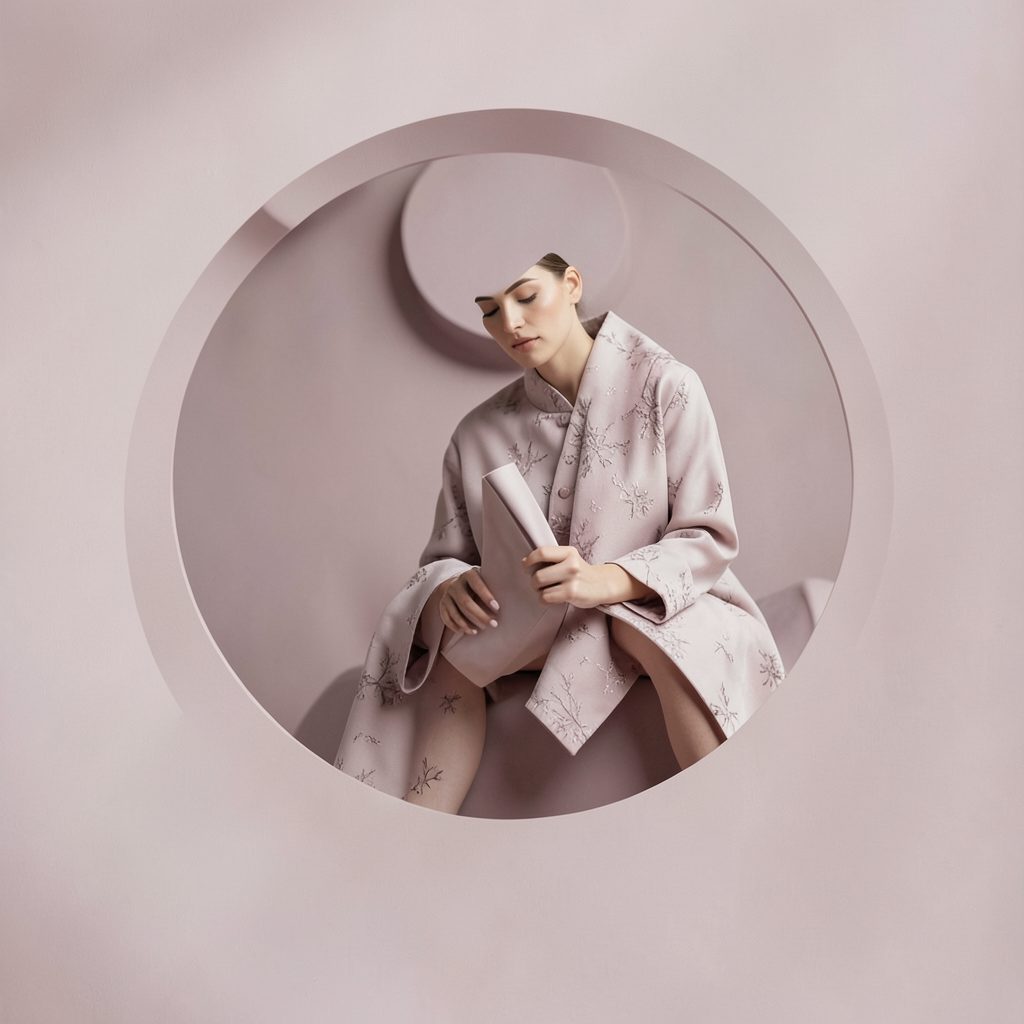
Campaigns
From the GUESS Summer 2017 campaign to the Jennifer Lopez x GUESS + Marciano Spring '18 collection, GUESS Journal showcased seasonal advertising and celebrity collaborations. Charlotte McKinney, a #GUESSGirl, shared her spring shopping list — every piece under $100 — as seen on E! News. The Marciano Pre-Fall 2017 collection brought runway-inspired trends to stores with a three-day fashion event.
In-Store Events
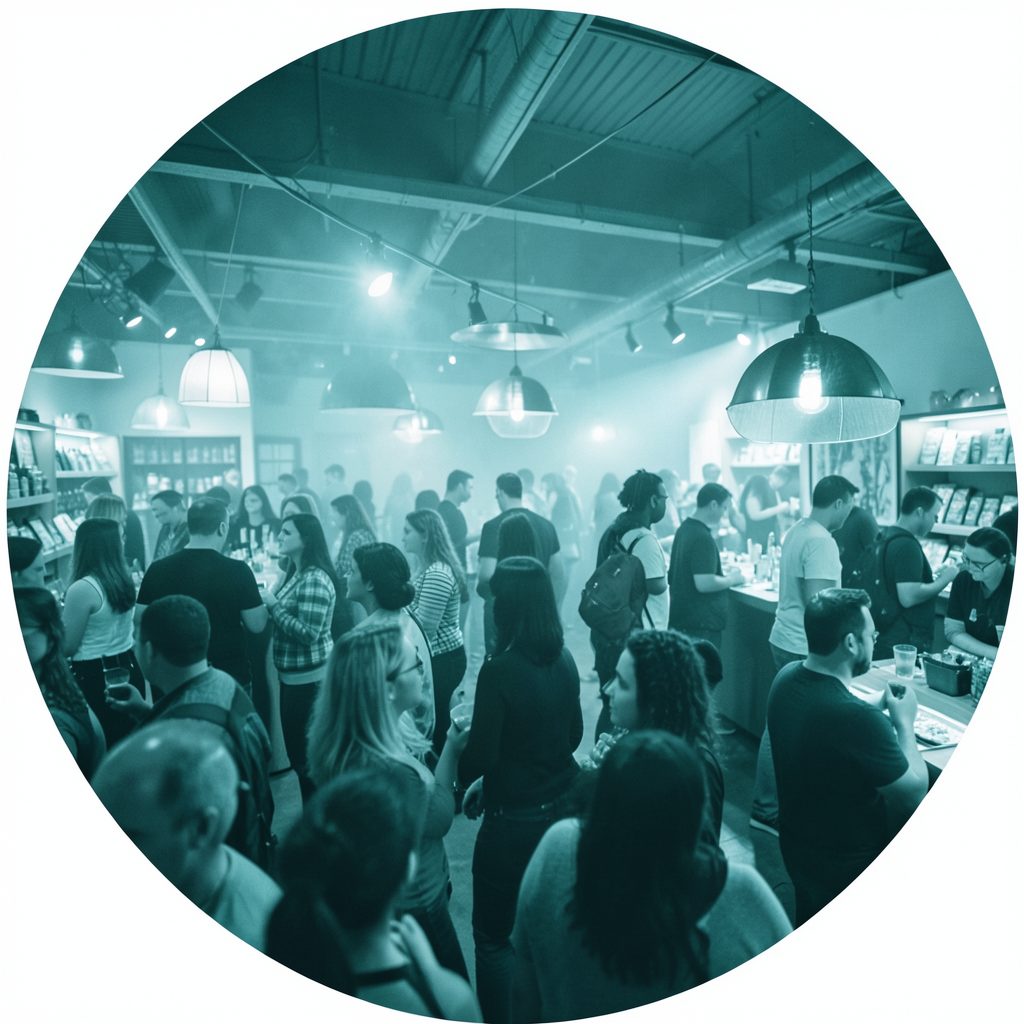
GUESS and Marciano stores hosted memorable events across the US and Canada. The Chasing the Sun Events on June 9, 2018 featured live DJs, in-store treats, and a Ping Pong Paddle Set for GUESS List members with a $125+ purchase. Marciano Summer Store Events offered VIP treatment, sweets by Sugarfina, sparkling sips, triple points, and a custom embroidered straw beach hat with a $200+ purchase.

#DenimDay Europe
GUESS?, Inc. joined Fundación Ana Bella and Peace Over Violence in Barcelona to kick off #DenimDay Europe. Paul Marciano, Co-founder and Creative Director of GUESS?, Inc., delivered a keynote speech. Elsa Pataky served as the official #DenimDay Spain Ambassador, with fashion blogger Honey Dressing also in attendance. DenimDay was observed on May 27, 2016 in Europe and April 27, 2016 in North America.
Get in Touch
Questions about past events, campaigns, or the GUESS Journal? Reach out and we'll get back to you.